

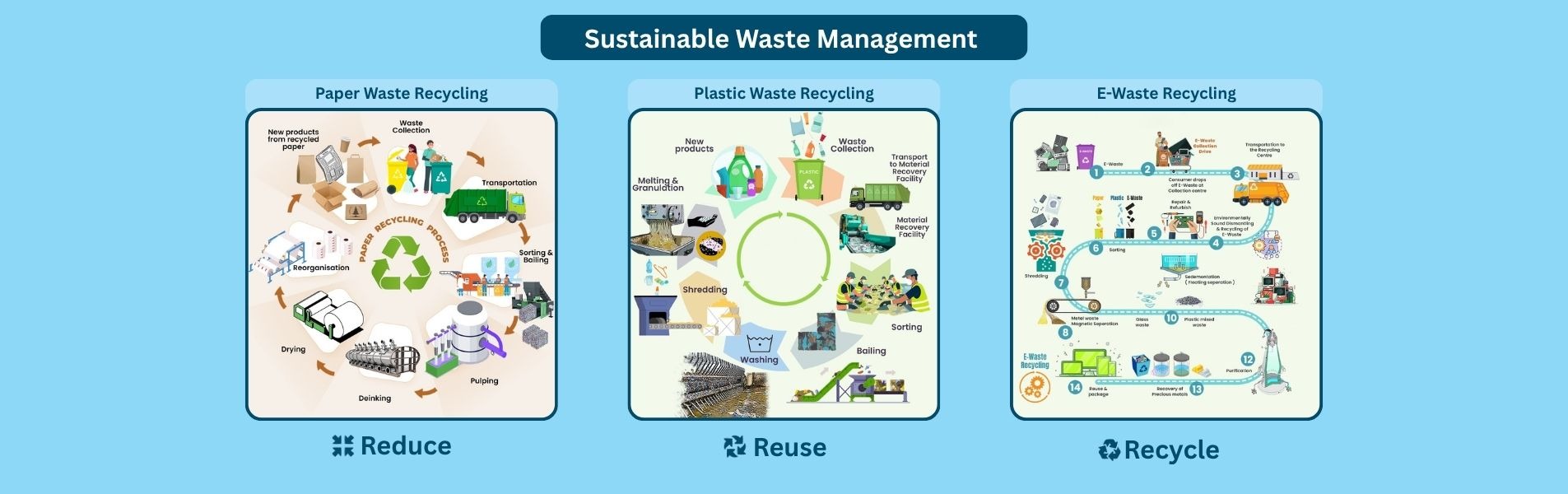
Project Sustainable Waste Management
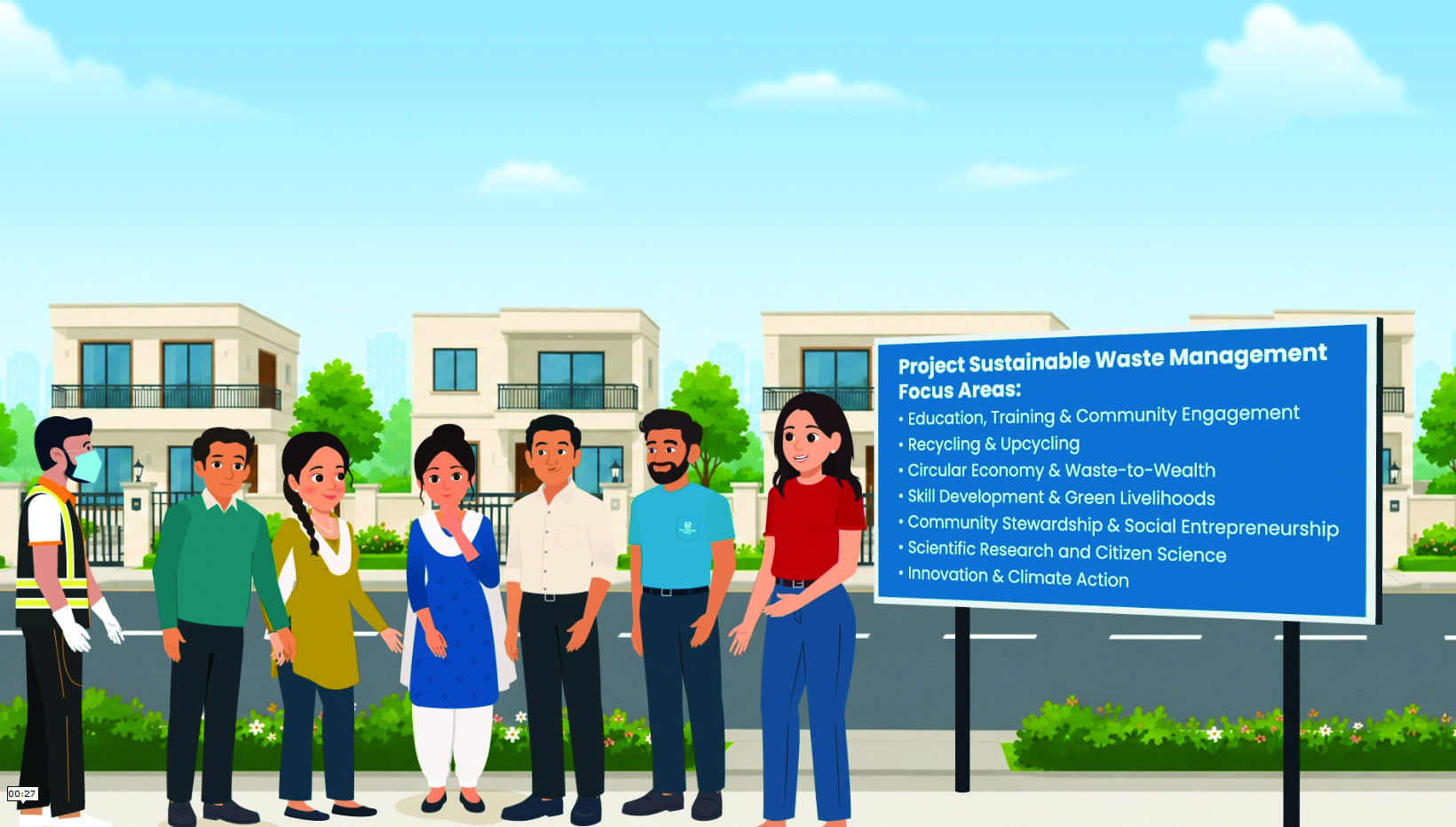
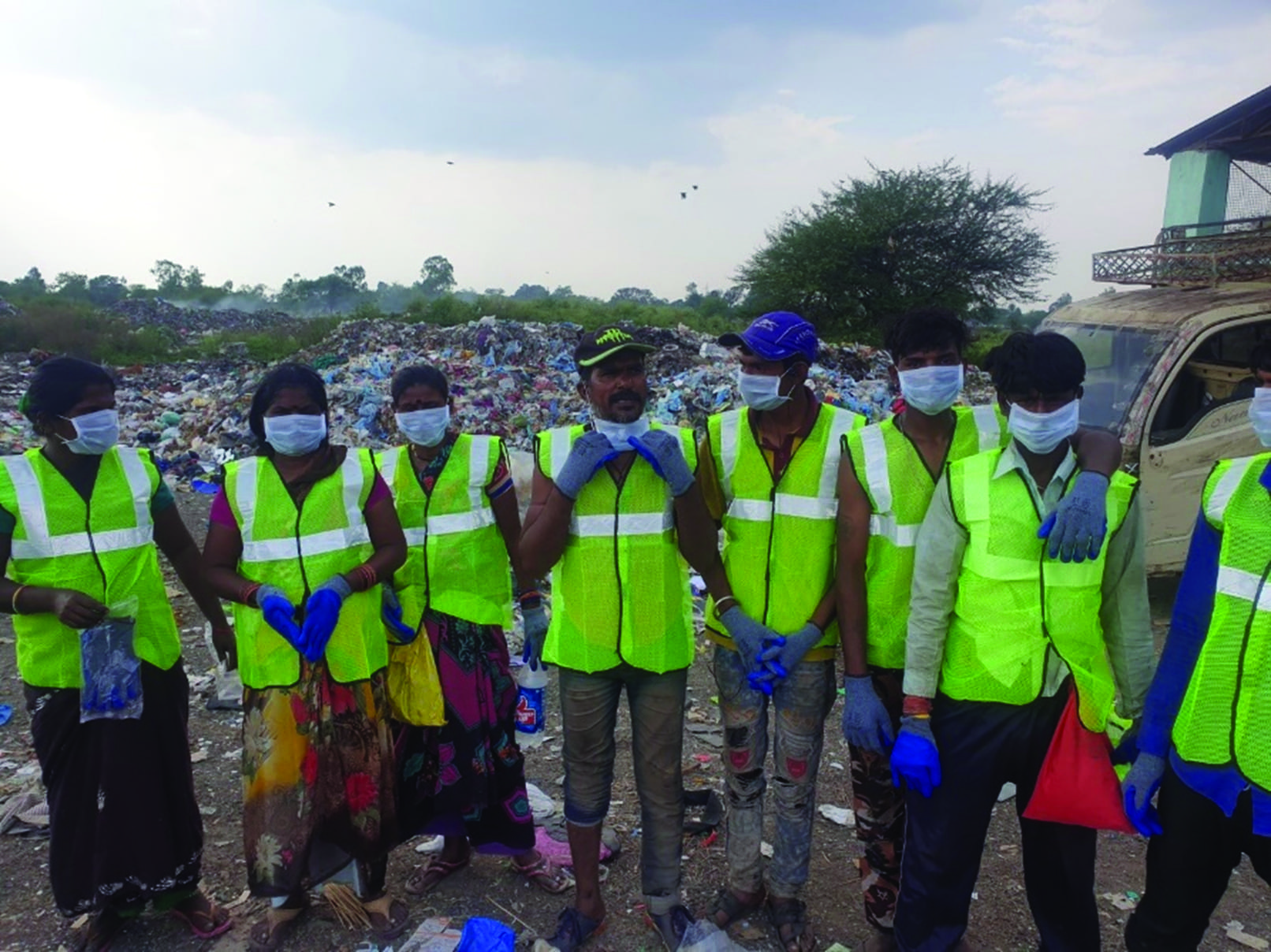
Project Sustainable Waste Management is designed with an aim to engage with a wide range of stakeholders, such as waste and sanitation stakeholders, waste management professionals and practitioners, community partners, students and teachers. The project aims to better understand the important relationship between waste generation, resource conservation, environmental sustainability, public health, and climate action. The project encourages learners to explore waste-related challenges and solutions through science-based activities, community-based actions and solution. By engaging as Citizen Scientists, students and teachers learn how responsible waste management practices can help reduce pollution, conserve natural resources, improve community health, and support sustainable development. The project provides opportunities for stakeholders to participate in practical learning experiences related to waste segregation, recycling, composting, saying no to plastic pollution, circular economy concepts, and sustainable consumption practices. Through observation, data collection, analysis, and interactive educational activities, participants are encouraged to think scientifically, understand the environmental impact of waste, and identify practical solutions for schools, homes, and communities. The project promotes environmental responsibility and encourages small positive actions that contribute towards cleaner and healthier surroundings.
Alignment with National Missions and SDGs
PWe aim at aligning Project Sustainable Waste Management with the national missions and initiatives in India, such as the Swachh Bharat Mission, Mission LiFE, Plastic Waste Management initiatives, and programmes promoting waste reduction, recycling, and environmentally responsible lifestyles.
Project Sustainable Waste Management also aims to explore convergence with the Sustainable Development Goals, such as - SDG 11 – Sustainable Cities and Communities, SDG 12 – Responsible Consumption and Production and SDG 13 – Climate Action
Educational and Interactive Learning Resources
Project Sustainable Waste Management is supported by educational modules, interactive learning resources, sciencebased animation programme and digital technology tools. Workshops and training programmes provide stakeholders with practical learning experiences that promote scientific understanding, environmental stewardship, community participation, and sustainable action for responsible waste management.
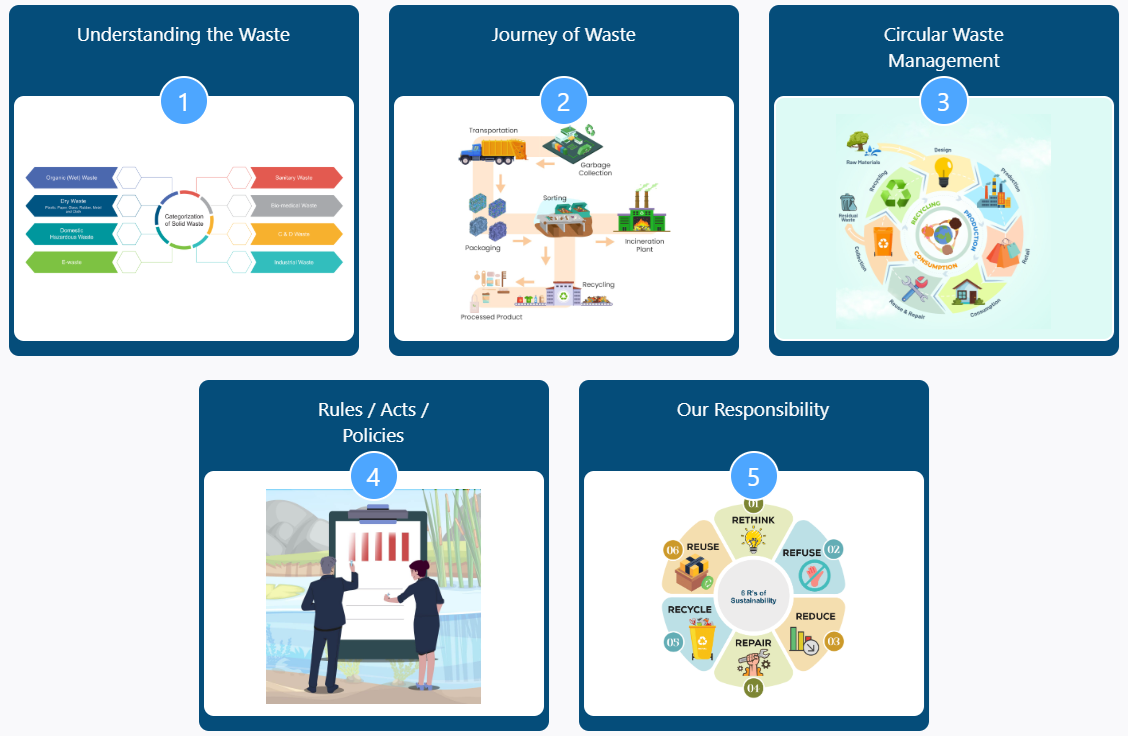
Learning Module
Project Objectives
- Increase awareness about the environmental and health impacts of waste generation and improper waste disposal.
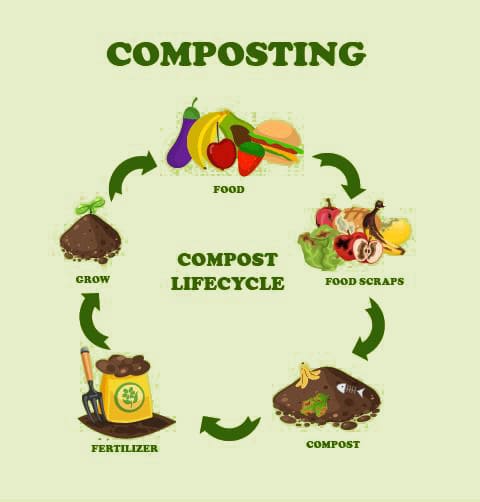
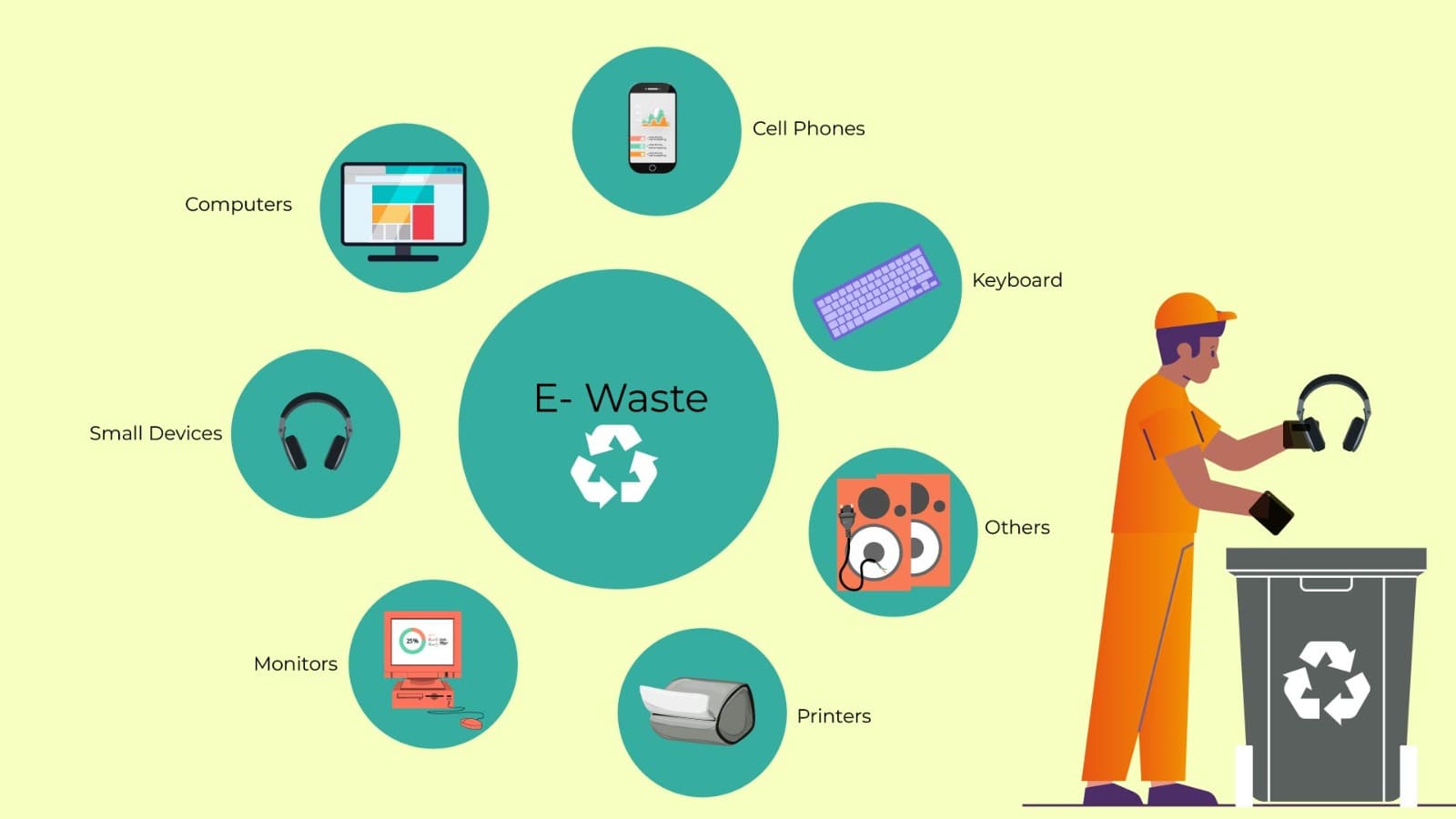
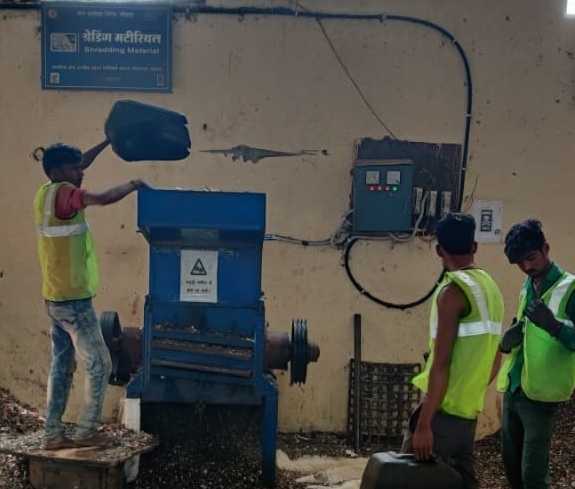
- Encourage waste segregation, recycling, composting, and responsible waste management practices.
- Promote reduction of single-use plastics and support sustainable consumption practices.
- Build understanding of waste management systems, circular economy concepts, and resource conservation.
- Strengthen the understanding of the relationship between waste, pollution, environmental sustainability, and climate action.
- Inspire waste and sanitation stakeholders, waste management professionals and practitioners, community partners, students and teachers, to take small positive steps towards cleaner and healthier environments.
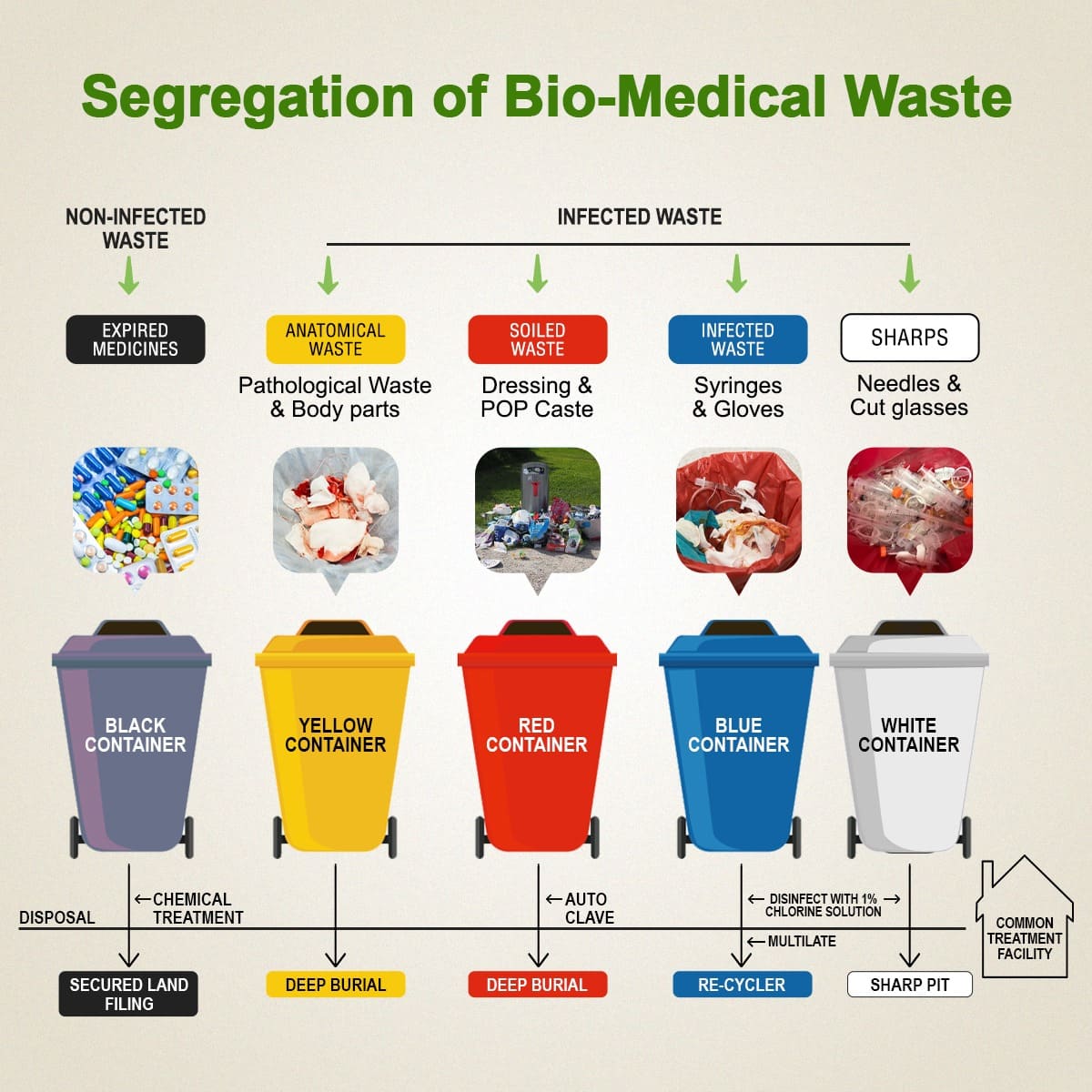
Citizen Science and STEM Education
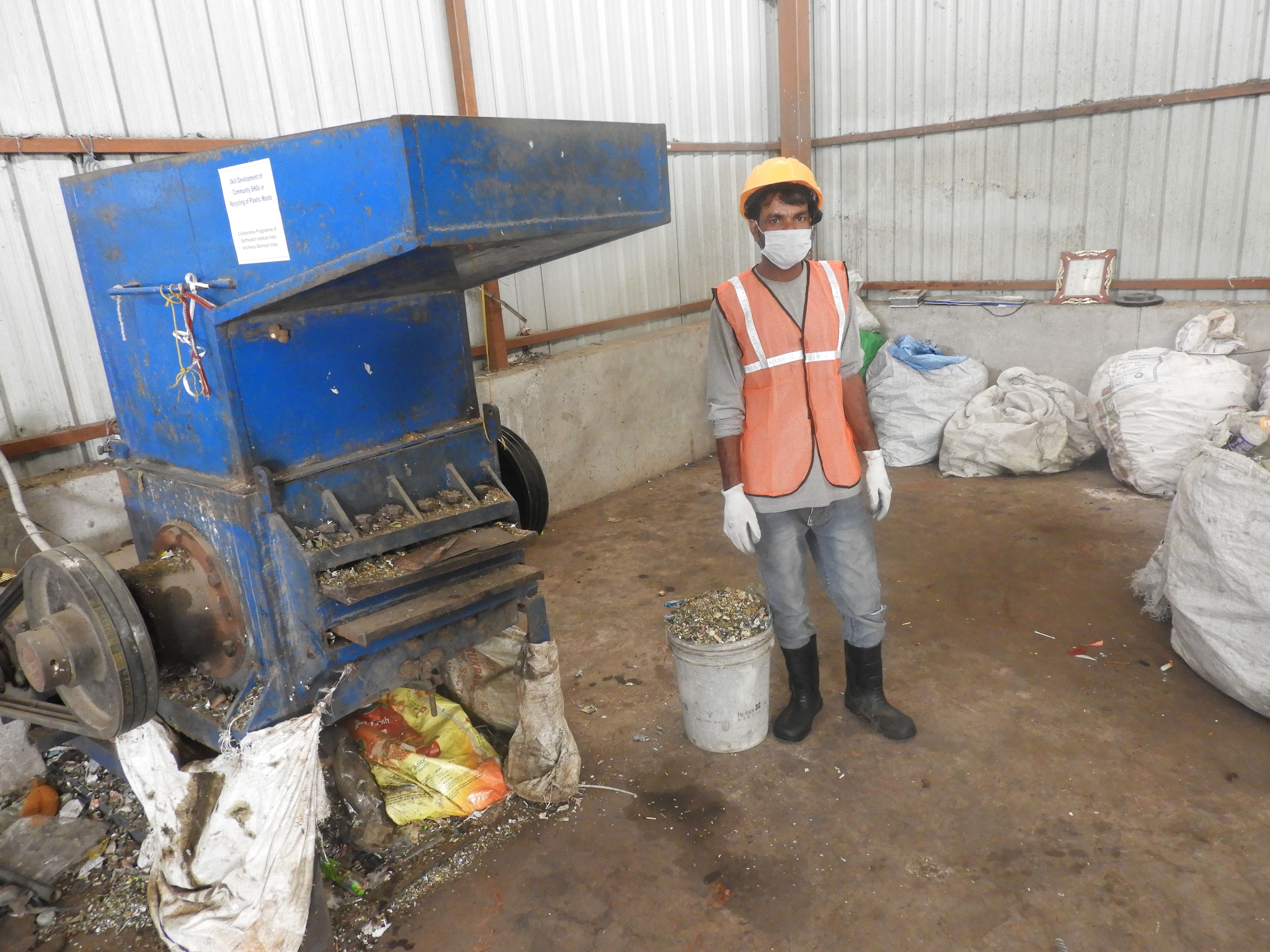
The Citizen Science approach within Project Sustainable Waste Management strengthens STEM learning by connecting classroom education with real-world environmental challenges related to waste and sustainability. Students participate in practical science-based activities such as waste audits, waste segregation studies, composting activities, plastic pollution monitoring, data collection, observation, and analysis using digital learning tools.
These experiences help develop scientific inquiry, critical thinking, collaboration, creativity, problem-solving, and environmental awareness. The project makes STEM education more engaging and meaningful while encouraging students to become active contributors as environmentally responsible communities.
Small Positive Steps Towards Sustainable Waste Management
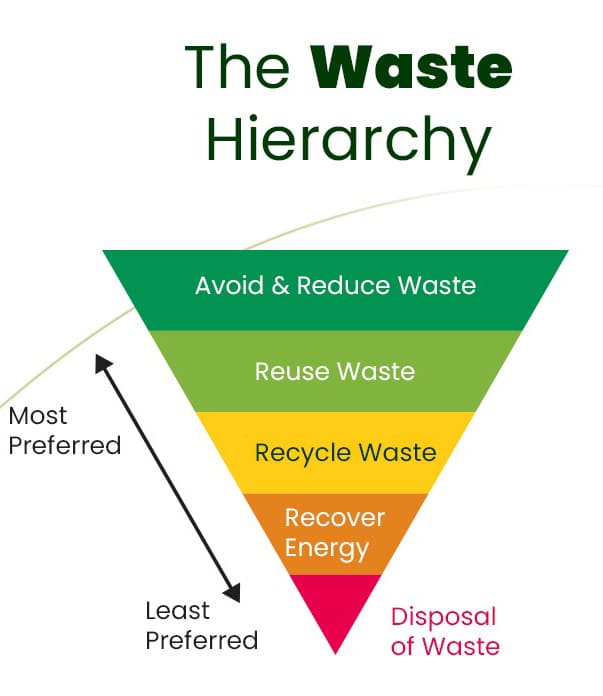
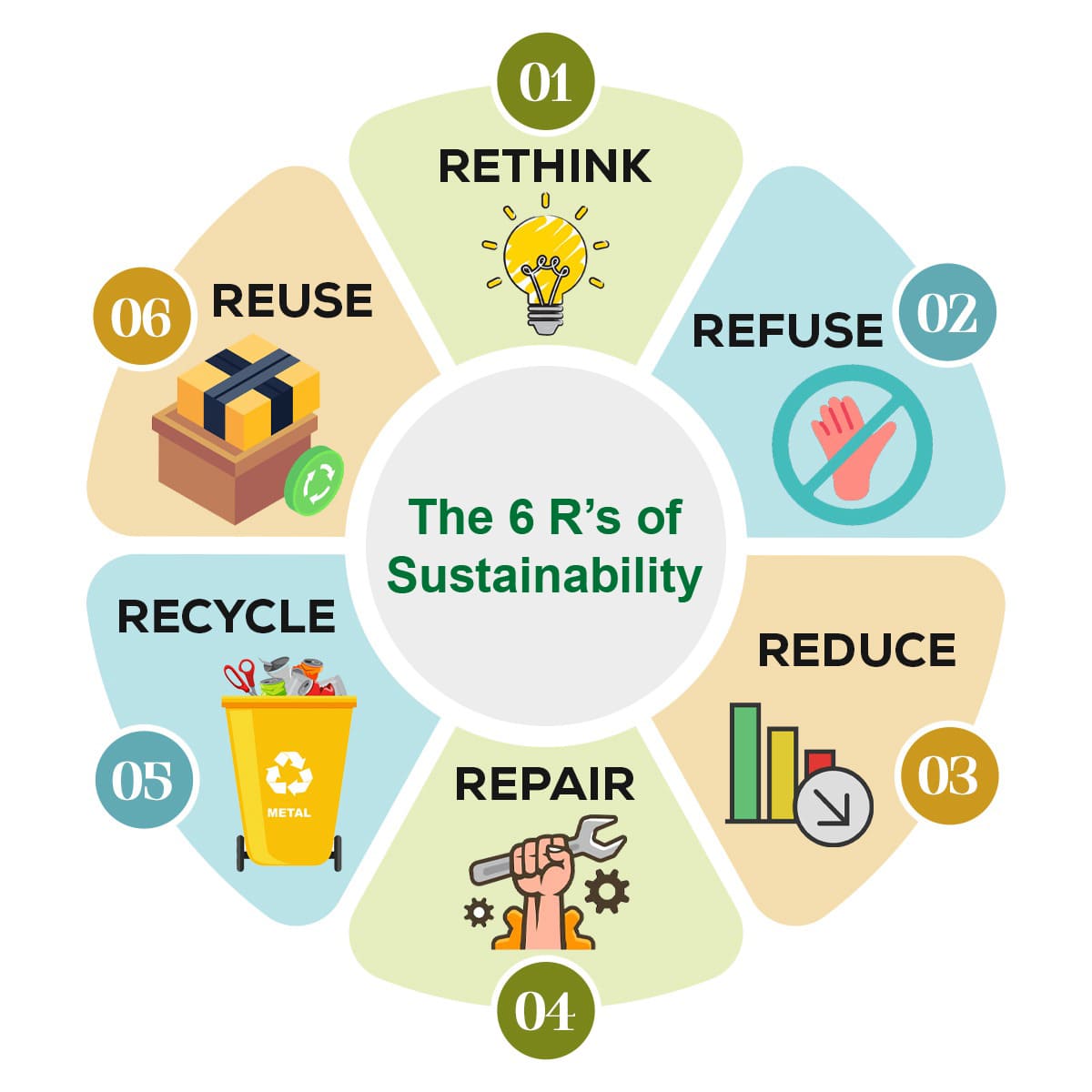
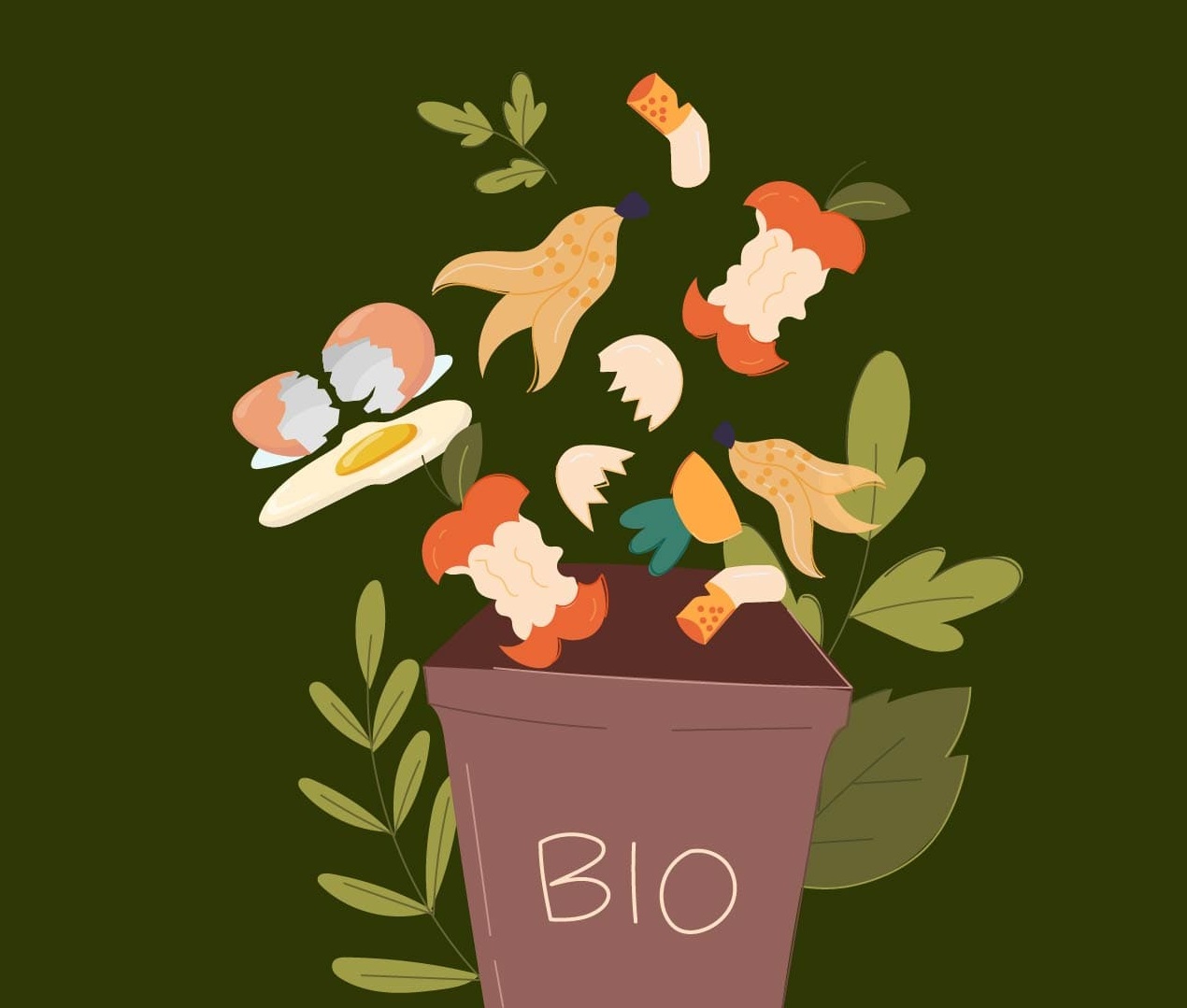
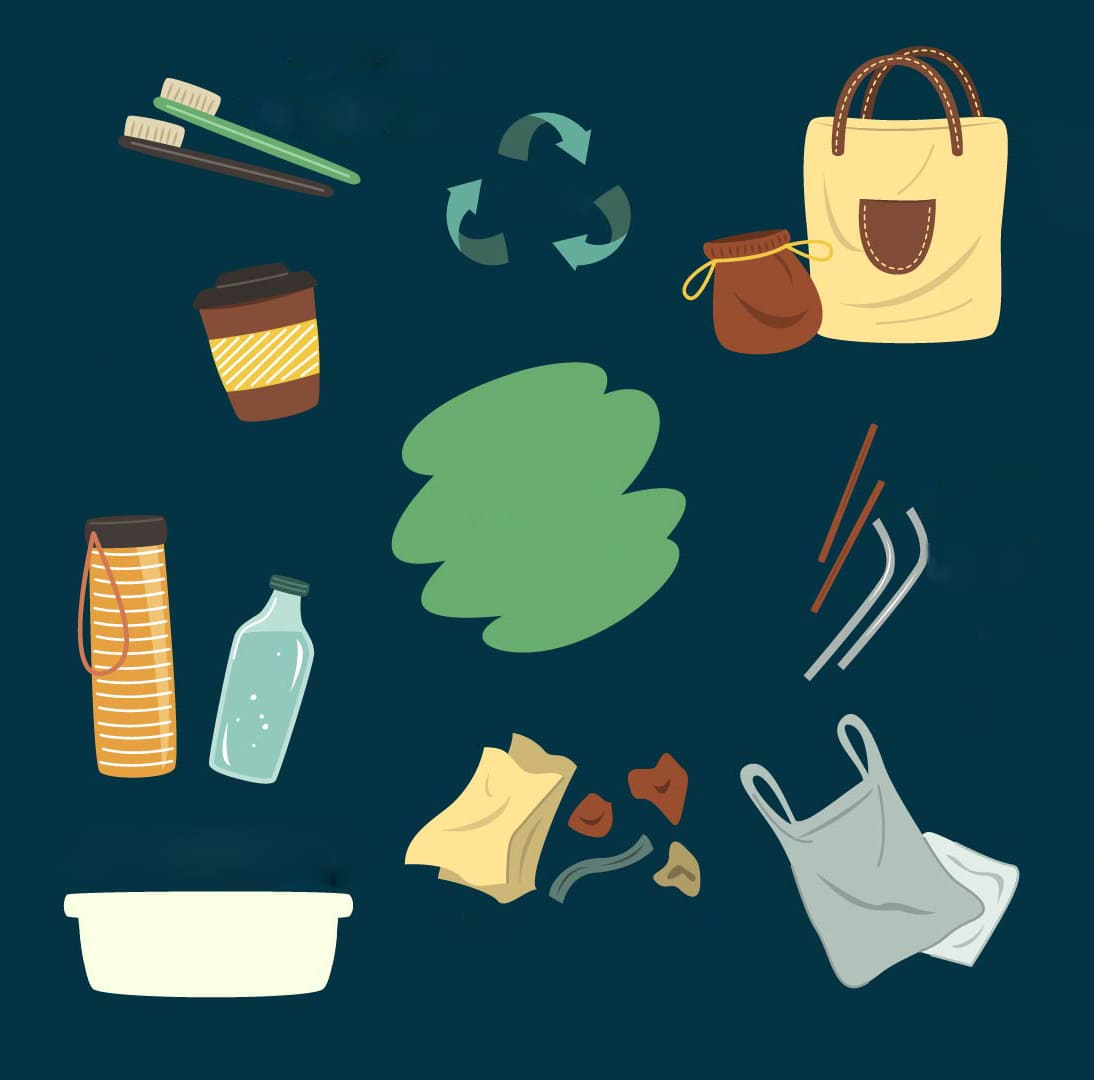
All of us can contribute towards cleaner and healthier environment through small positive actions in everyday life. Segregating waste at source, reducing the use of single-use plastics, reusing materials whenever possible, composting kitchen waste, and supporting recycling initiatives can significantly improve waste management practices. Avoiding littering, carrying reusable bags and water bottles, and encouraging responsible consumption habits also help conserve natural resources and reduce waste generation.
Participating in cleanliness drives, spreading awareness about waste segregation and recycling, supporting eco-friendly alternatives, and encouraging sustainable lifestyles in schools, homes, workplaces and communities are equally important. By adopting responsible waste management practices and participating in sustainability-related initiatives, we can help protect ecosystems, reduce pollution, conserve resources, and contribute towards a cleaner, greener, and more sustainable future.
Contact Us
For information on Project Sustainable Waste Management and its educational and learning resources, citizen science initiatives, workshops and training programmes, interactive learning portal and inspiring solutions for cleaner and healthier environment, please contact Earthwatch Institute India at [email protected]