

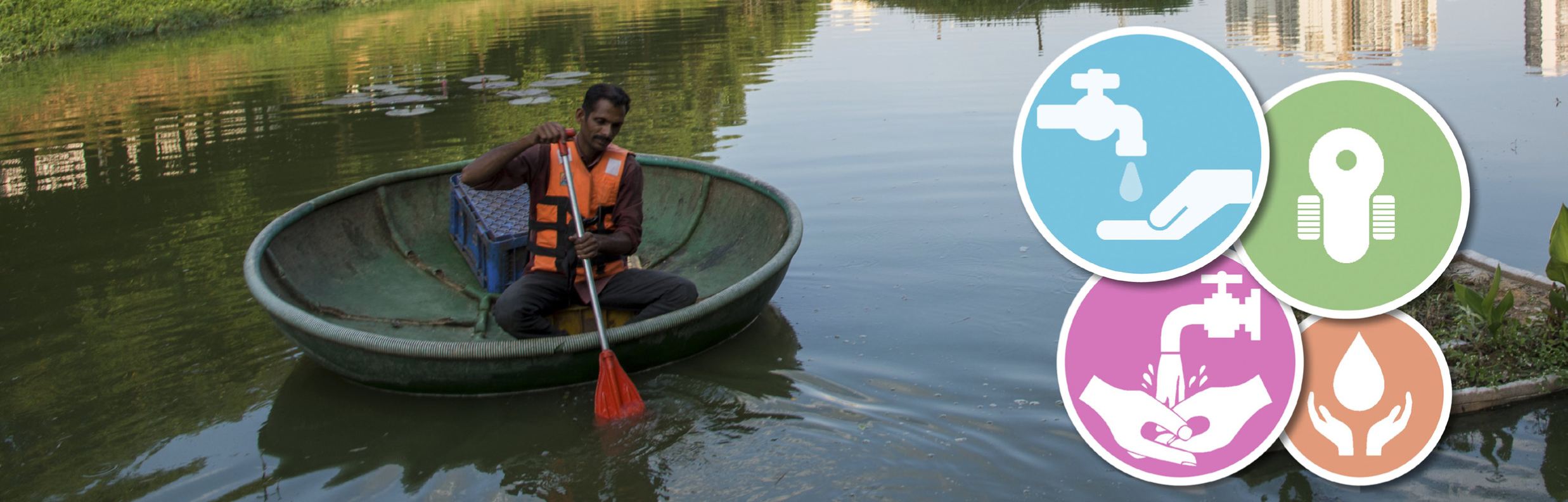
Project Healthy Water, Sanitation and Hygiene
Overview
Project Healthy Water, Sanitation and Hygiene is designed to engage students, teachers, communities, local institutions, water and sanitation stakeholders, community organisations and other partners in understanding the importance of clean water, sanitation and hygiene for healthy communities and a sustainable future.
The project aims to build a better understanding of the relationship between water, sanitation, hygiene, human health, environment, water security, community well-being and climate resilience.
The project goes beyond awareness by encouraging participants to learn, observe, take small positive actions and become local champions for healthy water and sanitation. Through education, practical activities, Citizen Science, community-based conservation programmes and simple achievable actions, participants are encouraged to understand local water and sanitation issues and identify solutions that can make a positive difference.
The project promotes the understanding that access to clean water and sanitation depends on how communities use, conserve and protect their water resources.
Healthy water systems, clean surroundings, safe sanitation and good hygiene practices are essential for healthy communities. At the same time, protecting local water sources, preventing pollution and sustainable waste management practices, conserving water and strengthening community preparedness can help communities respond to increasing climate change related pressures.
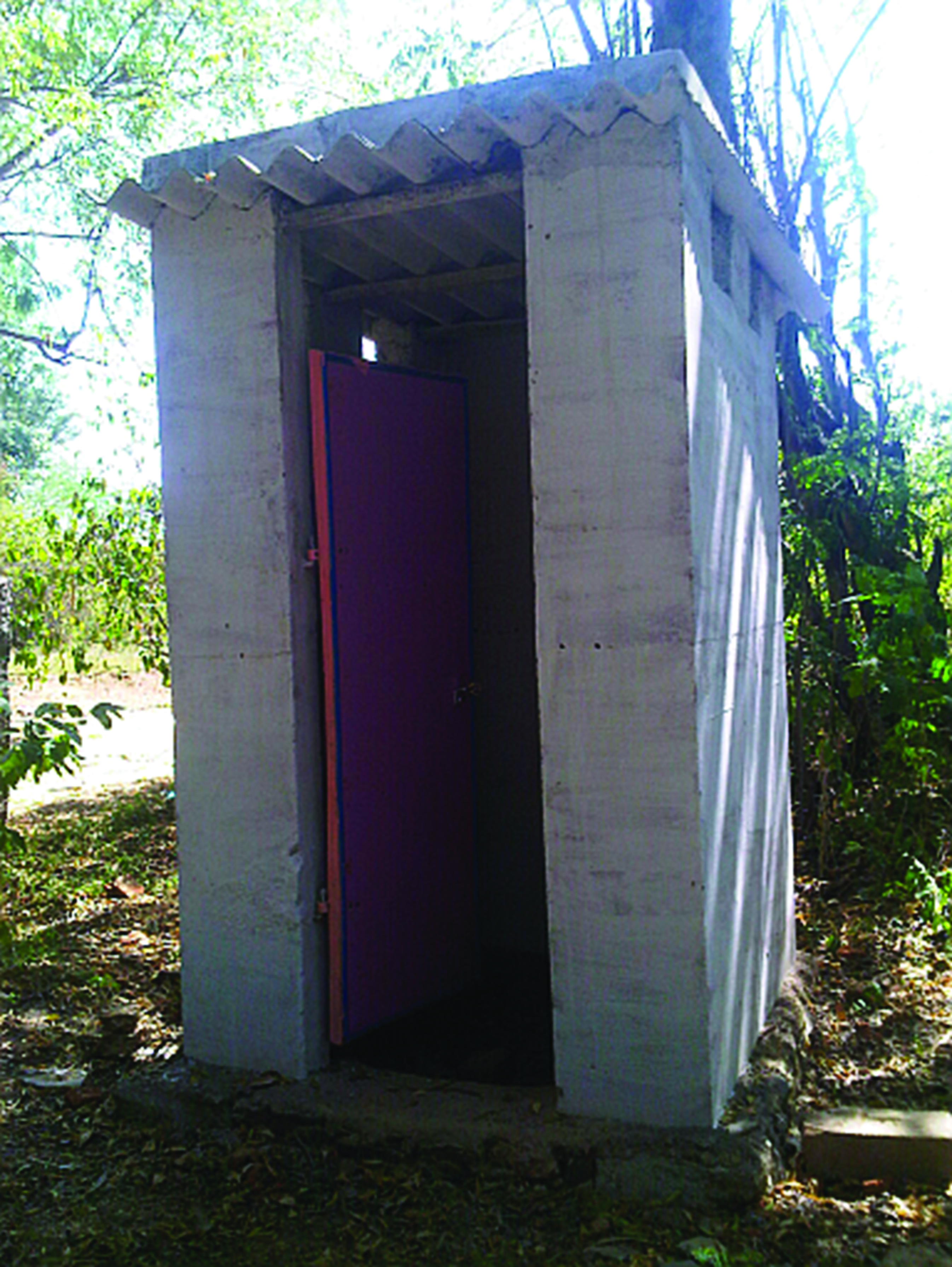
Alignment with National Missions and Sustainable Development Goals
Project Healthy Water, Sanitation and Hygiene explores convergence with national programmes and initiatives related to water conservation, sanitation, hygiene, water security, environment and climate resilience.
The project is particularly relevant to initiatives such as: Jal Jeevan Mission, Swachh Bharat Mission, Jal Shakti Abhiyan: Catch the Rain, Mission LiFE, National Action Plan on Climate Change. Other national and local programmes supporting water conservation, sanitation, hygiene, ecosystem protection and climate action.
The project also aims to align with Sustainable Development Goals, particularly:
SDG 3 – Good Health and Well-being, SDG 4 – Quality Education, SDG 6 – Clean Water and Sanitation, SDG 11 – Sustainable Cities and Communities, SDG 12 – Responsible Consumption and Production, SDG 13 – Climate Action, SDG 14 – Life Below Water and SDG 15 – Life on Land. The project contributes to the broader objectives of healthy communities, water security, public health, sanitation and hygiene, environmental conservation, climate resilience, quality education and community participation.
By connecting WASH education with water conservation, ecosystem protection and climate action, the project aims to help communities move from awareness to positive actions and become active partners in creating a cleaner, healthier and more climate-resilient future.
Education and Interactive Learning
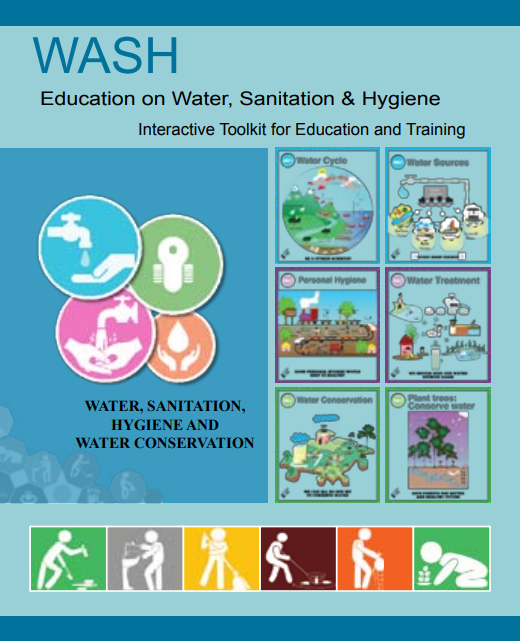
Project Healthy Water, Sanitation and Hygiene uses interactive education and practical learning to help students, teachers and communities understand WASH issues in their own surroundings.
Learning activities include - Understanding the water cycle and sources of water, Understanding local water resources and water use, Importance of safe drinking water,
The project also aims to align with Sustainable Development Goals, particularly:
Water quality and simple water-quality observations, Understanding sanitation and wastewater, Personal and community hygiene, Handwashing and hygiene practices,
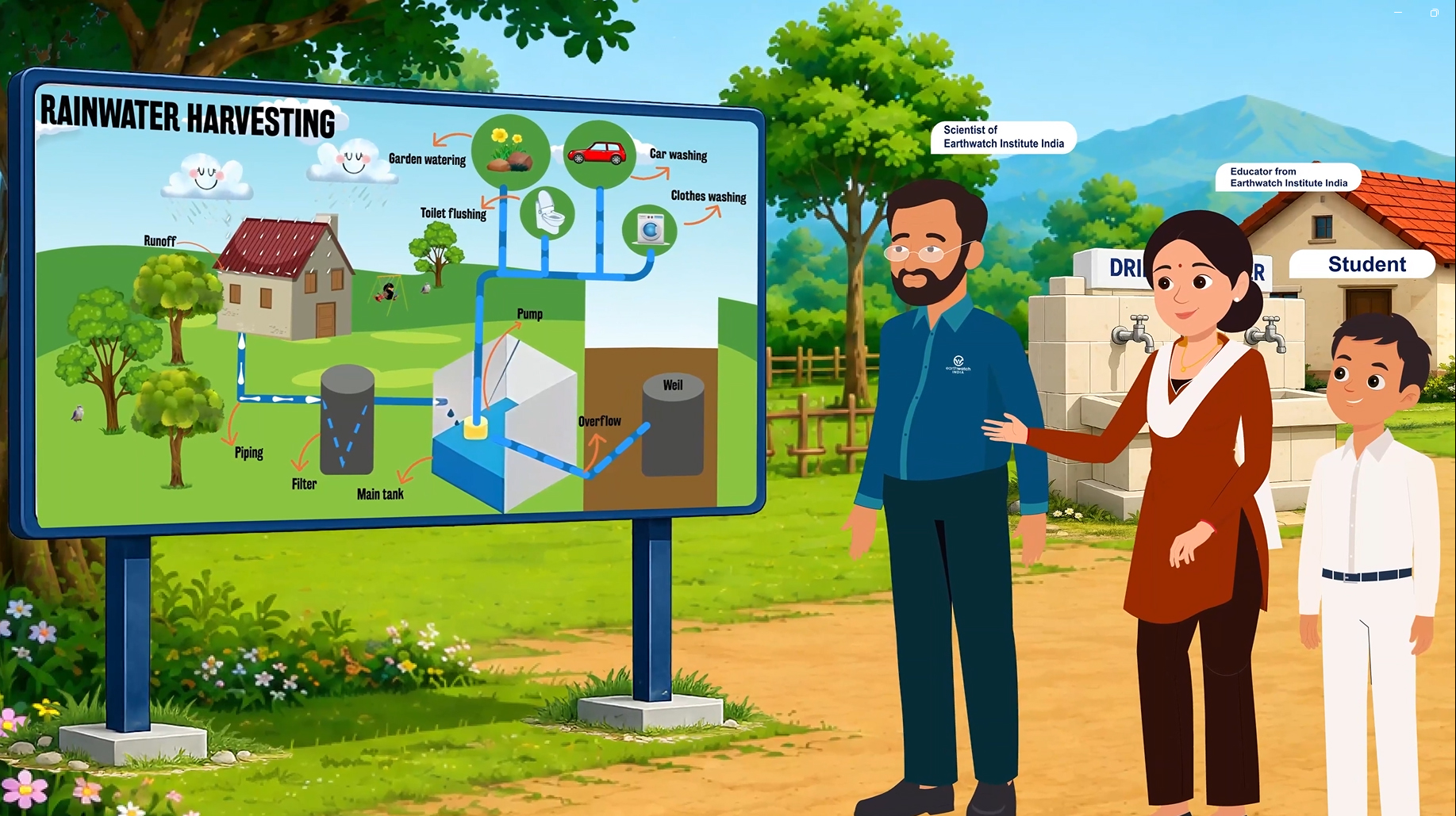
Safe water storage and handling, Preventing contamination of water sources, Water conservation and efficient water use, Rainwater harvesting, Waste and plastic pollution prevention, Understanding the relationship between water, sanitation and ecosystems, Citizen Science and water quality, Climate change impacts on water availability and quality, Floods, droughts and water-related risks, Community preparedness and climate resilience, Nature-based approaches for water conservation.
Through education, observation, field activities, experiments and locally relevant examples, participants are encouraged to understand WASH issues and develop practical solutions. Digital learning resources, animations, learning modules, field guides and citizen science tools further support learning and engagement.
Educational Module on:
- Water Quality and Health
- Sanitation and Hygiene
- Water Security and Conservation
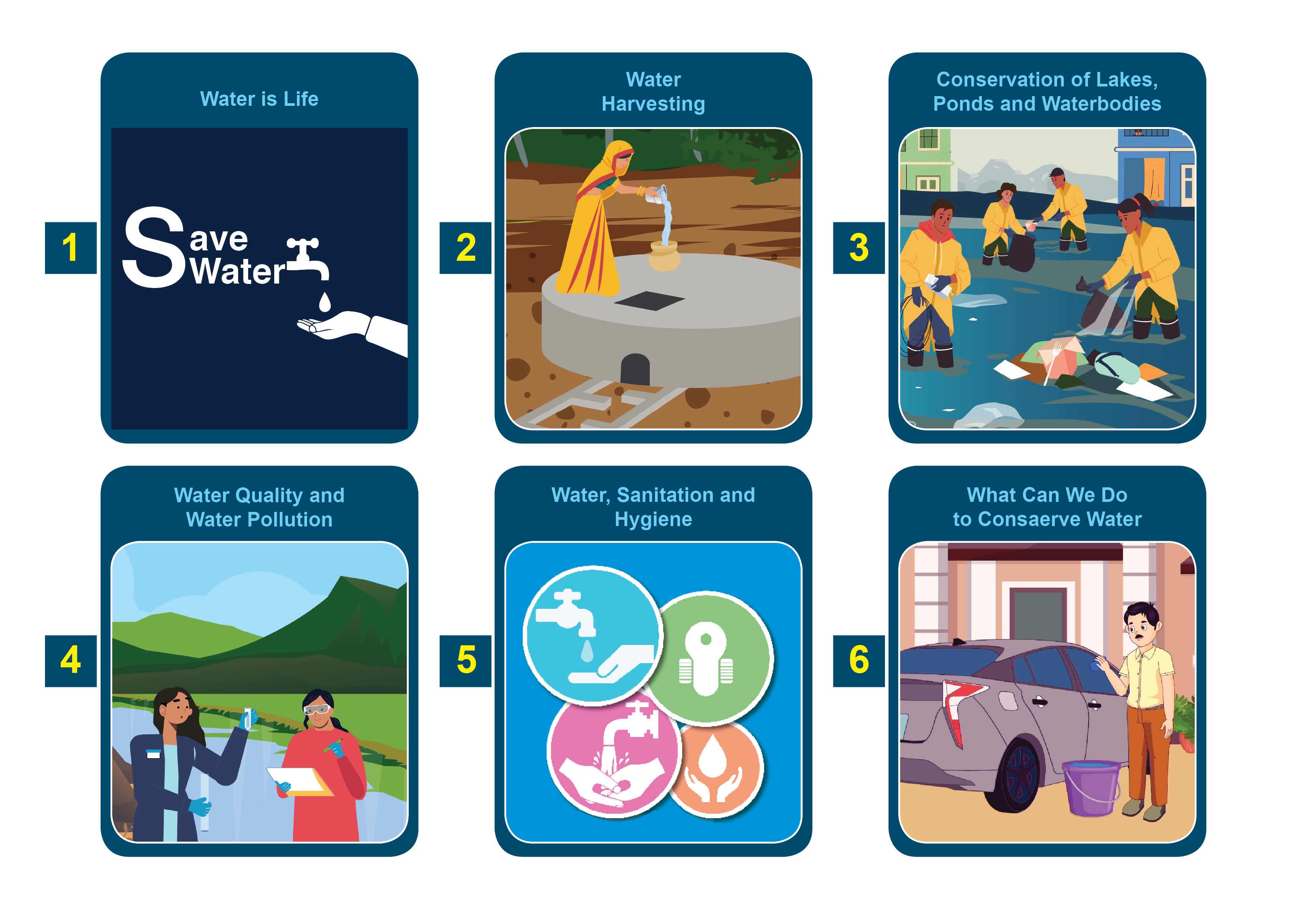
Water, Sanitation and Hygiene in a Changing Climate
Climate change is changing the way communities experience water. Changing rainfall patterns, extreme rainfall, flooding, drought, rising temperatures and water scarcity can affect the availability, quality and reliability of water resources.
Extreme rainfall and flooding can contaminate water sources and increase the risk of waterborne diseases. Periods of drought and water scarcity can place additional pressure on households and communities, making water conservation and responsible water use increasingly important. These issues create an opportunity to connect WASH education with climate resilience.
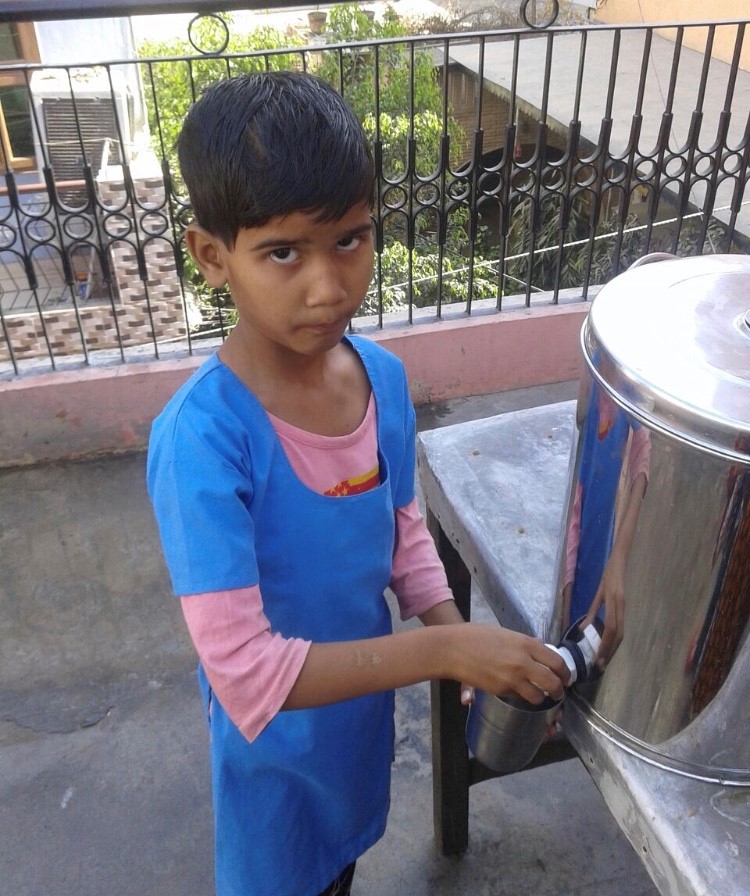
The project encourages communities to understand that all of us can take practical steps to protect the water resources, reduce pollution, conserve water and improve sanitation and hygiene. Protecting a local water source is not only about conserving water—it is about protecting community health and water security. Preventing pollution is not only about keeping surroundings clean—it is about protecting the quality of water used by people and ecosystems. Practising good hygiene is not only about individual health—it contributes to healthier families, schools and communities. Conserving water is not only about reducing consumption—it helps communities prepare for periods of water scarcity. Improving sanitation is about protecting people, water resources and the environment.
The project therefore promotes a shift from viewing WASH simply as a health or sanitation issue to recognising clean water, sanitation and hygiene as essential foundations for healthy, sustainable and climate-resilient communities.
Science-based Educational Puppet Programme
‘Clean Water and Healthy Life’
Using storytelling and interactive characters to learn about the importance of Clean Water, Sanitation, Hygiene, and Water Conservation. Making Water, Sanitation and Hygiene concepts fun, relatable, and memorable
Community-Based Water Conservation Programmes and WASH Action
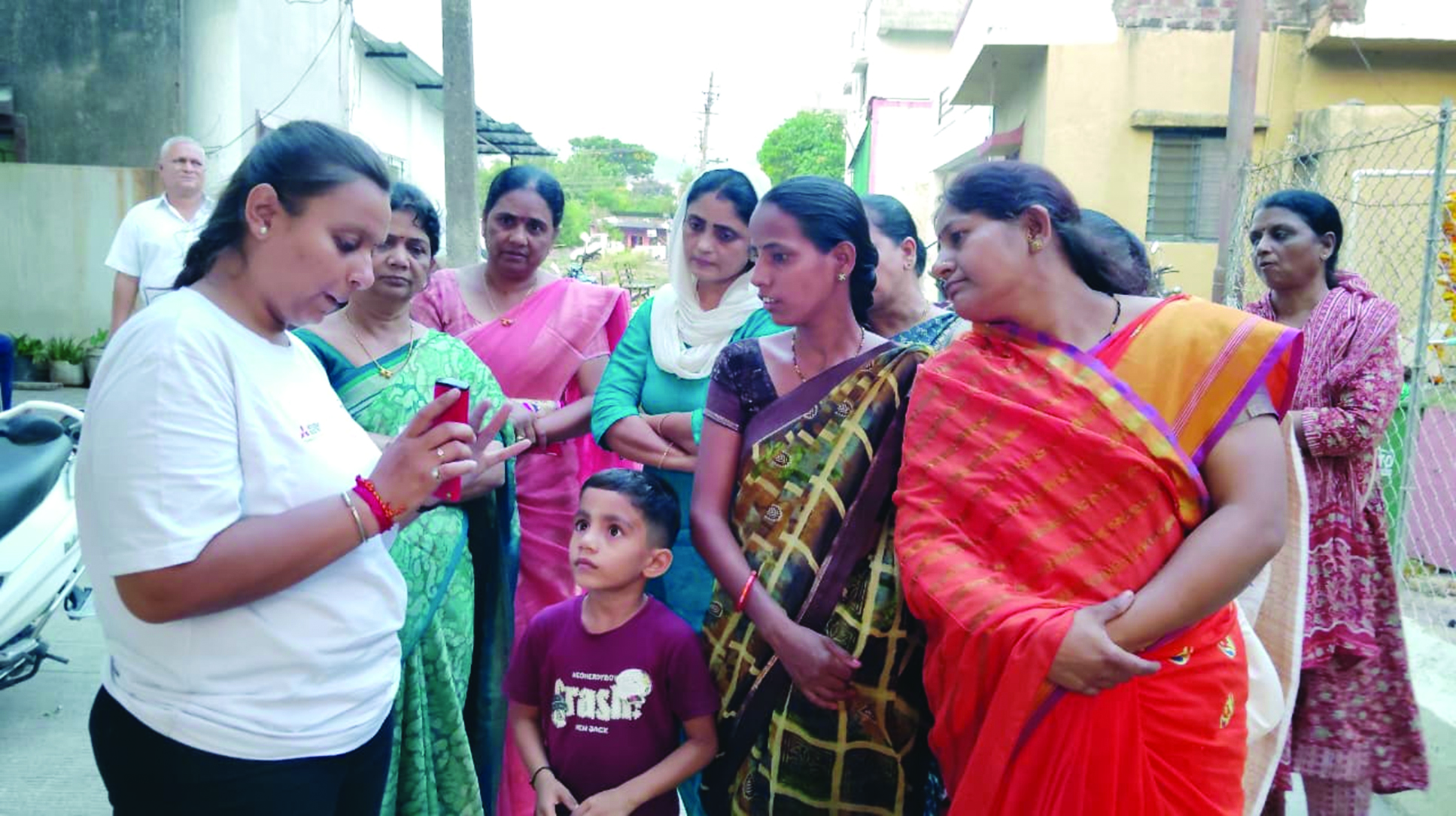
Community participation is a key component of Project Healthy Water, Sanitation and Hygiene. The project encourages communities to identify local WASH issues and undertake simple, achievable and locally relevant positive actions and solutions.
Community-based activities may include: Local water-source mapping, Water-use and water-conservation programme, Clean-up activities with community participation, Prevention of litter and waste from entering drains and water bodies, Awareness programmes on safe drinking water, Safe water storage and handling, Handwashing and hygiene awareness activities, School and community sanitation programmes, Rainwater harvesting initiatives, Water conservation demos, Household water-saving, Identifying water pollution sources, Awareness on responsible disposal of wastewater, Protecting ponds, lakes, wetlands and other local water resources, Native plantation around suitable water bodies and community spaces, Creating community water and hygiene learning spaces and Developing local WASH action plans.
The project seeks to promote long-term community stewardship rather than one-time activities. Communities can identify areas vulnerable to water scarcity, flooding, pollution and sanitation and develop small positive activities to address them.
Water Conservation and Nature-Based Solutions
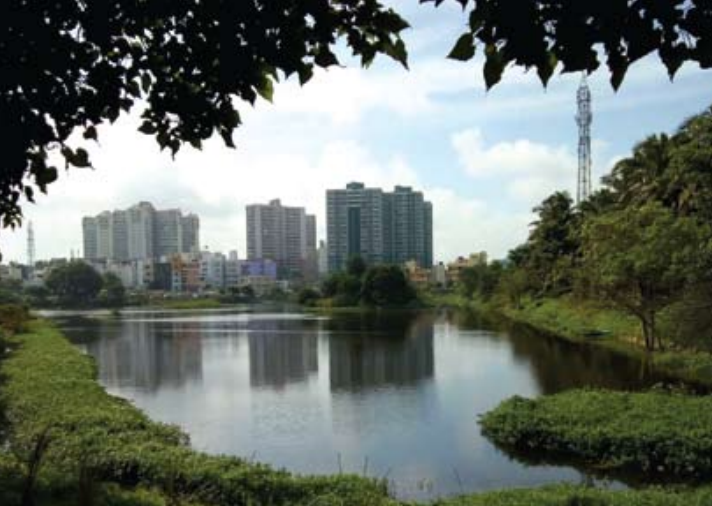
Healthy ecosystems can play an important role in maintaining water security and strengthening climate resilience. Lakes, ponds, wetlands, rivers and other aquatic ecosystems can store water, support groundwater recharge, regulate water flows and provide important habitats for biodiversity. The project therefore encourages communities to understand the connection between WASH, healthy ecosystems and climate resilience.
Community activities can include: Protection of local ponds, lakes and wetlands, Prevention of waste and sewage pollution entering water bodies, Rainwater harvesting, Groundwater-recharge, Protection of natural vegetation around water bodies, Native plantation, Restoration of local water habitats, Monitoring of water resources, Identification of local flood-prone and water-scarce areas, Promoting nature-based solutions for water management and Developing community water conservation plans.
This approach helps communities recognise local water resources as natural assets that support health, livelihoods, biodiversity and climate resilience.
Capacity Building of WASH Champions and Water Stewards
An important component of the project is capacity building of community members who can become local WASH Champions and Water Stewards.
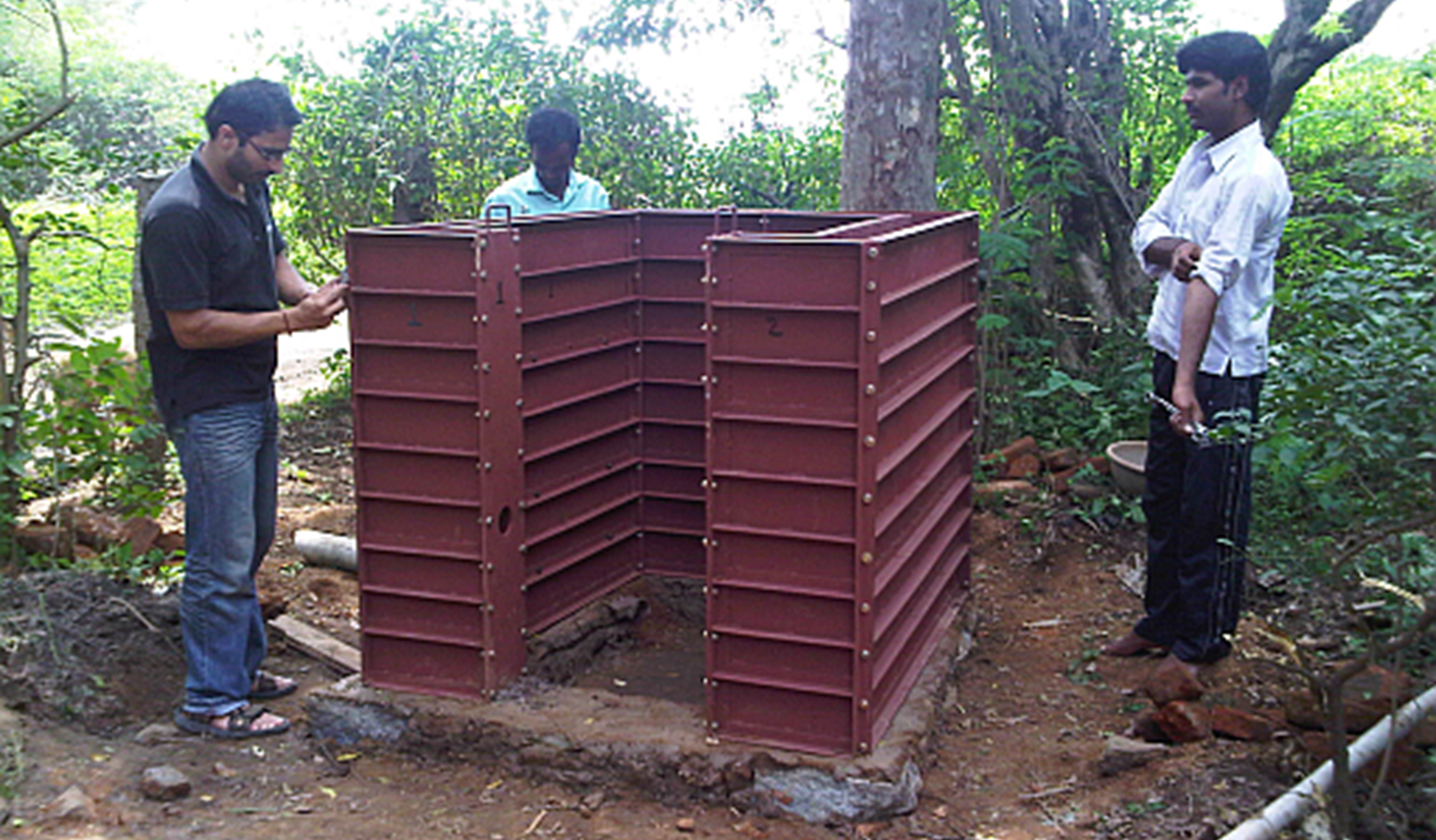
Training and field-based learning can include: Understanding local water resources, Water conservation and responsible water use, Basic water-quality monitoring programme for students and teachers, Identifying sources of water pollution, Safe sanitation practices, Hygiene promotion, Handwashing and disease prevention, Safe drinkingwater storage, Wastewater and pollution management, Rainwater harvesting, Climate change and water security, Flood and drought preparedness, WASH awareness programmes, Developing community WASH action plans and Monitoring and documenting community-based water conservation programmes.
Capacity building enables community members, Self-Help Groups, teachers, students and local organisations to become local knowledge partners. They can help connect households, schools, communities, local institutions and conservation practitioners and encourage collective action for healthier and more resilient communities.
Citizen Science and STEM Education
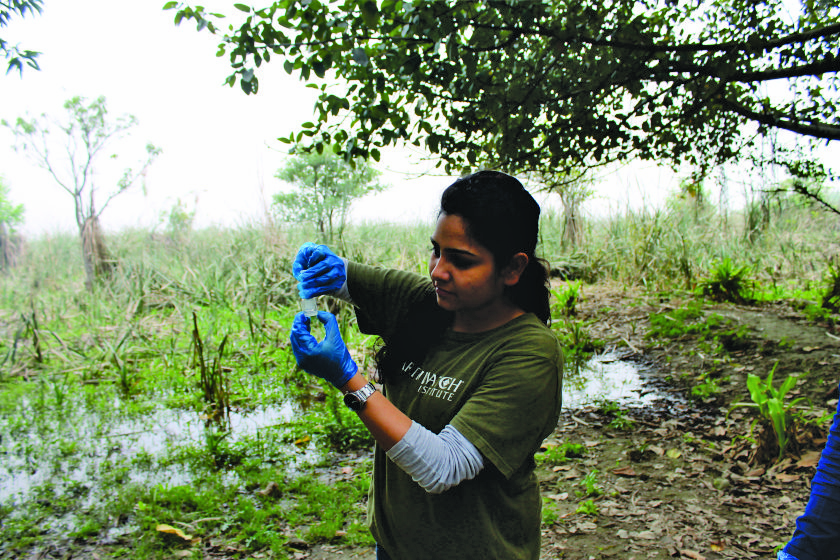
Citizen Science approach within Project Healthy Water, Sanitation and Hygiene connects classroom learning with realworld water and environment related issues.
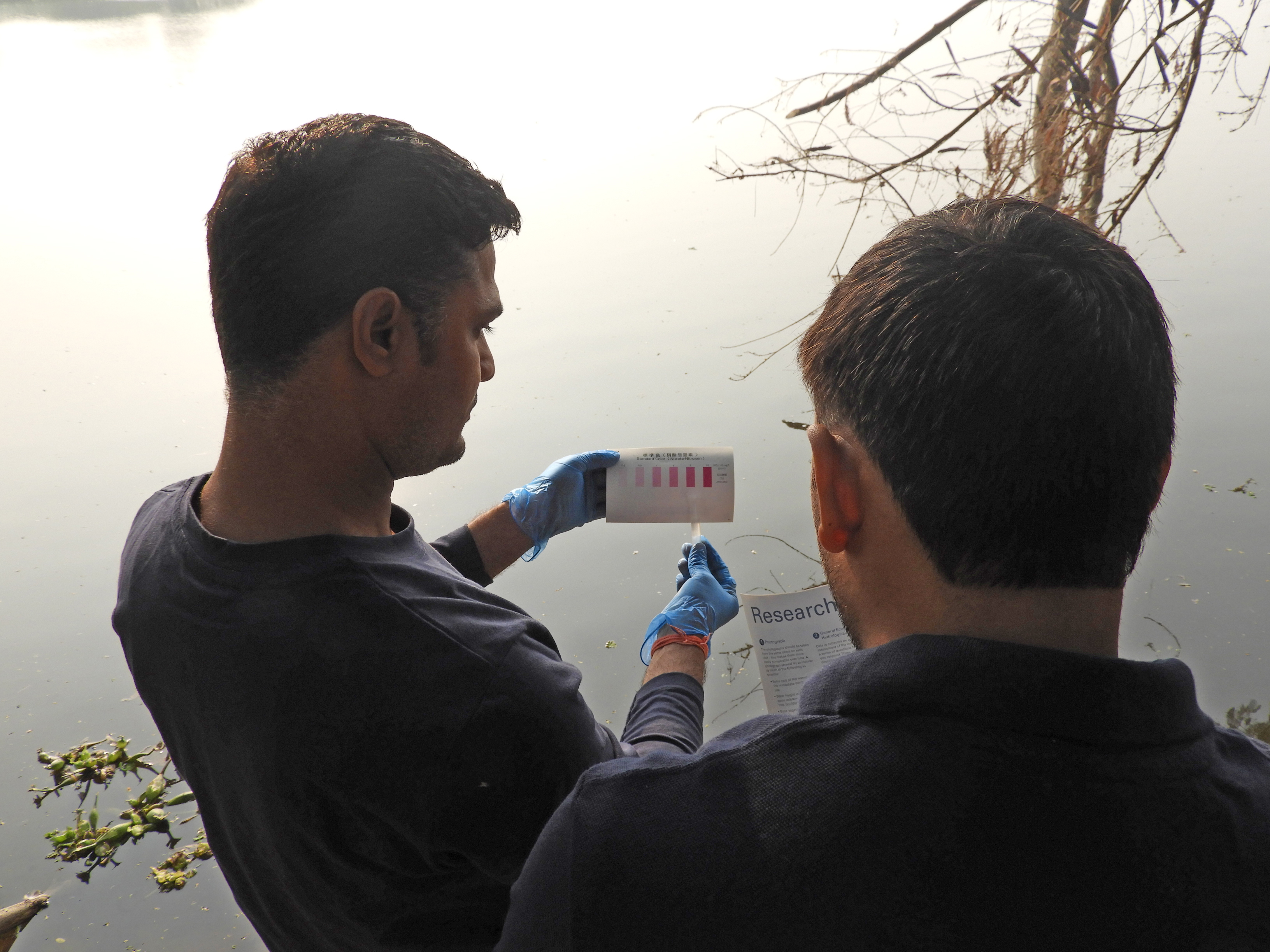
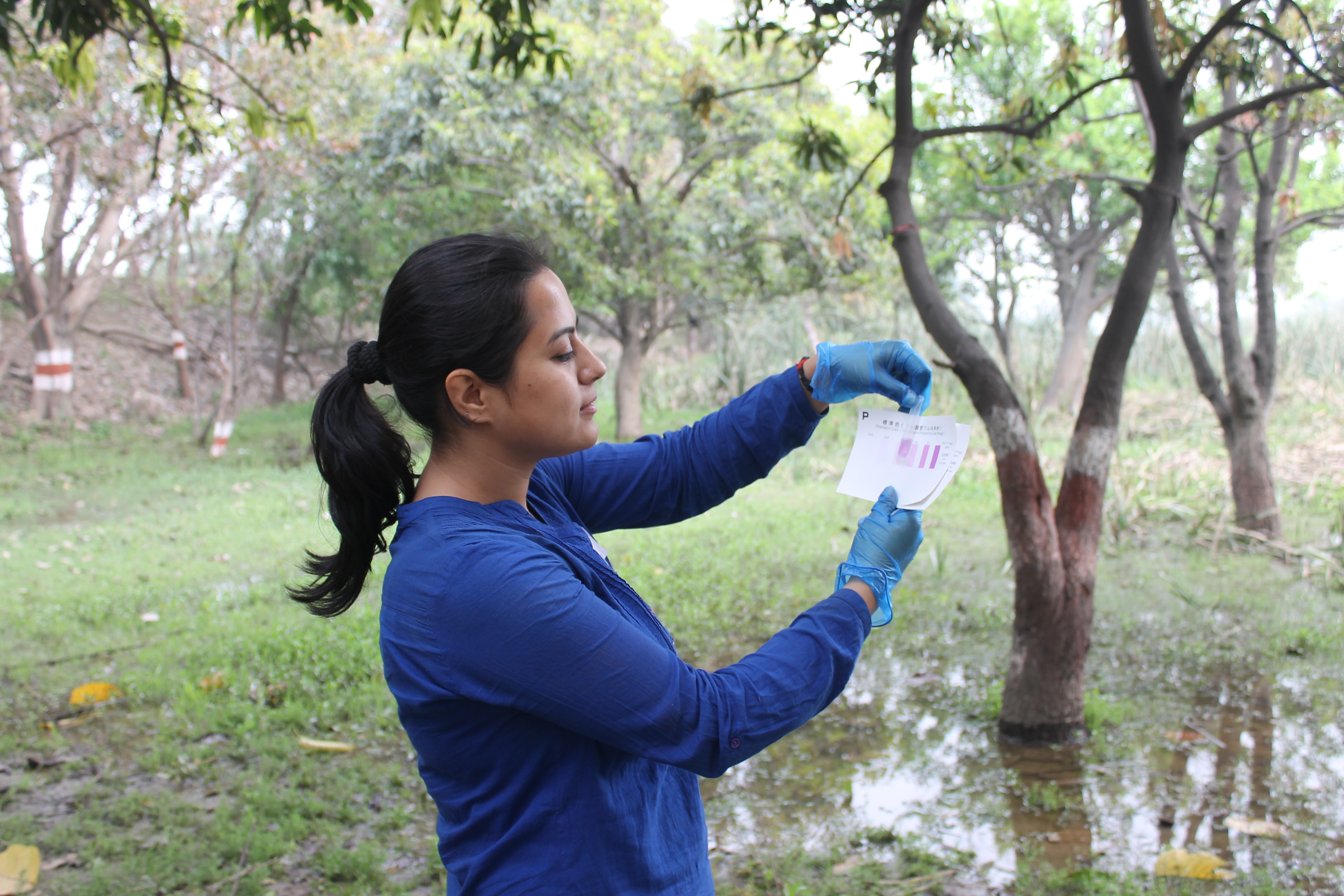
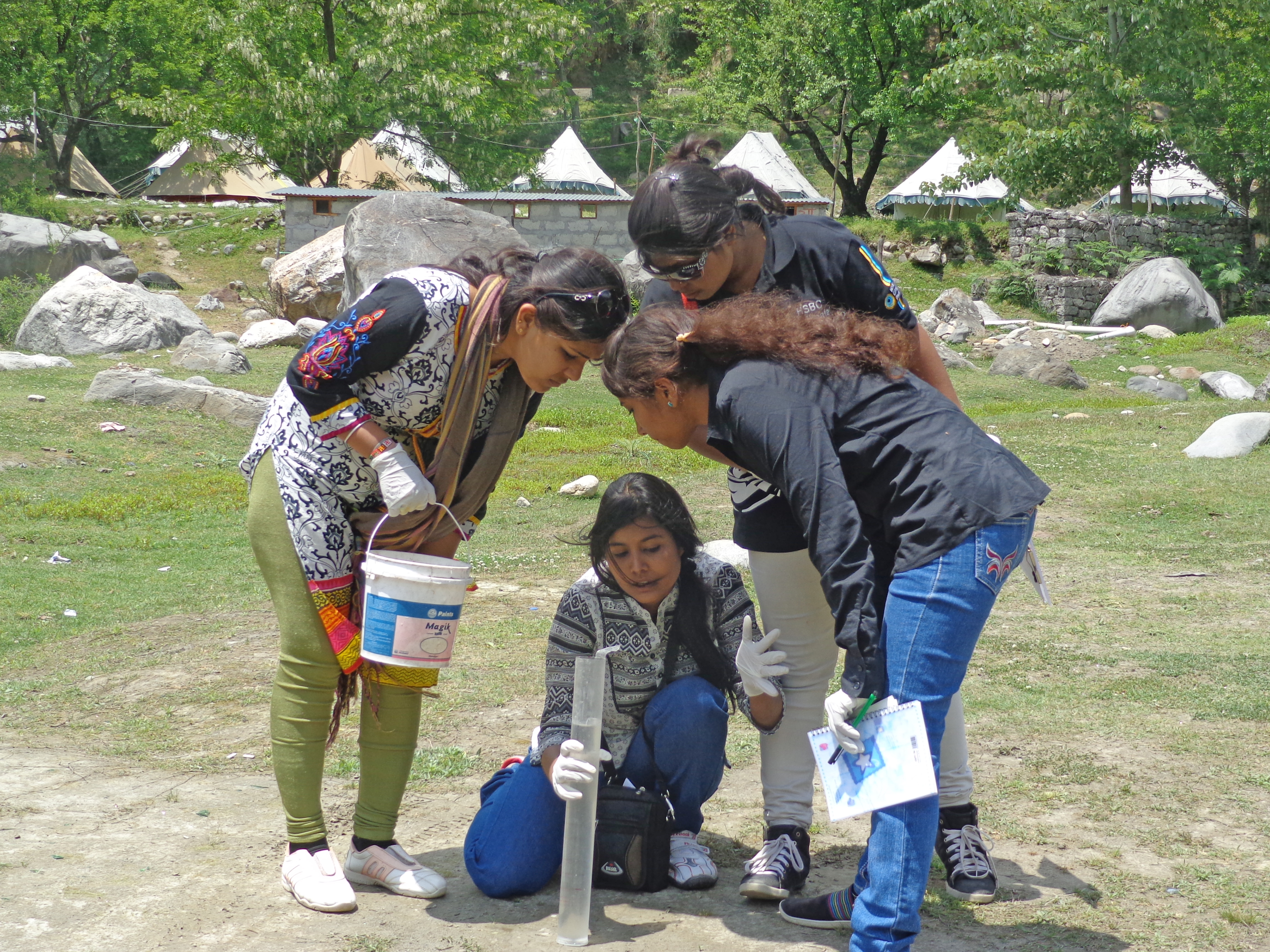
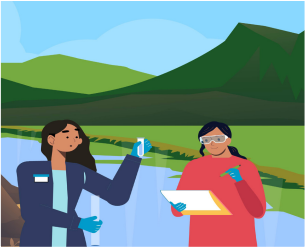
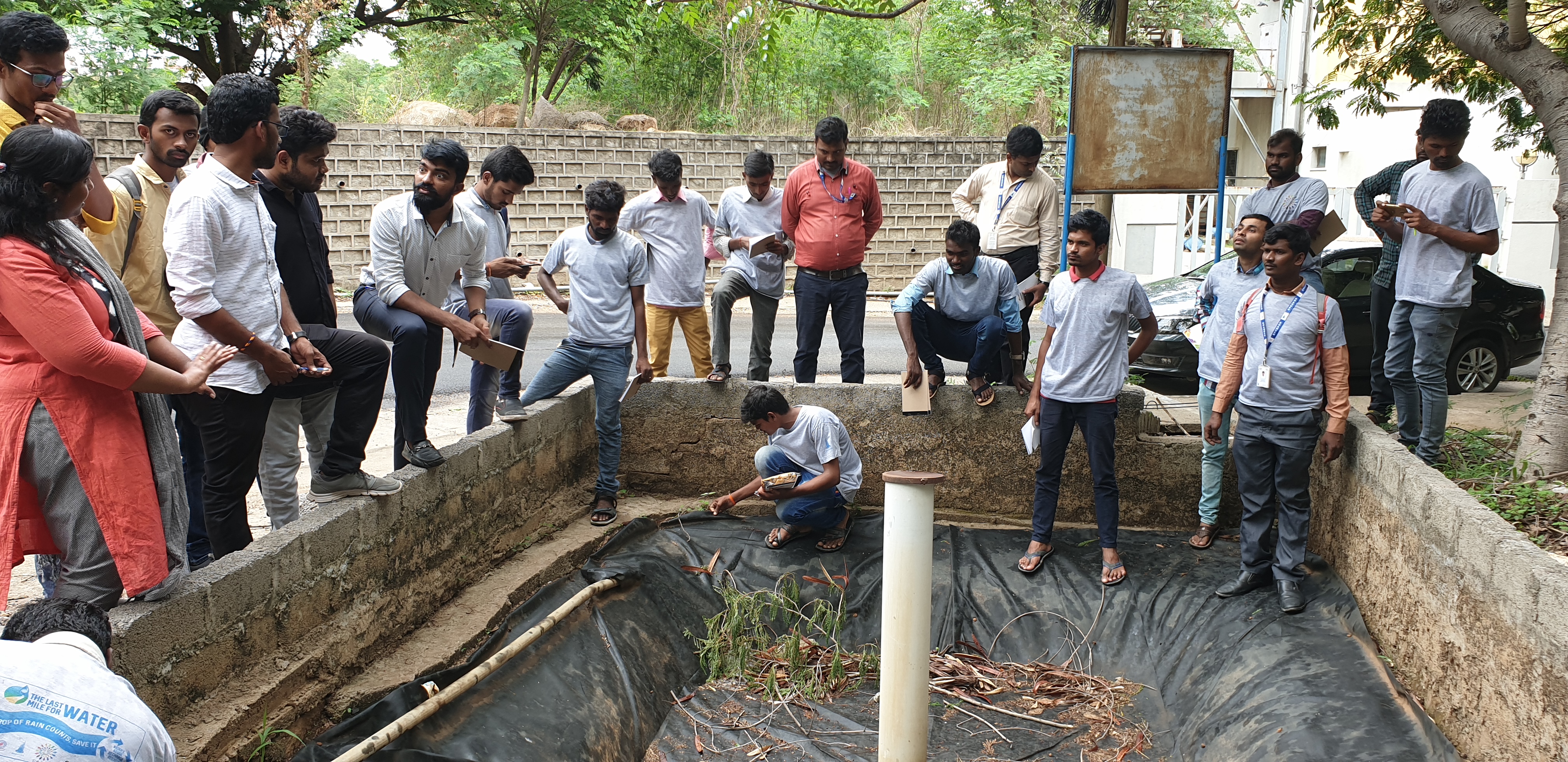
Students and teachers can participate in practical activities as part of educational projects, such as: Water-quality observations, Measuring pH and other simple water-quality parameters, Observing turbidity and water clarity, Mapping ponds, lakes and other water resources, Recording rainfall, Monitoring water use, Identifying sources of pollution, Biodiversity observations around local water bodies and Understanding climate-related changes affecting local water resources
Through these activities, students learn how to collect, record and analyse environmental information. Digital field guides, mobile applications, learning resources and other technology tools can support data collection and analysis with scientists and experts, supporting long term scientific studies.
These experiences help develop scientific inquiry, observation, critical thinking, collaboration, creativity, problemsolving and environmental responsibility. Citizen Science makes WASH education practical and meaningful while encouraging young people to become active contributors to healthier communities.
Project Objectives
- Build awareness and understanding of water, sanitation and hygiene and their importance for healthy communities.
- Develop knowledge about the relationship between clean water, sanitation, hygiene, health, ecosystems and community well-being.
- Promote water conservation and responsible water use.
- Encourage communities to protect local water sources and aquatic ecosystems.
- Build the capacity of students, teachers, lake stewards, Self-Help Groups, WASH champions and community members to take small positive actions/solutions.
- Promote community-based conservation and protection of local water resources.
- Increase understanding of water pollution and its impacts on people, communities and ecosystems.
- Promote safe sanitation and hygiene practices.
- Develop Citizen Science and STEM learning opportunities with students and teachers
- Increase awareness of climate change impacts on water availability, water quality, sanitation and community health.
- Promote community preparedness for water scarcity, flooding and other climate-related water risks.
- Encourage nature-based solutions for water conservation and climate resilience.
- Support community-led WASH action projects that are simple, achievable and locally relevant.
- Inspire individuals and communities to take small positive steps towards healthier water, cleaner surroundings and a more resilient future.
WASH Action Projects
The project encourages participants to move from knowledge to action through small positive steps.
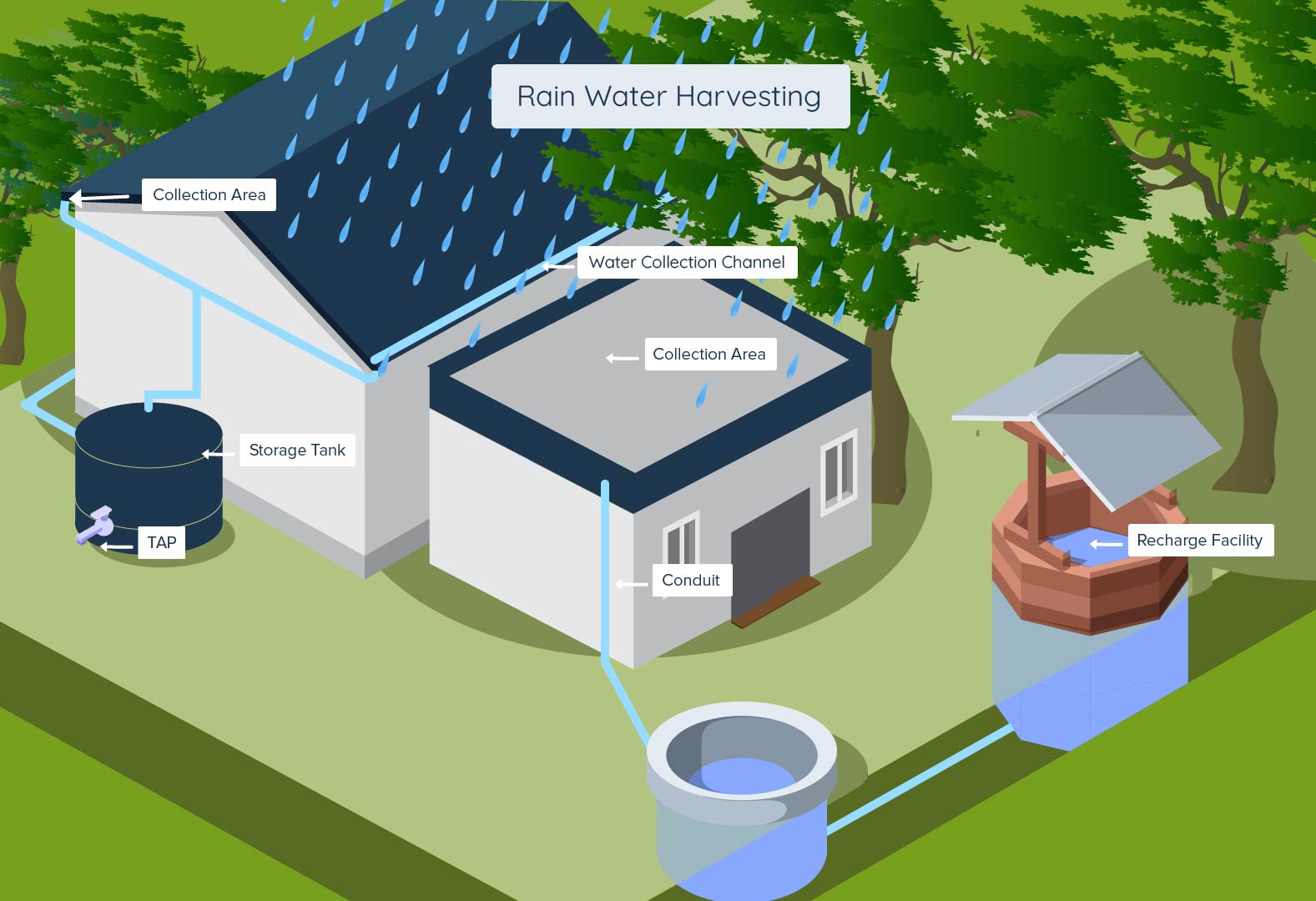
Clean Water - Examples of community-led action projects include: Map local water sources, Identify sources of water pollution, Promote safe drinking-water storage, Promote safe handling of drinking water, Conduct community waterconservation programmes, Promote rainwater harvesting and Develop local water-saving initiatives
Sanitation - Examples of community-led action projects include: Sanitation awareness programme, School sanitation programme, Promote responsible wastewater disposal, Prevent wastewater from entering local water bodies, Promote clean and safe surroundings and Develop community sanitation action plans
Hygiene - Examples of community-led action projects include: Handwashing awareness programmes, Demonstrations of effective handwashing, School hygiene programme, Safe food and water handling awareness, Household hygiene, Hygiene-learning activities for children and WASH awareness days
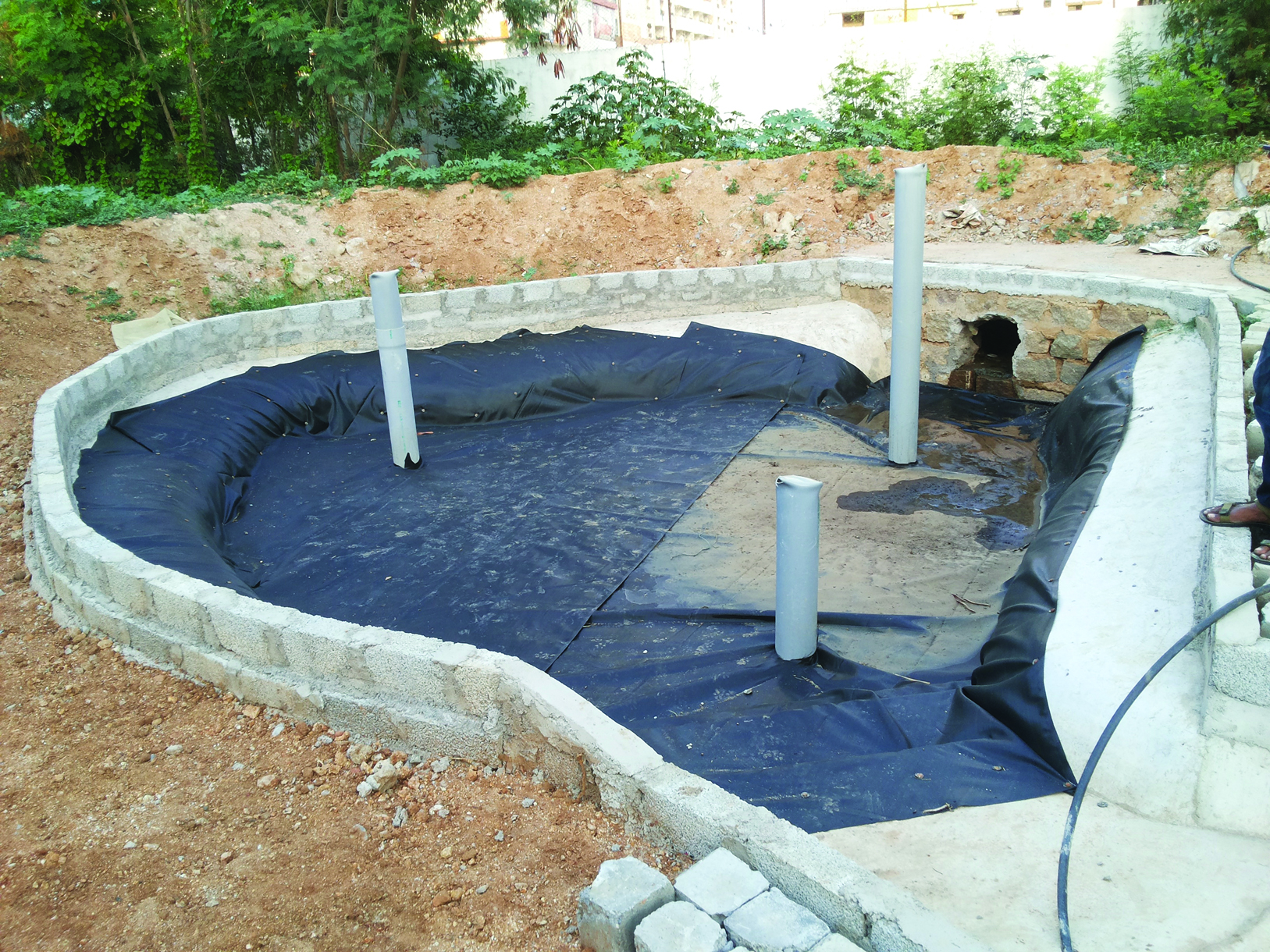
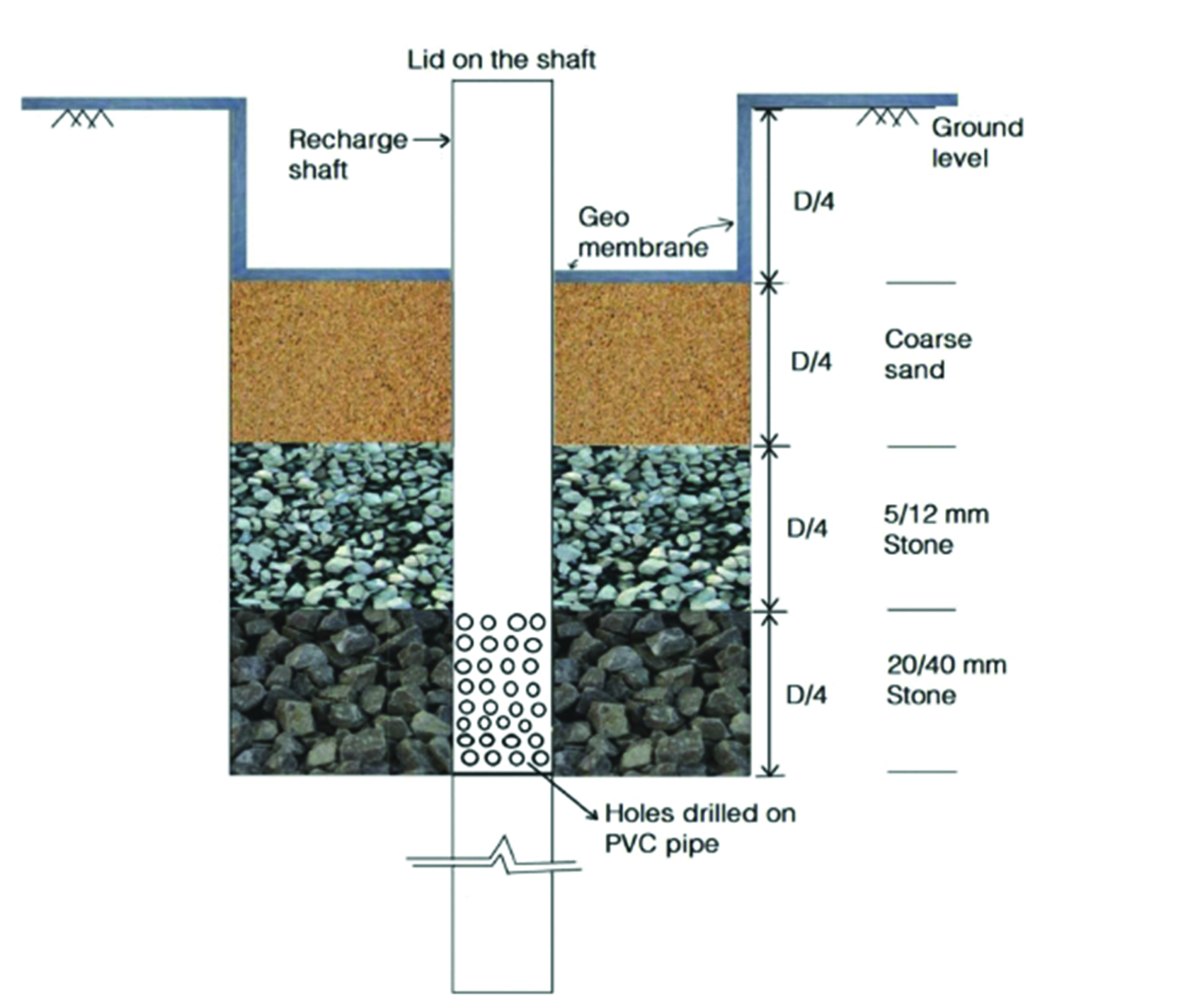
Water Conservation - Examples of community-led action projects include: Household water audits, School water audits, Water-saving programme, Rainwater harvesting, Reuse of suitable household water where safe and appropriate, Water-leak detection programme, Awareness on groundwater conservation and Community water budgeting and awareness
Environment and Water Protection - Examples of community-led action projects include: Lake, pond and wetland clean-ups, Preventing plastic and waste from entering drains, Native plantation around suitable water bodies, Protection of natural vegetation, Community biodiversity observations, Pollution-prevention programme and Local waterbody stewardship programmes
Climate-Resilience
Project Healthy Water, Sanitation and Hygiene aims to help communities understand and prepare for the changing water issues associated with climate change.
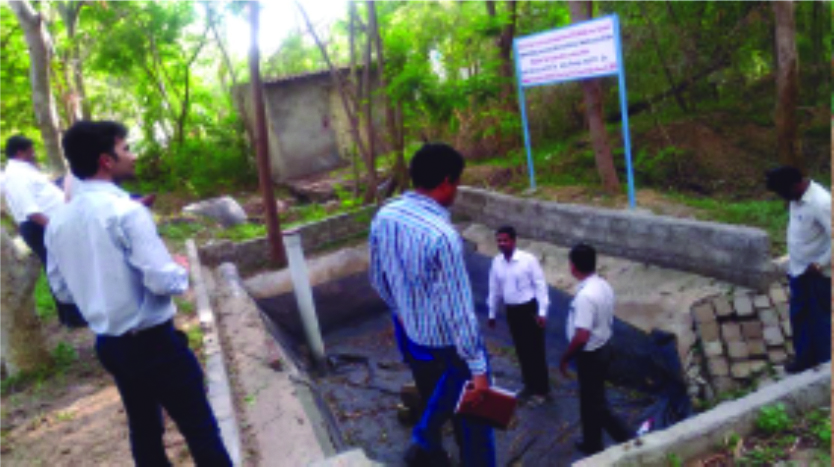
Communities can identify areas vulnerable to flooding and water scarcity, Local sources of drinking water, Potential sources of water contamination, Locations where waste enters drains and water bodies, Opportunities for rainwater harvesting and water conservation and Sanitation and hygiene practices.
Based on this understanding, communities can develop simple Climate-Resilient WASH Action Plans. These may include water conservation measures, protection of water sources, improved hygiene practices, pollution prevention, rainwater harvesting, community preparedness and nature-based solutions.
The project connects climate science, WASH education, local knowledge and positive actions. It enables people to understand that protecting water today can help communities become healthier and more resilient tomorrow.
Small Positive Steps Towards Healthy Water, Sanitation and Hygiene
Everyone can contribute to healthier communities through simple everyday actions. Examples of community-led programmes include: Use water responsibly, Do not waste drinking water, Keep drinking-water containers clean and covered, Wash hands at key times, Keep toilets and sanitation facilities clean, Do not throw waste into drains, ponds, lakes or other water bodies, Prevent pollutants and wastewater from entering water sources, Reduce plastic waste, Identify leaking taps and pipes, Support rainwater harvesting and water conservation, Participate in local clean-up and water-conservation activities, Teach children about clean water, sanitation and hygiene.
By working together, students, teachers, families, community organisations, Self-Help Groups, WASH champions and local institutions can become stewards of water and sanitation, helping build healthier communities, protect local water resources and strengthen climate resilience.
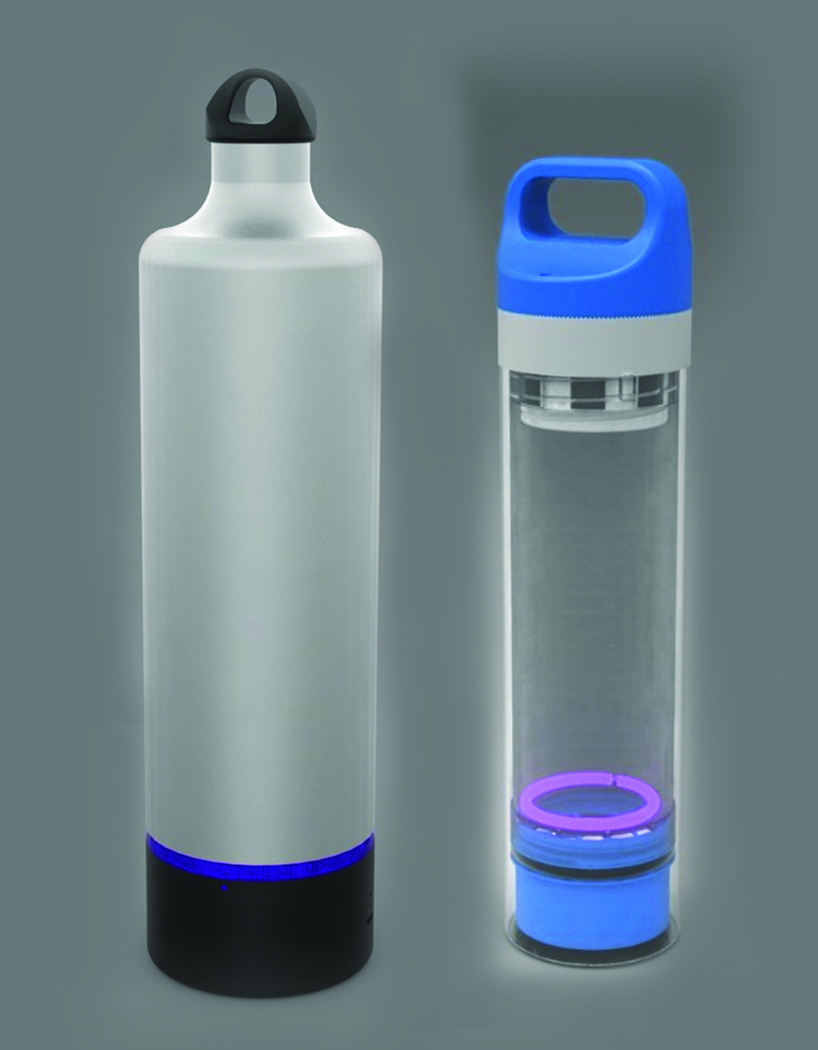
By using an educational water quality monitoring kit, students can measure multiple indicators of water quality. The data can be helpful for scientists studying ecosystem dynamics and long-term scientific research programmes and studies :
Citizen Science Water Quality Programme
| Data Set 1 | ||||||
|---|---|---|---|---|---|---|
| Date | Time | Particulate Matter PM2.5 | PM10 | Carbon Dioxide (CO2) | Temperature | Humidity |
| - | - | - | - | - | - | - |
| Data Set 2 | ||||||
|---|---|---|---|---|---|---|
| Date | Time | Particulate Matter PM 1 | Ozone (O3) | Carbon Monoxide (CO) | Nitrogen Dioxide (NO2) | Nitrogen Oxide (NO) |
| - | - | - | - | - | - | - |
| Sulfur | Dioxide (SO2) | Methane (CH4) | Benzene (C6H6) | Volatile Organic Compounds (VOCs) | ||
| - | - | - | - | - | - | - |
| Mercury (Hg) | Ammonia (NH3) | UV Radiation | Rainfall | |||
| - | - | - | - | - | - | - |
Contact Us
For information on Project Healthy Water, Sanitation and Hygiene and its educational resources, Citizen Science initiatives, community programmes, workshops and training and WASH-related action projects, please contact: Earthwatch Institute India at [email protected]