

Conservation of Waterbodies and
their Growing Importance in a Changing Climate
Overview
Project Lake, Wetland and Mangrove Conservation is designed with an aim to engage with a wide range of stakeholders, such as lake and wetland stakeholders, lake stewards, scientists, conservation professionals and practitioners, community partners, students and teachers. The project aims to build a better understanding of the important relationship between lakes, wetlands and mangroves, biodiversity conservation, water security, climate resilience, community well-being and environmental sustainability.
The project encourages learners to explore the ecological importance of aquatic ecosystems and the challenges they face through science-based activities, citizen science, community-based solutions and actions. By engaging as Citizen Scientists, students and teachers learn how healthy lakes, wetlands and mangroves provide essential ecosystem services, including water storage and recharge, flood regulation, shoreline protection, carbon storage, biodiversity habitat and opportunities for livelihoods and recreation.
The project provides opportunities for stakeholders to participate in practical learning experiences related to lake and wetland ecosystems, water quality, biodiversity, native species, mangrove conservation, habitat restoration, pollution prevention, climate change and ecosystem monitoring. Through observation, field studies, analysis and interactive educational activities, participants are encouraged to think scientifically, understand the environmental challenges affecting aquatic ecosystems and identify practical solutions.
The project promotes environmental responsibility and community stewardship, encouraging small positive actions that can help protect and restore lakes, wetlands and mangrove ecosystems and contribute towards water security, biodiversity conservation and climate resilience.
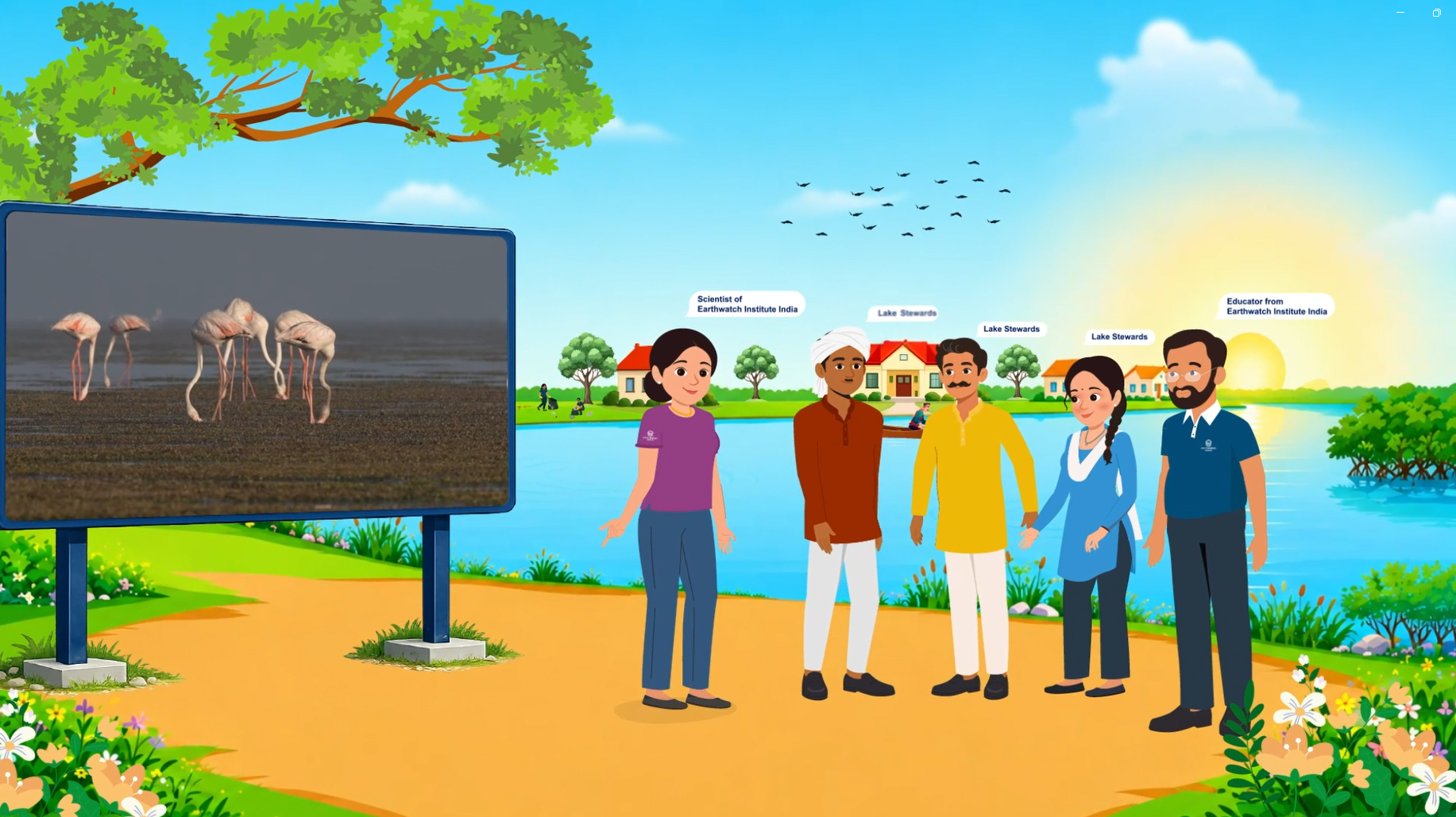
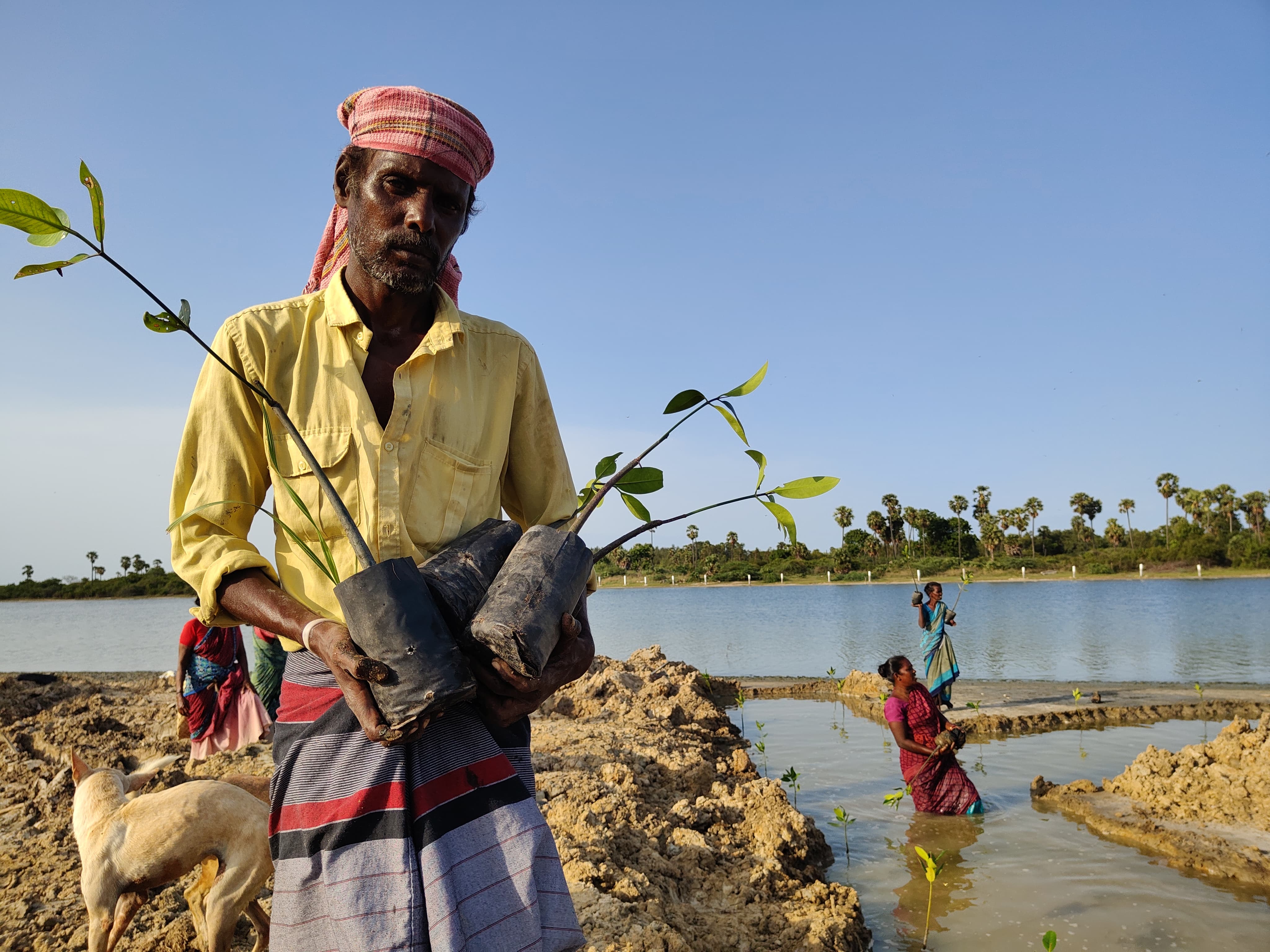
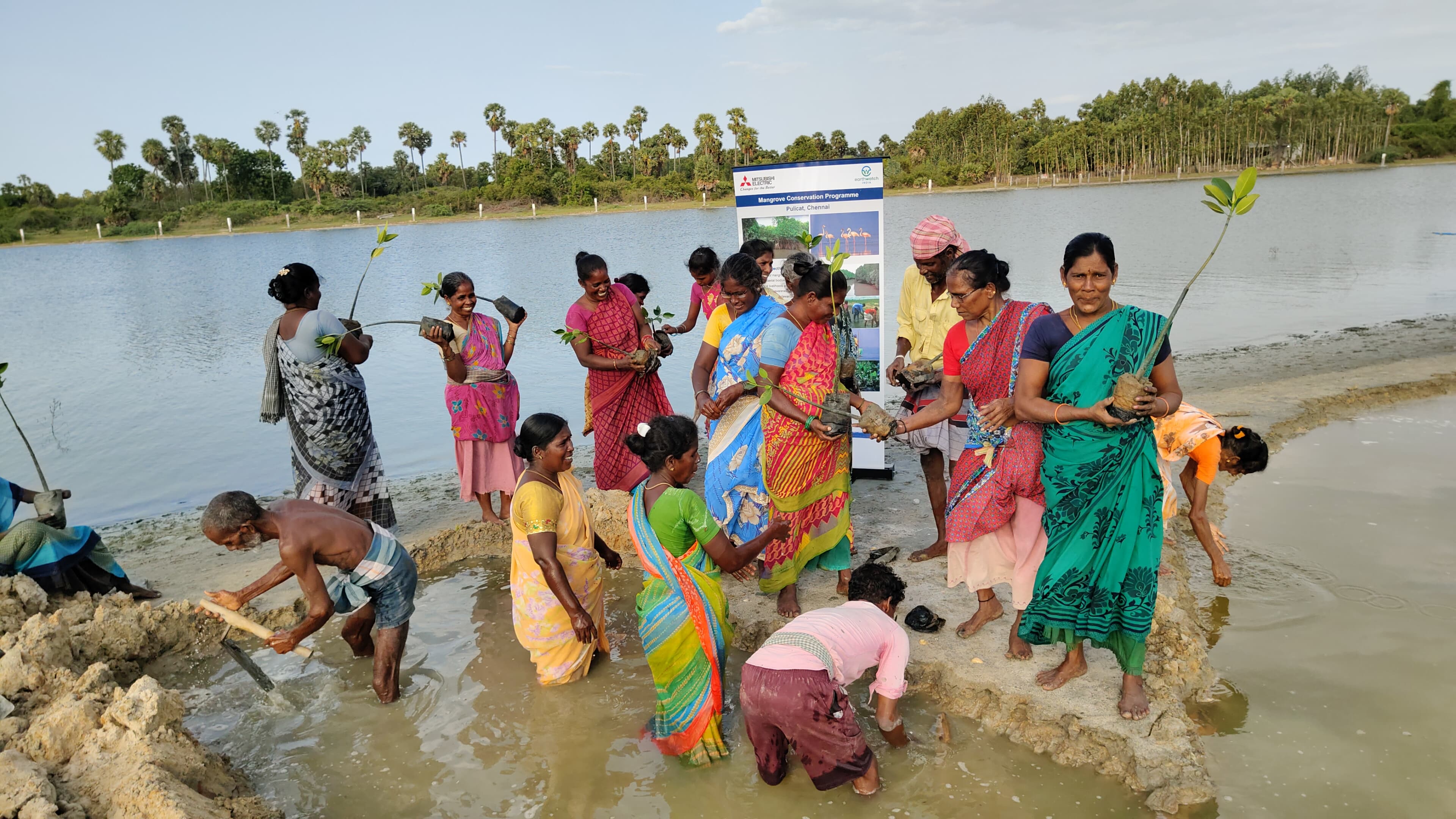
An important component of the project is community-based conservation and restoration. Local communities, lake stewards and Self-Help Groups are encouraged and supported to participate in activities such as lake and wetland cleanups, biodiversity monitoring, removal of invasive species, native species plantation, habitat improvement, mangrove restoration, protection of shoreline vegetation, prevention of pollution, education and awareness.
The project also focuses on capacity building of lake stewards and Self-Help Groups, enabling community members to develop the knowledge and practical skills required to understand, monitor, protect and restore local water bodies and their surrounding ecosystems. Through training, field-based learning, community partners can become local environmental stewards and contribute to the long-term sustainability of conservation efforts.
The project promotes environmental responsibility, community stewardship, encouraging small positive actions that can help protect and restore lakes, wetlands and mangrove ecosystems and contribute towards water security, biodiversity conservation and climate resilience.

Alignment with National Missions and Sustainable Development Goals SDGs
We aim at aligning Project Lake, Wetland and Mangrove Conservation with national missions and initiatives in India that support water conservation, aquatic ecosystem restoration, biodiversity conservation and climate action.
The project is particularly relevant to programmes and initiatives such as the National Plan for Conservation of Aquatic Ecosystems (NPCA), Jal Shakti Abhiyan: Catch the Rain, Mission Amrit Sarovar, Swachh Bharat Mission, National Wetland Conservation Programme, Green India Mission and national initiatives for wetland and mangrove conservation
Project Lake, Wetland and Mangrove Conservation also aims to explore convergence with the Sustainable Development Goals, particularly: SDG 6 – Clean Water and Sanitation,
SDG 11 – Sustainable Cities and Communities, SDG 13 – Climate Action, SDG 14 – Life Below Water and SDG 15 – Life on Land.
The project contributes to the broader objectives of ecosystem restoration, biodiversity conservation, climate resilience, sustainable water management and community participation.
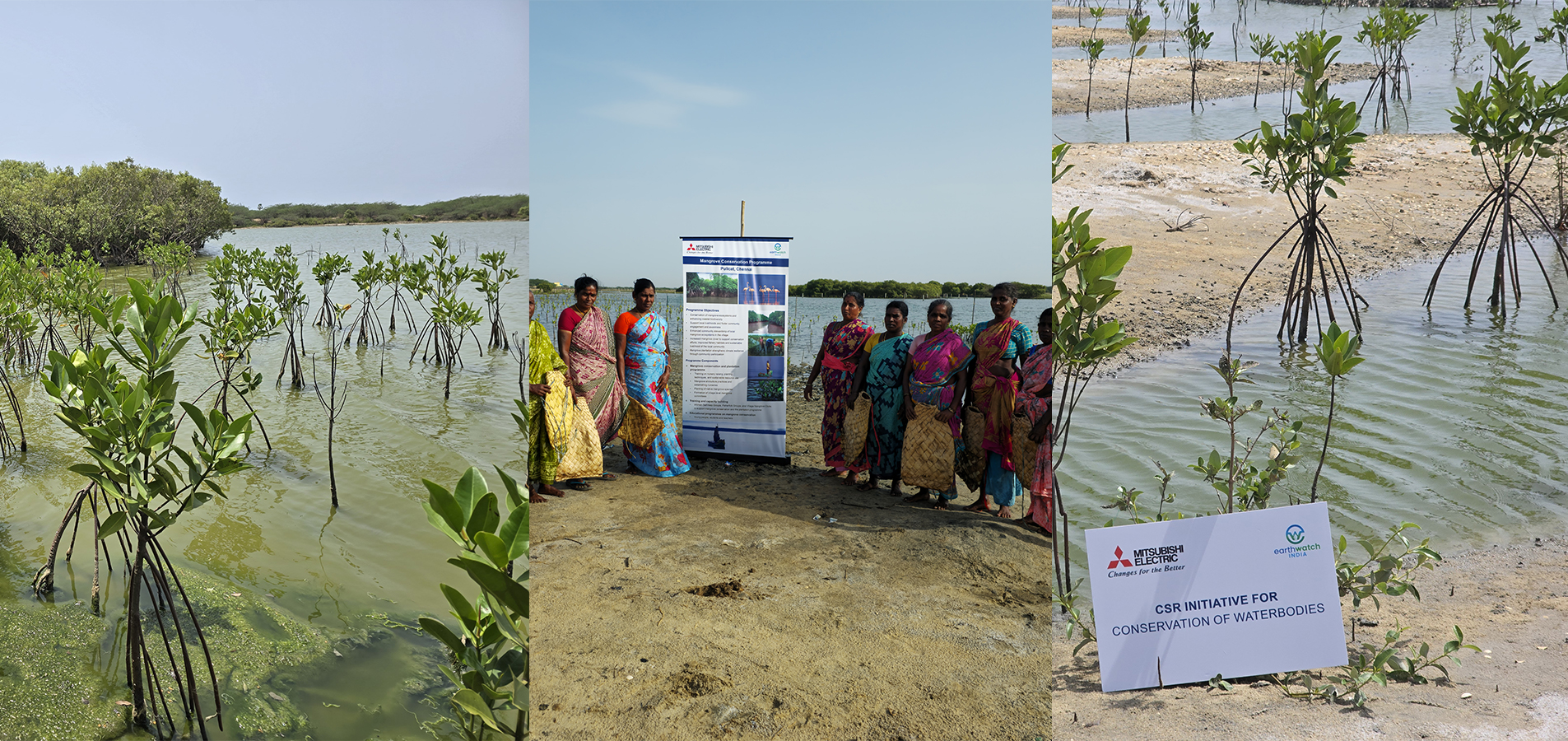
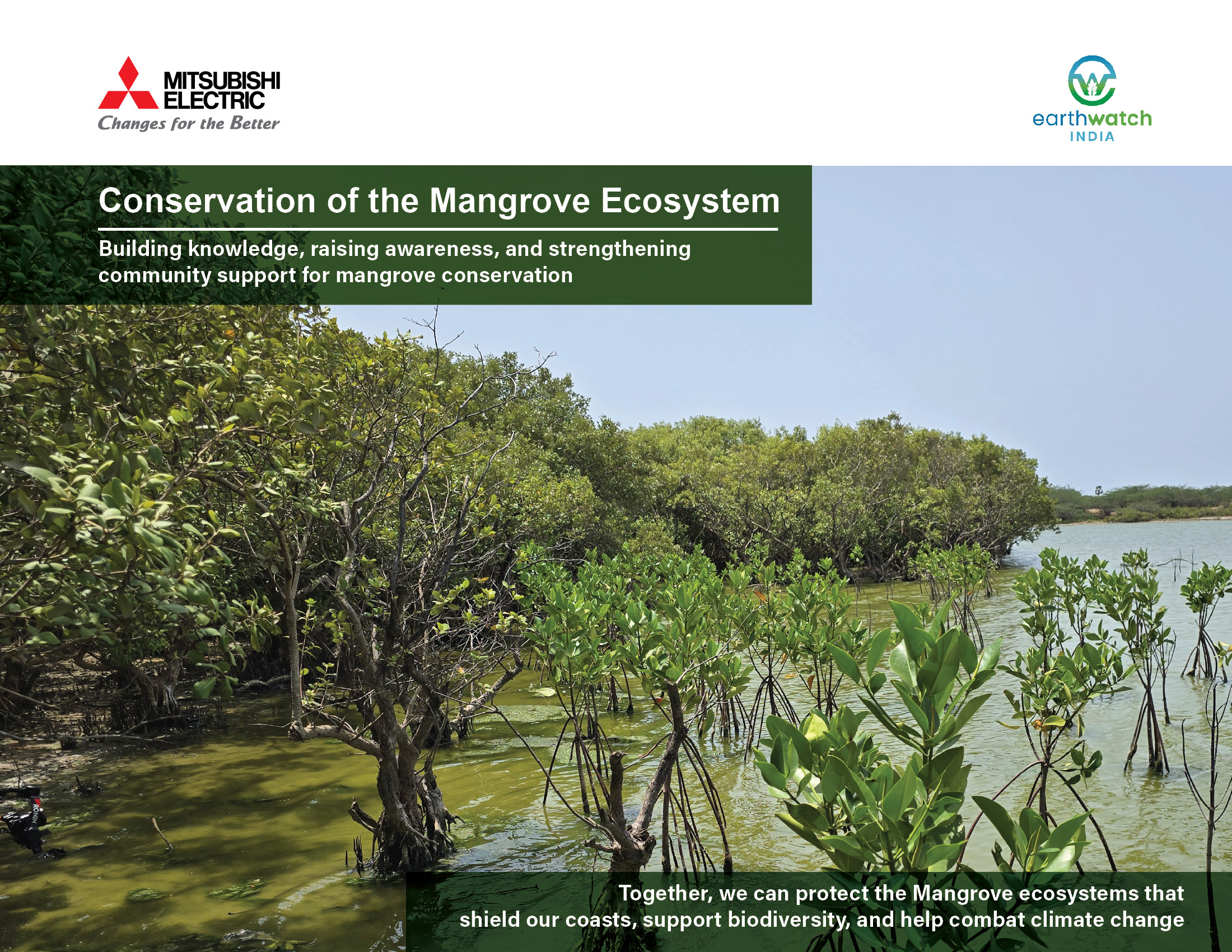
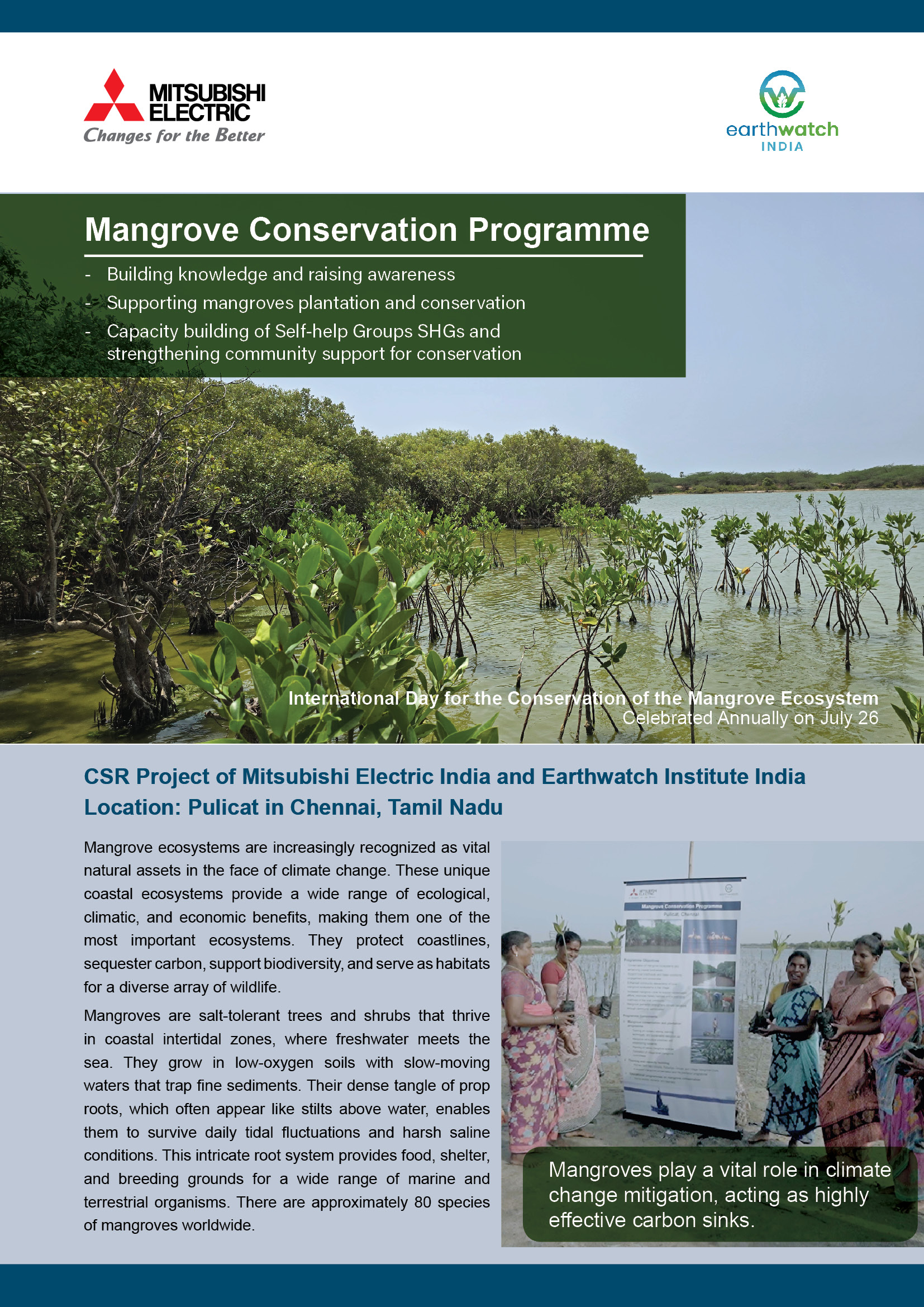
Restoration of Mangroves to Support Coastal Ecosystem and Strengthen Climate Resilience
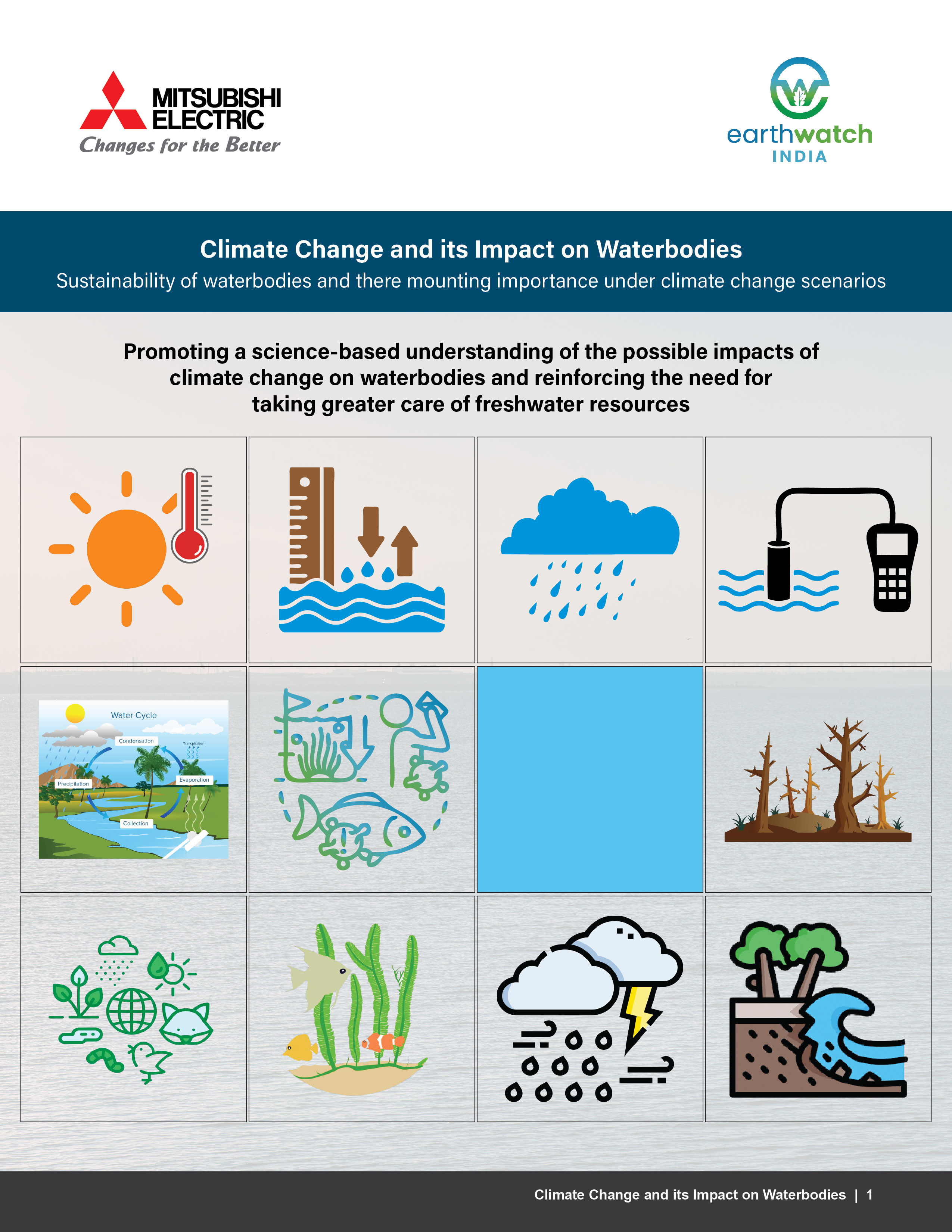
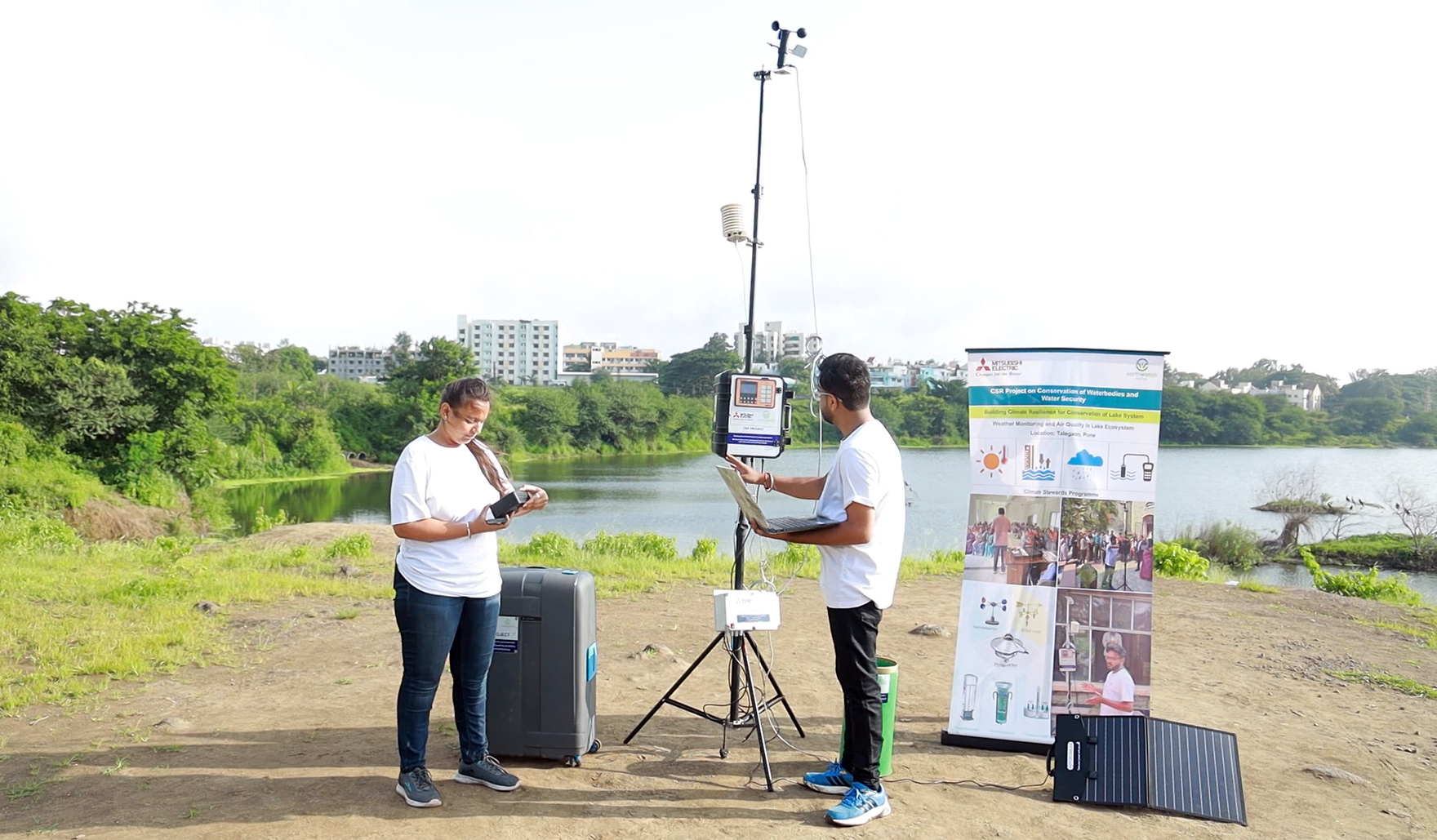
Climate change is changing the way communities experience water, weather extreme weather events. Increasing temperatures, changing rainfall patterns, flooding, droughts, coastal storms, sea-level rise and other climate-related pressures are placing stress on lakes, wetlands and mangrove ecosystems. At the same time, these ecosystems can play an increasingly important role in helping communities adapt to and respond to climate change.
Healthy lakes and wetlands act as natural water-management systems. They can store excess water during heavy rainfall, support groundwater recharge, help regulate water availability and provide habitats for biodiversity. By protecting and restoring these ecosystems, communities can strengthen local water security and reduce vulnerability to floods and periods of water scarcity
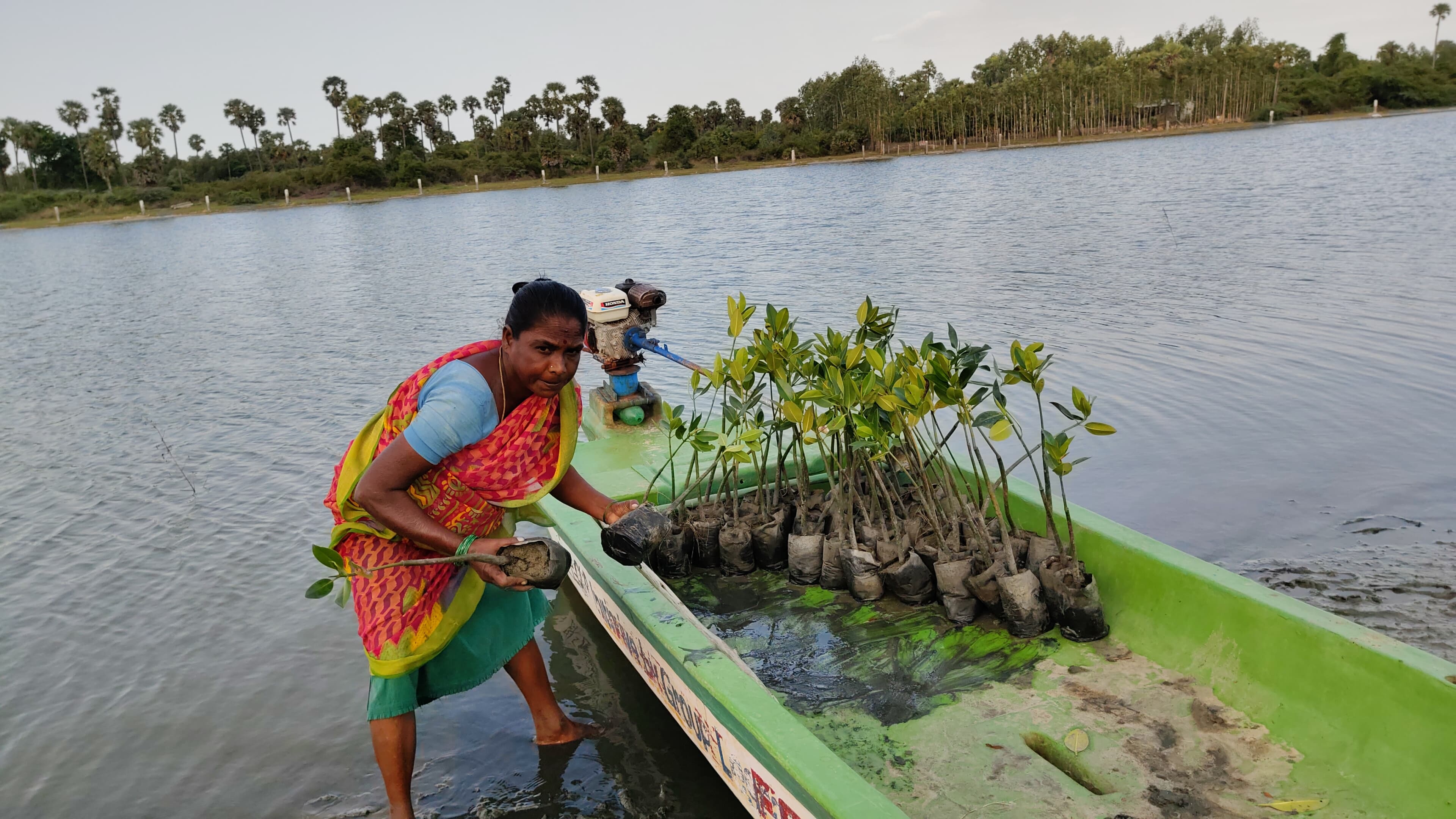
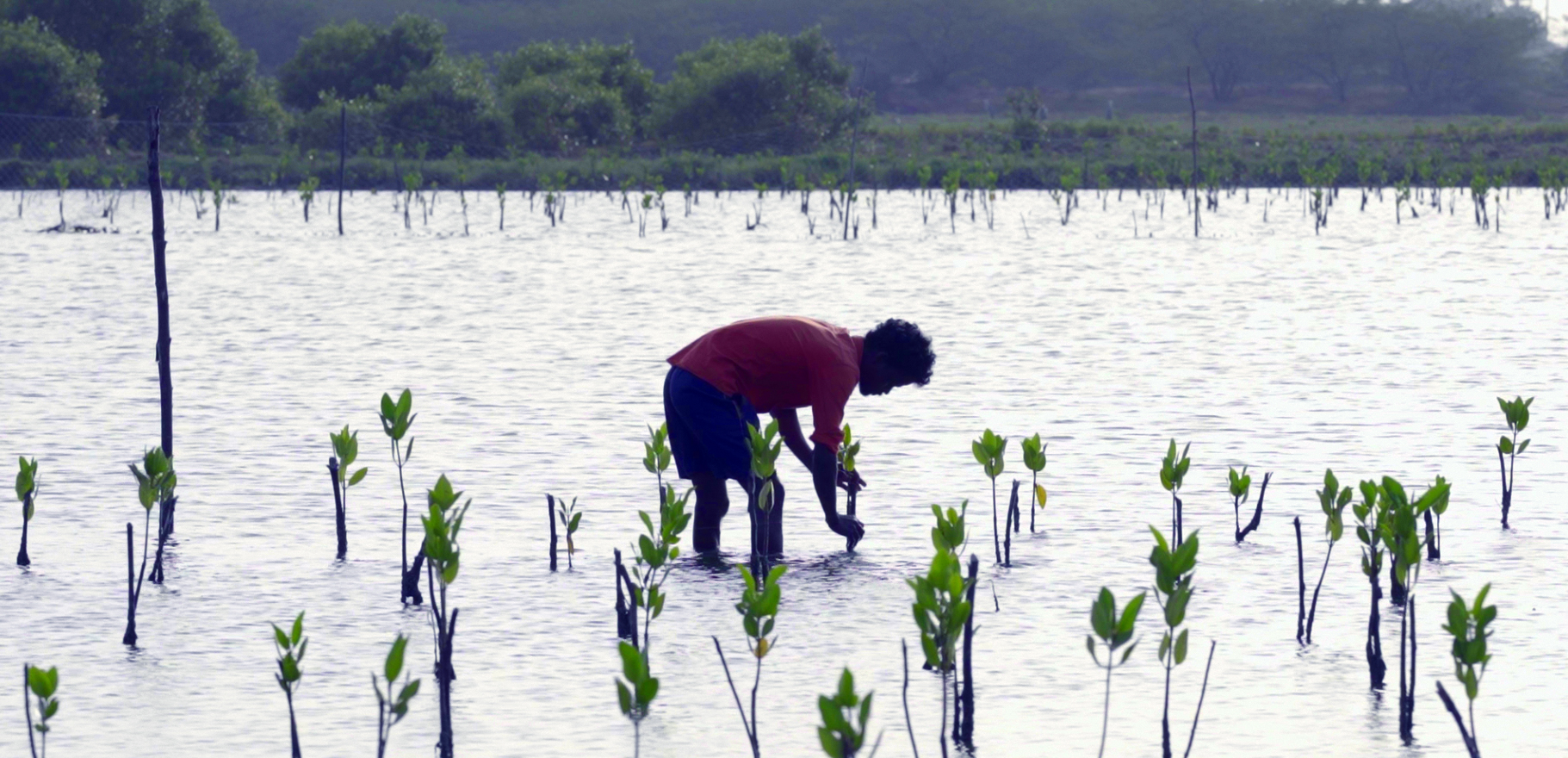
Mangroves are particularly important for climate resilience in coastal areas. Their dense root systems help stabilise shorelines and reduce the impacts of waves, storms and coastal flooding. Mangrove ecosystems also store significant amounts of carbon in their vegetation and soils, making their conservation and restoration important for both climate adaptation and mitigation.
This emerging understanding creates an inspiring opportunity to engage communities. Protecting a lake is not only about conserving a water body; it is about protecting water security and biodiversity. Restoring a wetland is not only about restoring habitat; it is about strengthening a natural buffer against floods and droughts. Restoring mangroves is about protecting coastlines, livelihoods and communities while contributing to climate action.
The project promotes a shift from viewing lakes, wetlands and mangroves simply as areas requiring conservation to recognising them as natural assets and nature-based solutions for building climate-resilient communities.
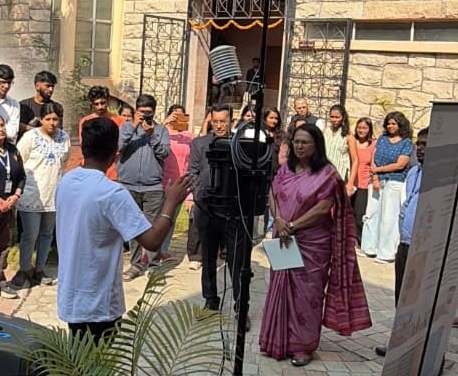
Through Citizen Science, community-based conservation, restoration activities and capacity building, local communities can become active participants in understanding and protecting these ecosystems. Lake stewards, Self-Help Groups, students and teachers are trained as part of this project to support lake conservation and restoration programmes.
This approach connects climate science with local knowledge and community action. It enables people to see the connection between the health of their local ecosystem and their own water security, livelihoods, safety and quality of life.
The project aims to inspire communities to ask not only “How can we protect our lake, wetland or mangrove?”, but also “How can our lake, wetland or mangrove help our community become more resilient to climate change?” This perspective can transform conservation from an environmental activity into a shared community effort for a safer, healthier and more climate-resilient future.
Educational and Interactive Learning Resources
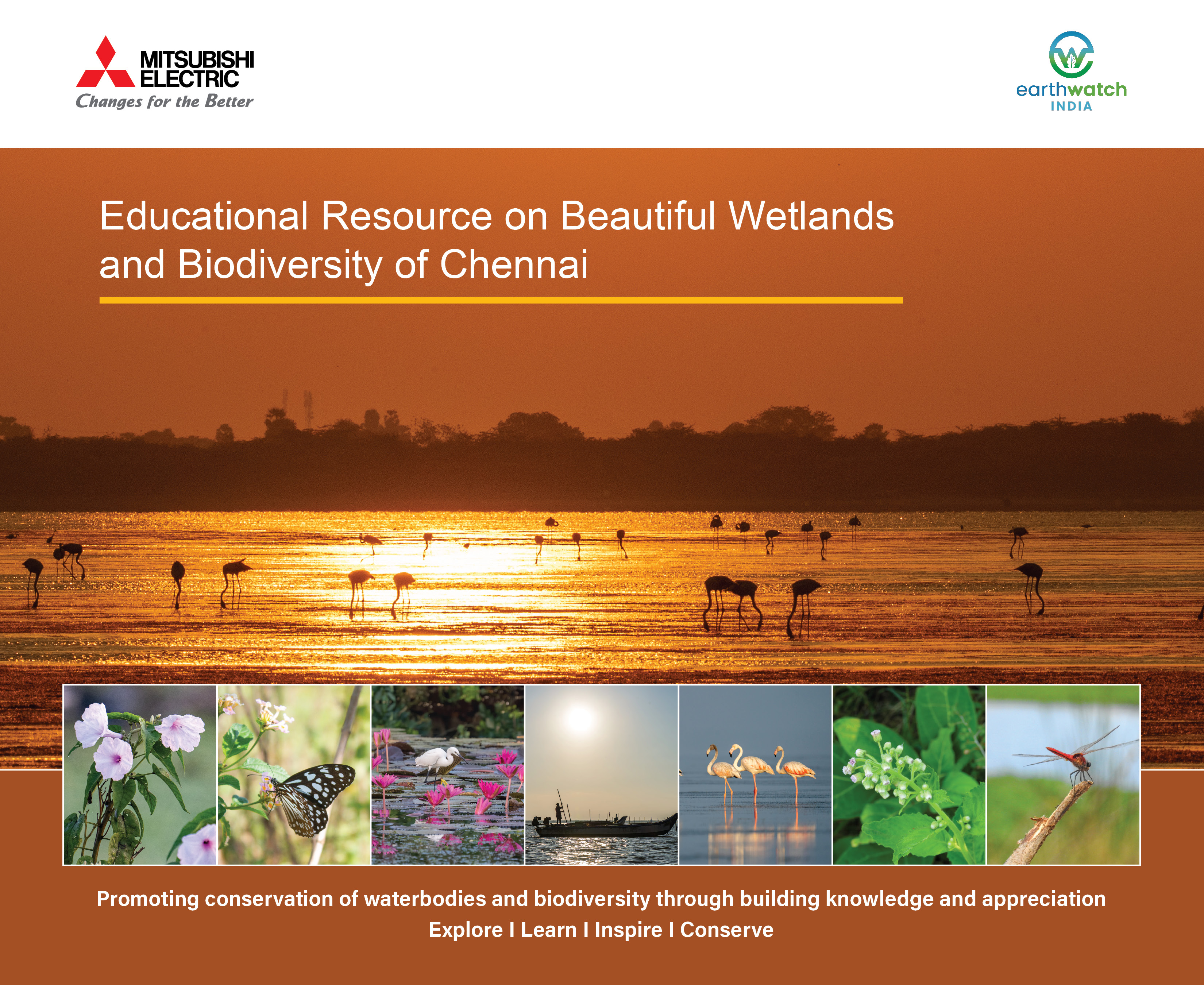
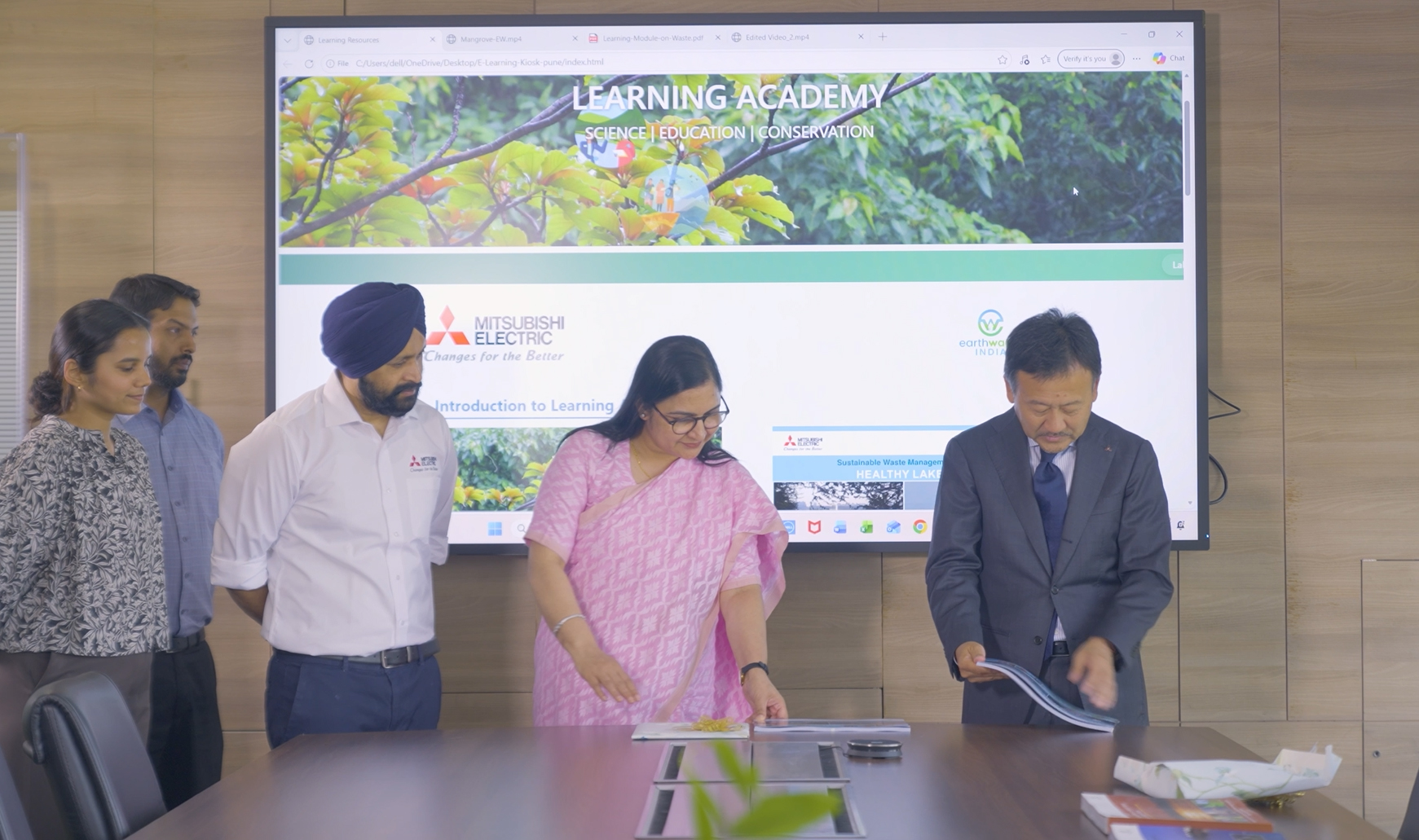
Project Lake, Wetland and Mangrove Conservation is supported by interactive learning resources, educational modules, science-based animation programmes, digital field guides and technology tools.
Workshops and training programmes provide lake stewards and local stakeholders with practical learning experiences related to lake conservation, wetland ecology, mangrove restoration, biodiversity, water quality, ecosystem and climate resilience.
The project encourages participants to learn through direct observation and field-based activities and to use scientific information and locally collected data to understand local issues and develop practical conservation solutions. Digital learning resources and Citizen Science tools further enable students and communities to contribute to the understanding and conservation of local ecosystems.
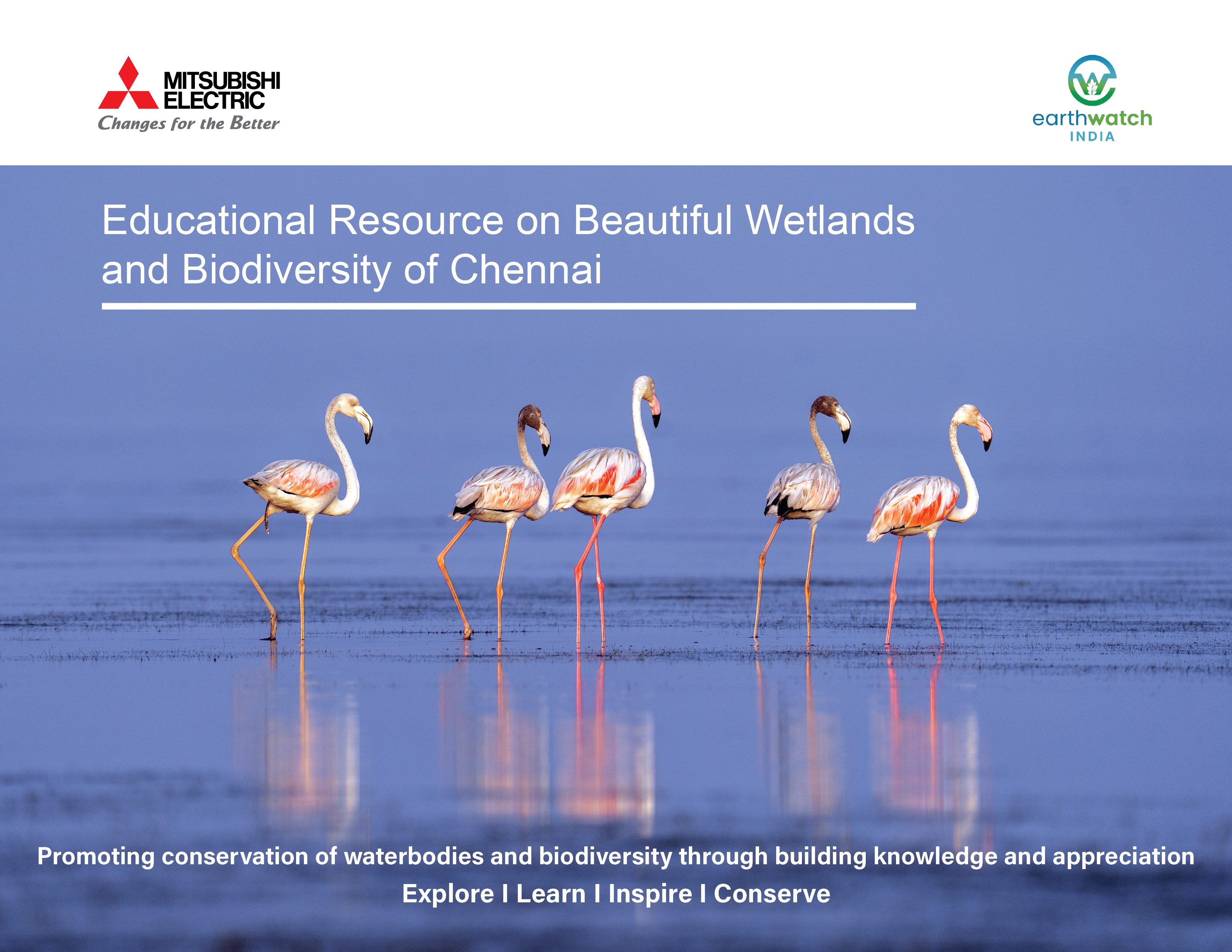
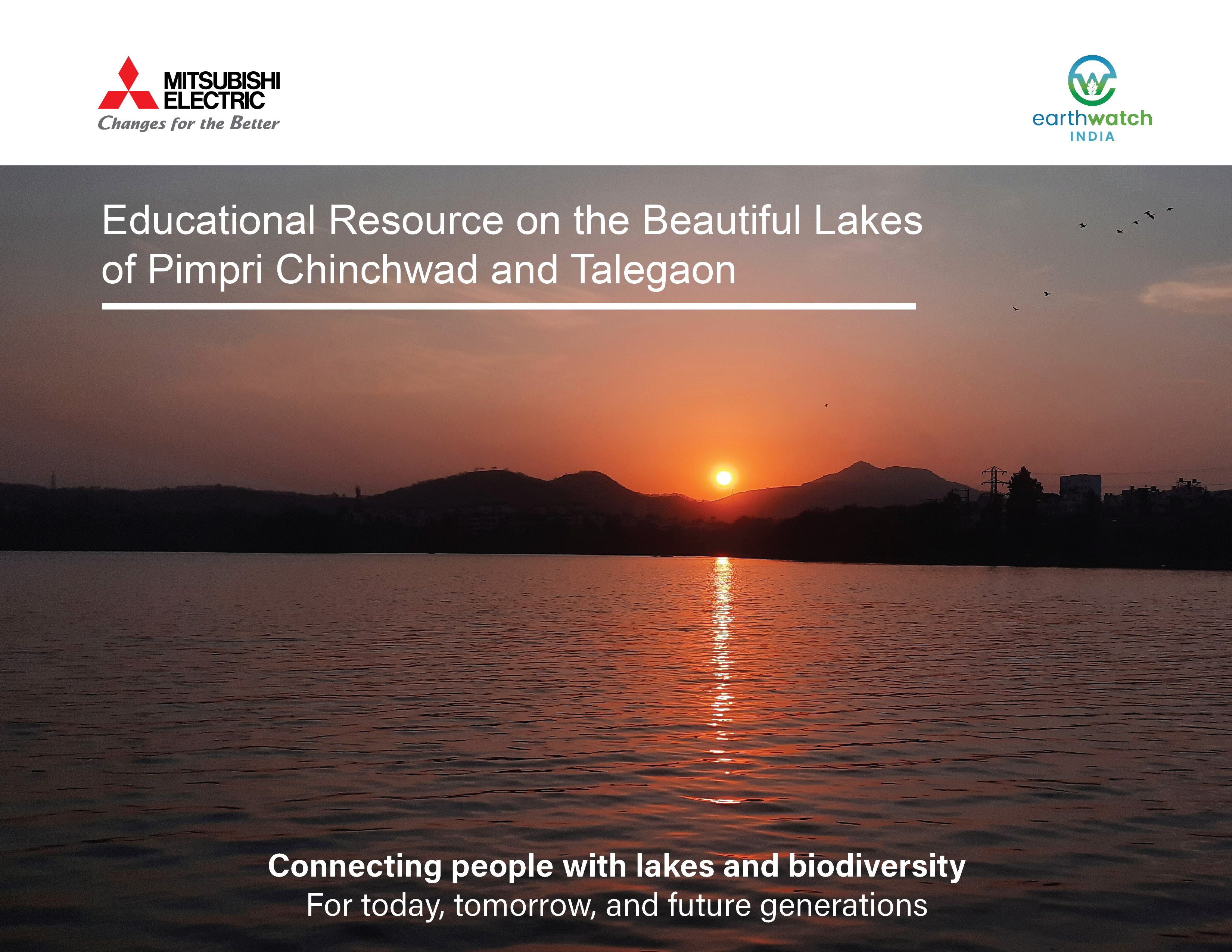
Audio Visuals
Field Guides
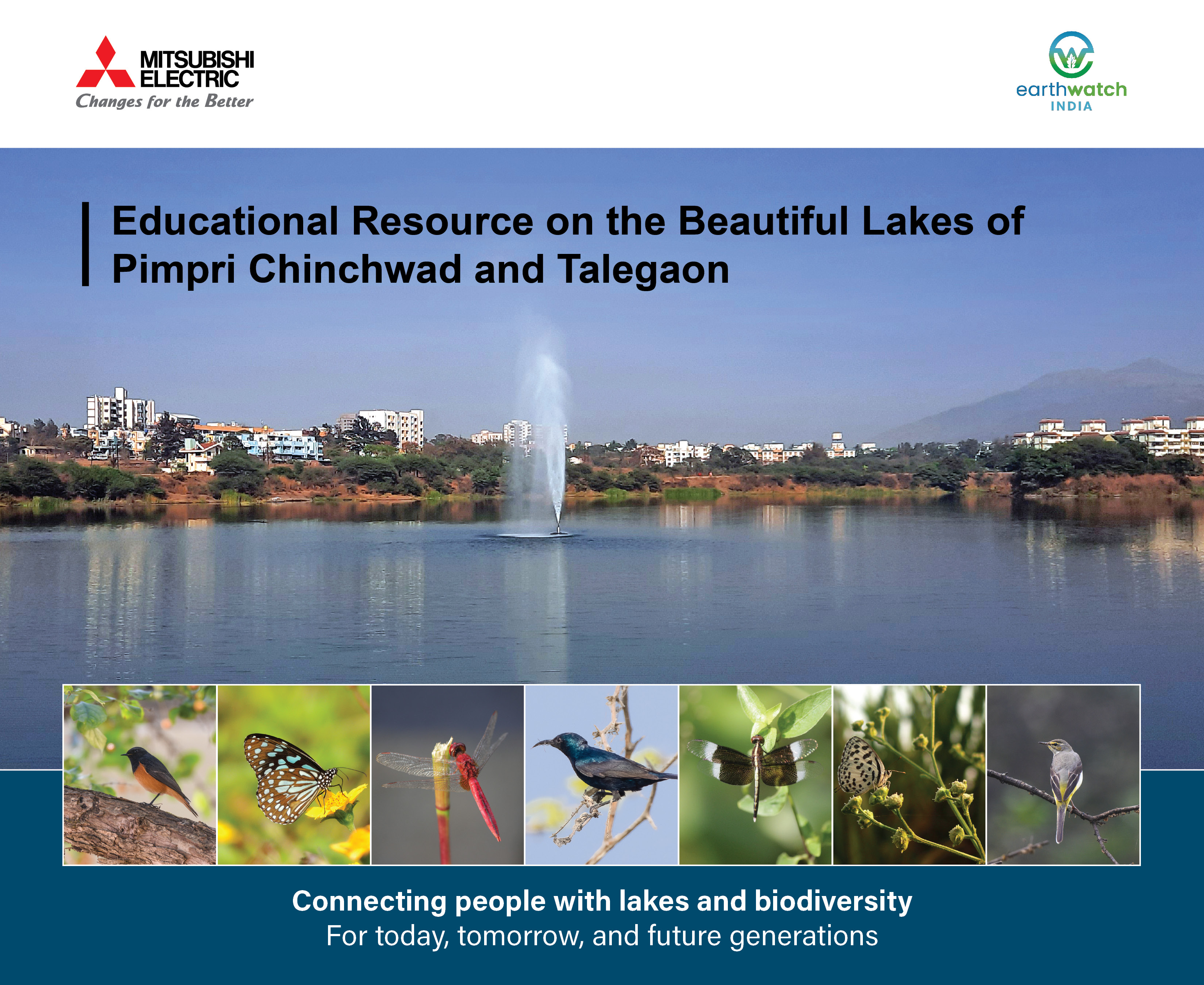
Community-Based Conservation and Restoration Programmes
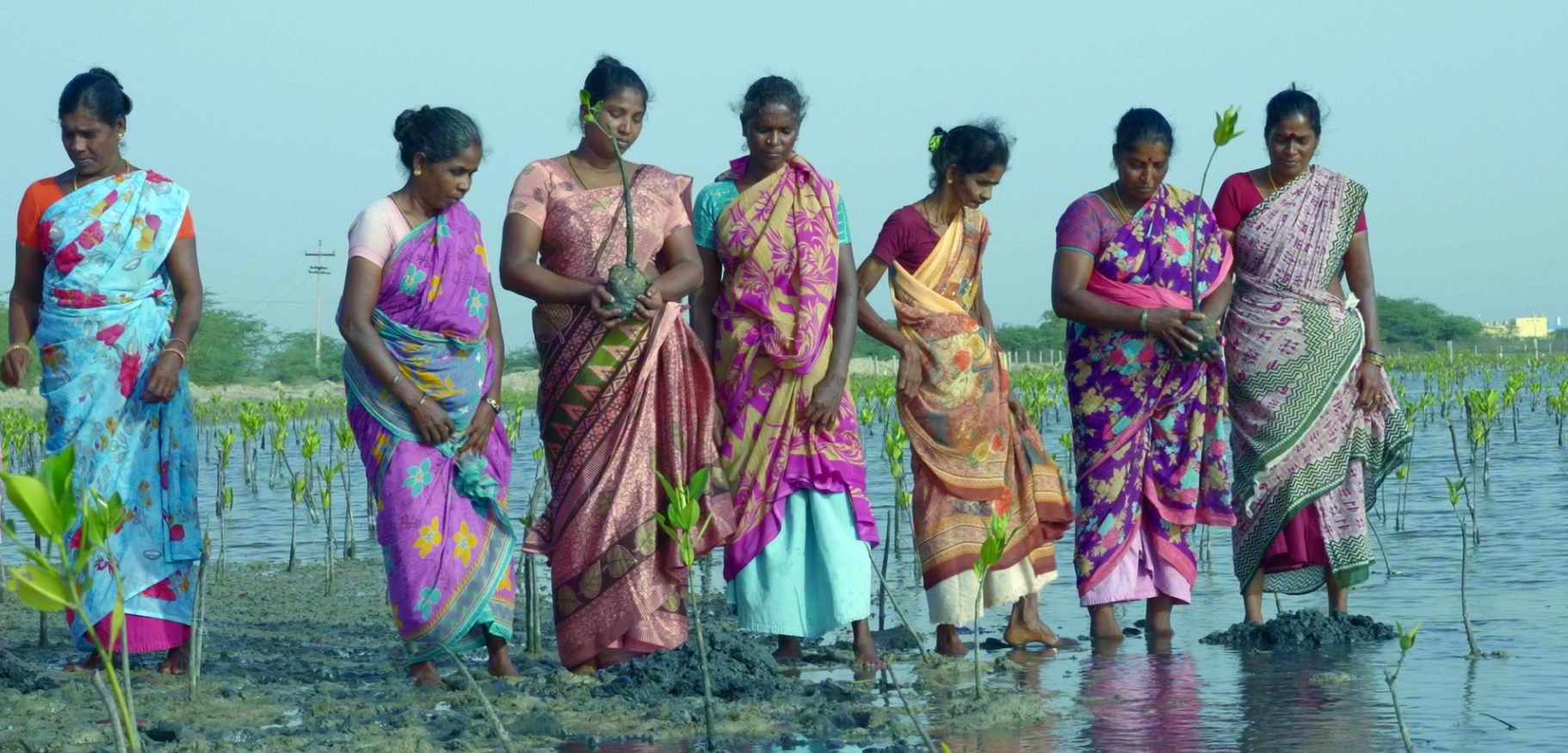
Lake stewards and Self-Help Groups play an important role in the long-term conservation and restoration efforts. Project Lake, Wetland and Mangrove Conservation therefore includes capacity building and training programmes designed to strengthen their knowledge, skills and confidence to participate in environmental stewardship.
Training and field-based learning includes - Understanding the lake, wetland and mangrove ecosystems, Lake and wetland mapping and documentation, Identifying conservation issues, Biodiversity identification and monitoring, Mangrove ecology, restoration and monitoring, Native species identification and plantation, Invasive species identification and management, Habitat for Birds, bees and butterflies, Understanding climate change impacts on aquatic ecosystems, Nature-based solutions and ecosystem restoration, Waste and plastic pollution prevention, Community mobilisation and environmental awareness, Developing local lake and wetland conservation action plans, Monitoring and documenting conservation and restoration programmes.
Capacity building enables lake stewards and SHGs to become local knowledge partners and environmental champions, helping bridge the gap between communities, educational and conservation practitioners and local institutions. Capacity building programmes also introduce the concept of ecosystem-based adaptation, helping lake stewards and SHGs understand how conservation and restoration of natural ecosystems can reduce climate risks while delivering benefits for biodiversity, water security and community well-being. Training includes identifying climate-related issues, monitoring ecosystem changes, supporting nature-based solutions and developing simple community-level climate resilience programmes.
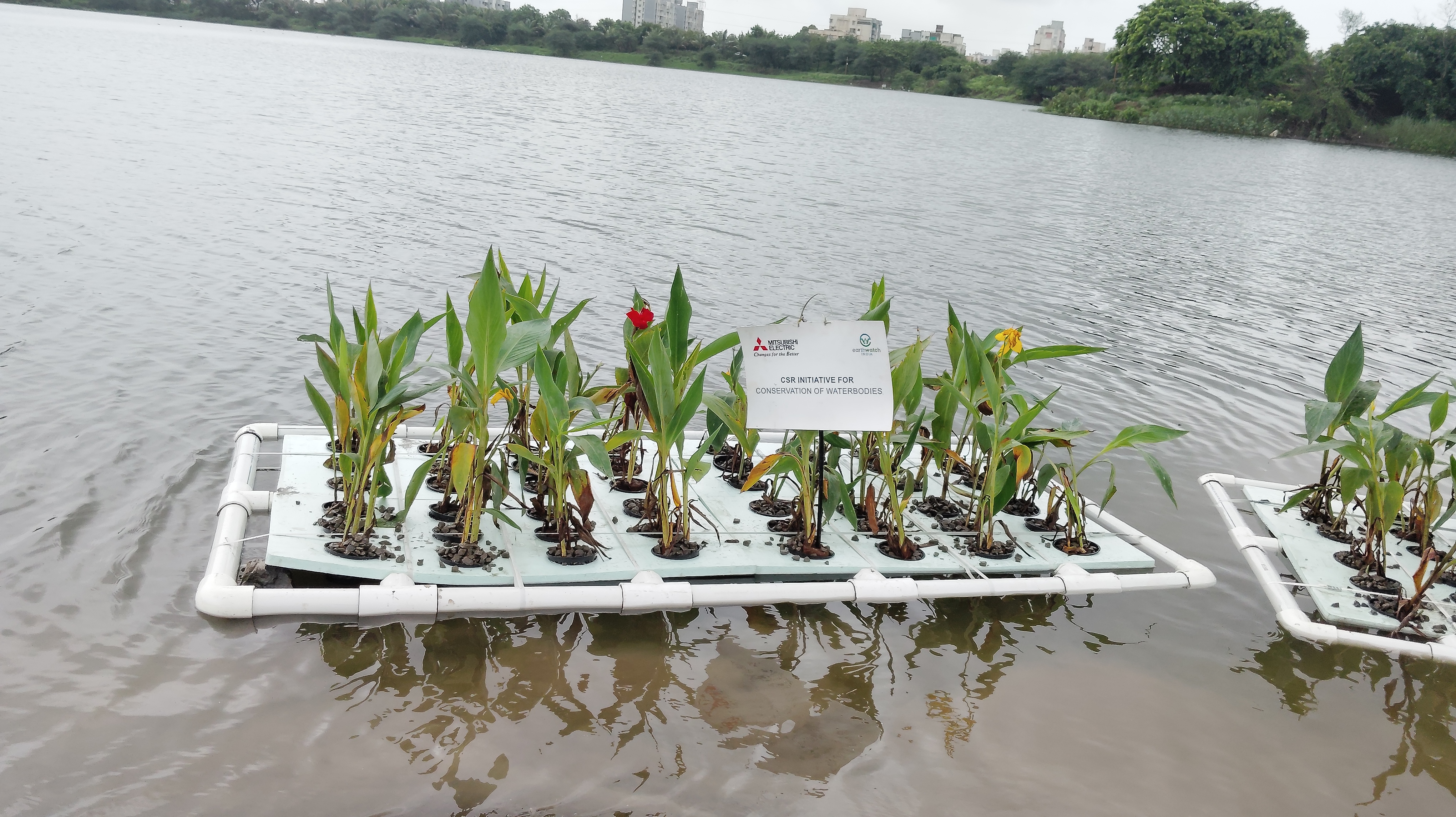
Floating Floriculture Technique
- An Innovative, Nature Based solution
Floating floriculture involves growing selected plants and flowering species on specially designed floating platforms placed on the surface of a lake. While the plants grow above the water, their roots extend into it, helping absorb excess nutrients and creating a habitat for beneficial microorganisms and aquatic life. Floating floriculture technique helps absorb nutrients such as nitrogen and phosphorus from the water. This helps reduce excess nutrients that contribute to algal growth and declining water quality. The roots provide surfaces for beneficial microorganisms, which can help break down organic matter and support natural water-cleaning processes.
Floating floriculture creates small habitats for insects, pollinators and aquatic organisms, helping to enhance local biodiversity. Flowering plants add colour and beauty, making lakes more attractive and encouraging communities to reconnect with their waterbodies. Floating floriculture can also create opportunities for local communities and self-help groups through plant cultivation, maintenance and monitoring. Floating floriculture is about using nature to restore nature — creating healthier lakes, richer biodiversity and stronger, more resilient communities.

Protecting water bodies through sustainable management of water hyacinth and other invasive plant species
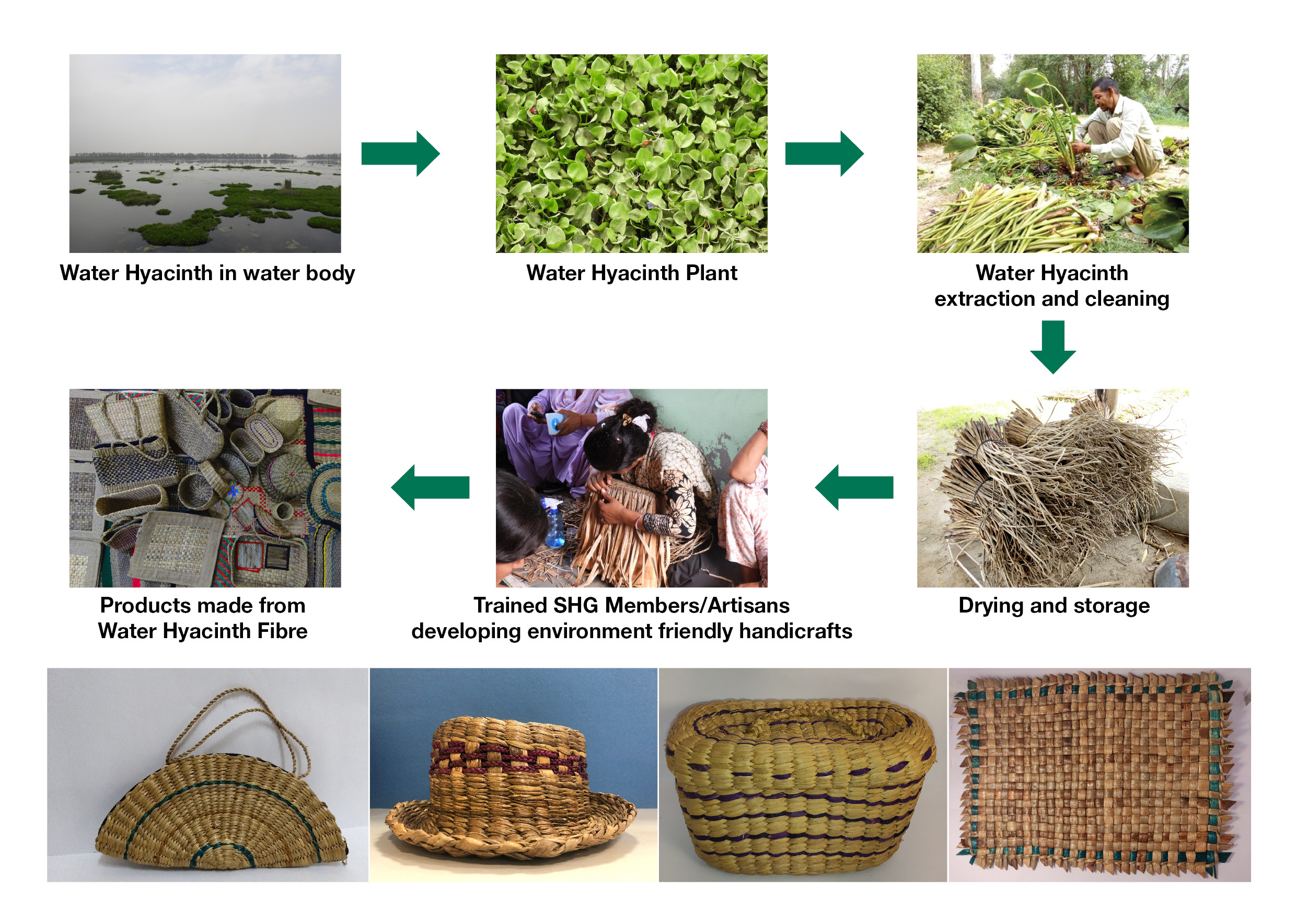
A healthy lake depends on a delicate balance of native plants, aquatic life and clean water. Invasive species such as water hyacinth can quickly disrupt this balance. Water hyacinth can form dense mats on the water surface, blocking sunlight and reducing oxygen levels. This can affect fish, aquatic organisms and native vegetation, reduce biodiversity, interfere with water flow, and ultimately impact the ecological health of the lake. Managing invasive species is therefore an important part of lake conservation. The real opportunity lies in involving local communities in a sustainable approach to managing these plants.
With the right training and skills, community members can learn to collect, process and transform water hyacinth into useful, eco-friendly products such as baskets, mats, bags and other handicrafts. This can create livelihood opportunities while reducing the pressure of invasive species on the lake. In this way, lake conservation becomes more than an environmental effort—it becomes a community-led initiative. By connecting people with the lake, building skills and creating sustainable livelihoods, we can turn an ecological issue into an opportunity. When communities become stewards of their lakes, conservation becomes a shared responsibility—helping restore healthier lakes and build a more resilient future.
Citizen Science and STEM Education
The Citizen Science approach within Project Lake, Wetland and Mangrove Conservation strengthens STEM learning by connecting classroom education with real-world conservation issues affecting lakes, wetlands and coastal ecosystems.
Students and teachers participate in practical science-based activities such as biodiversity surveys, water-quality monitoring, bird and butterfly observations, tree and plant identification, mangrove monitoring, habitat assessments, mapping of water bodies, rainfall observations and climate-related monitoring.
Through these activities, students learn how to collect, record and analyse environmental data and understand changes taking place within local ecosystems. Digital field guides, mobile applications, e-learning resources and other technology tools further support data collection and learning.
These experiences help develop scientific inquiry, observation, critical thinking, collaboration, creativity, problem-solving and environmental awareness. The project makes STEM education more engaging and meaningful while encouraging students to become active contributors to the conservation of their local natural environments.
Project Objectives
- Conservation and restoration of lakes, wetlands, mangroves and their surrounding biodiversity.
- Build the capacity of lake stewards, Self-Help Groups and community members to participate effectively in ecosystem conservation and restoration.
- Understanding the role of aquatic ecosystems in water security, biodiversity conservation, climate resilience and community well-being.
- Emerging role of lakes, wetlands and mangroves as nature-based solutions for climate adaptation and mitigation, including flood protection, shoreline stabilisation and carbon storage.
- Plantation and protection of native species and restoration of habitats.
- Nature-based solutions for improving ecosystem health and strengthening climate resilience.
- Increase awareness about the impacts of invasive species, pollution, waste and climate change on aquatic ecosystems.
- Knowledge and awareness about the ecological, social and economic importance of lakes, wetlands and mangroves.
- Strengthen the understanding of the relationship between healthy ecosystems, human well-being, water security, biodiversity and sustainable development.
- Citizen Science programmes for student and teachers to develop knowledge and skills related to biodiversity assessment, habitat and water-quality monitoring and ecosystem mapping.
- Inspire various stakeholders to take small positive steps towards protecting and restoring local ecosystem.
Small Positive Steps Towards Lake, Wetland and Mangrove Conservation
CAll of us can contribute towards protecting lakes, wetlands and mangroves through small positive actions in our everyday lives. Avoiding littering, reducing plastic waste, preventing pollutants from entering drains and water bodies, conserving water and keeping local water bodies clean can help protect aquatic ecosystems.
Communities can participate in lake and wetland clean-up activities, biodiversity surveys, tree and native species planting, bird and butterfly monitoring, water-quality observations and awareness programmes. Supporting the protection of natural vegetation around water bodies and avoiding activities that damage wetland and mangrove habitats are equally important.
Communities can create nature gardens, native plant areas, biodiversity corners and learning spaces around local water bodies. Students and teachers can monitor birds, butterflies, plants, water quality and other indicators of ecosystem health and share their observations through Citizen Science programmes.
Communities living near coastal ecosystems can support mangrove conservation and restoration, protect natural shorelines and avoid activities that damage young mangrove plants and their habitats.
By taking small positive actions and working together, communities, schools, conservation practitioners and local stakeholders can become stewards of their lakes, wetlands and mangroves. These collective efforts can help conserve biodiversity, improve water security, strengthen climate resilience and protect healthy ecosystems for future generations.
Contact Us
For information on Project Sustainable Waste Management and its educational and learning resources, citizen science initiatives, workshops and training programmes, interactive learning portal and inspiring solutions for cleaner and healthier environment,
please contact Earthwatch Institute India at [email protected]