

Projects and Programmes of Earthwatch Institute India
Scientific Research | Education & Experiential Learning | Conservation & Ecological Restoration |
Skill Development and Sustainable Livelihood
Western Ghats
Indian Himalayan Region

Coastal & Marine Ecosystem
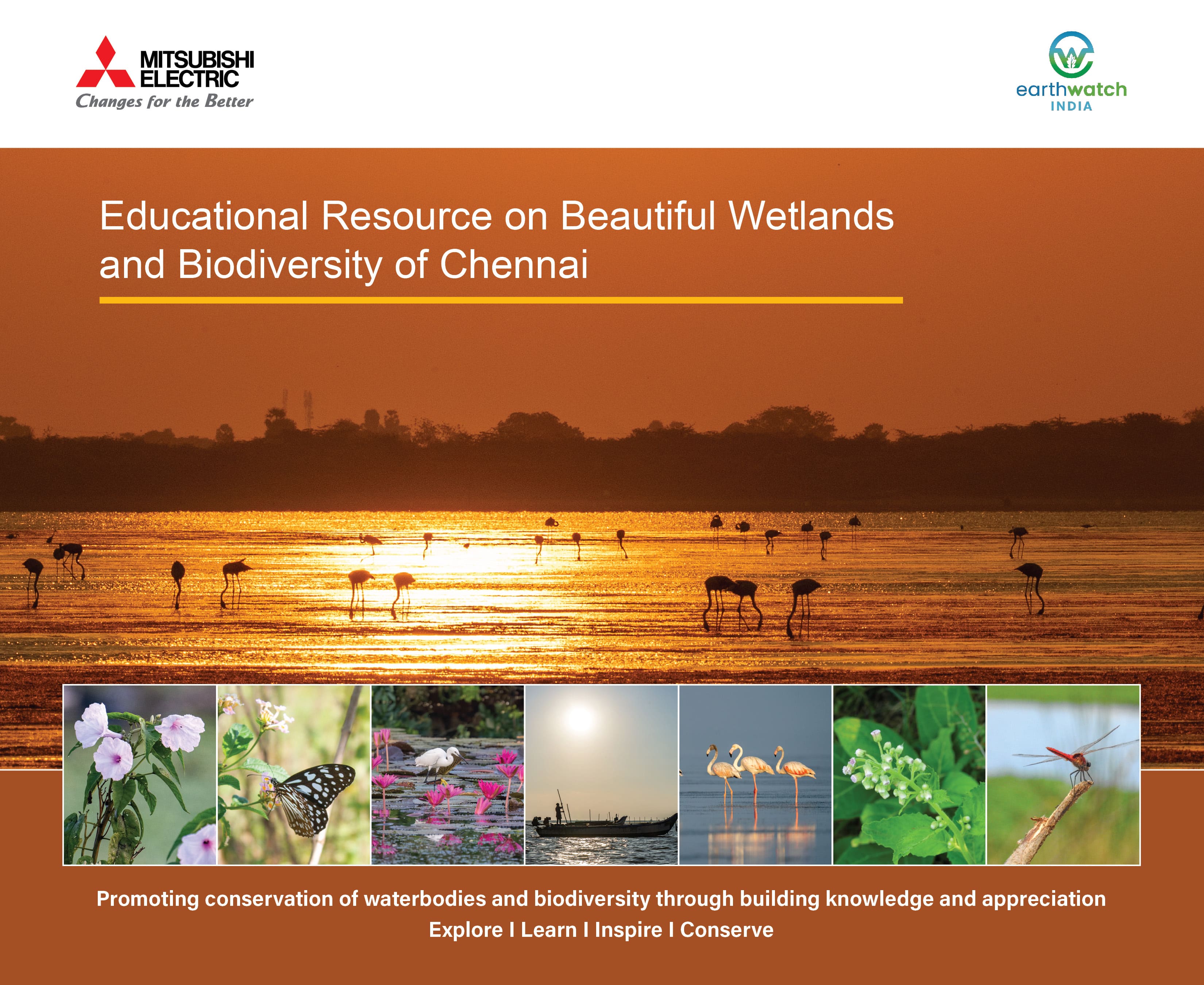
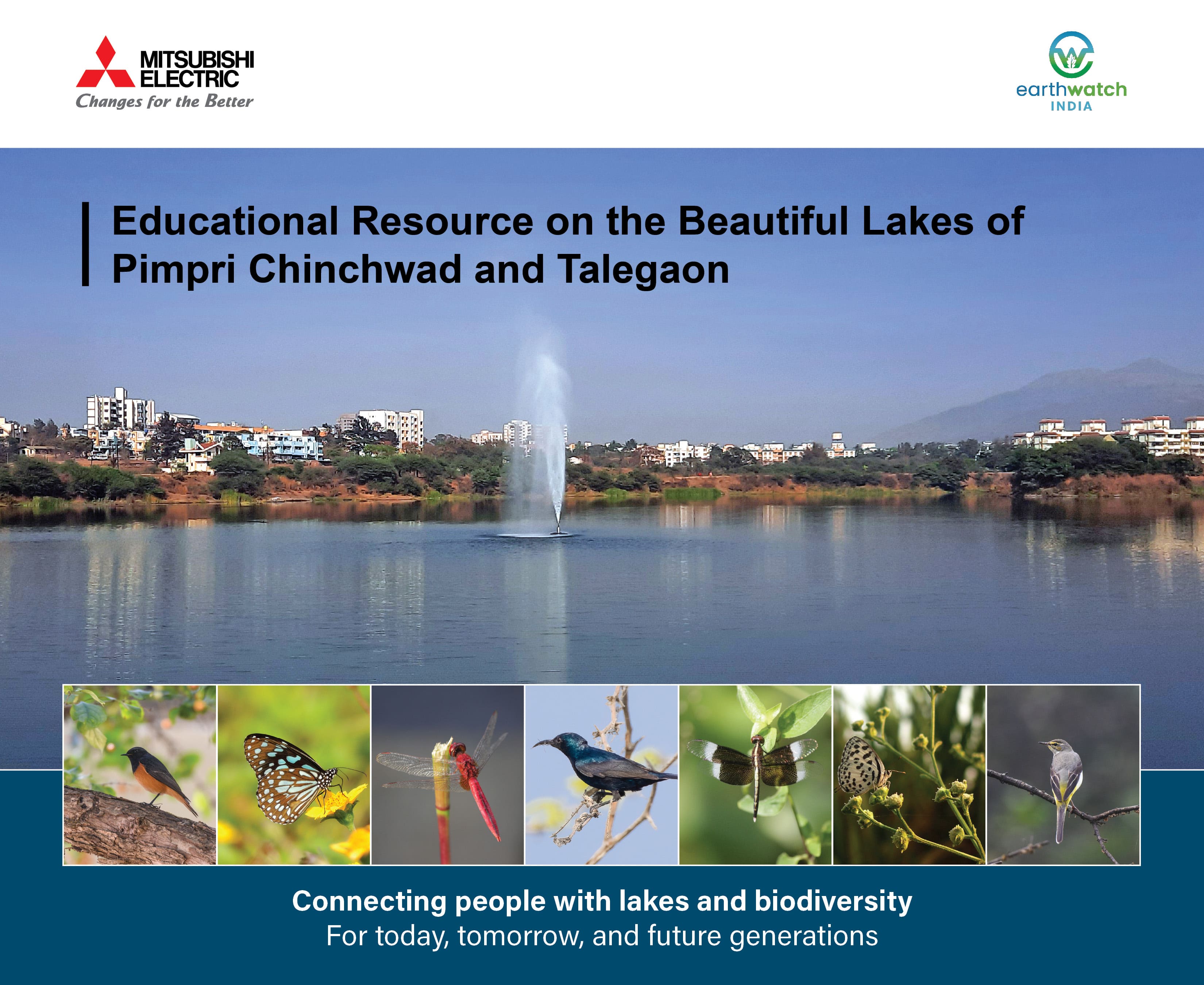
Wetlands
Wildlife & Habitats
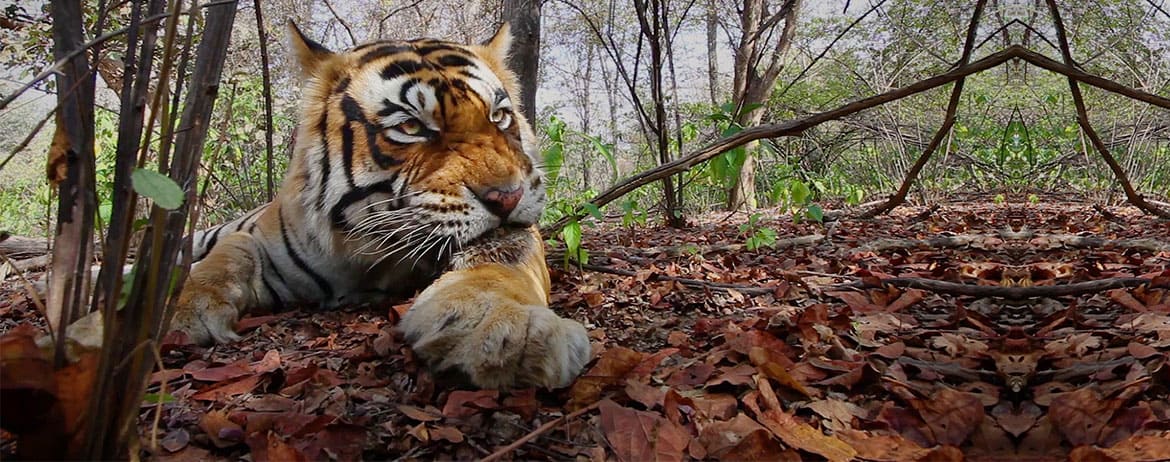
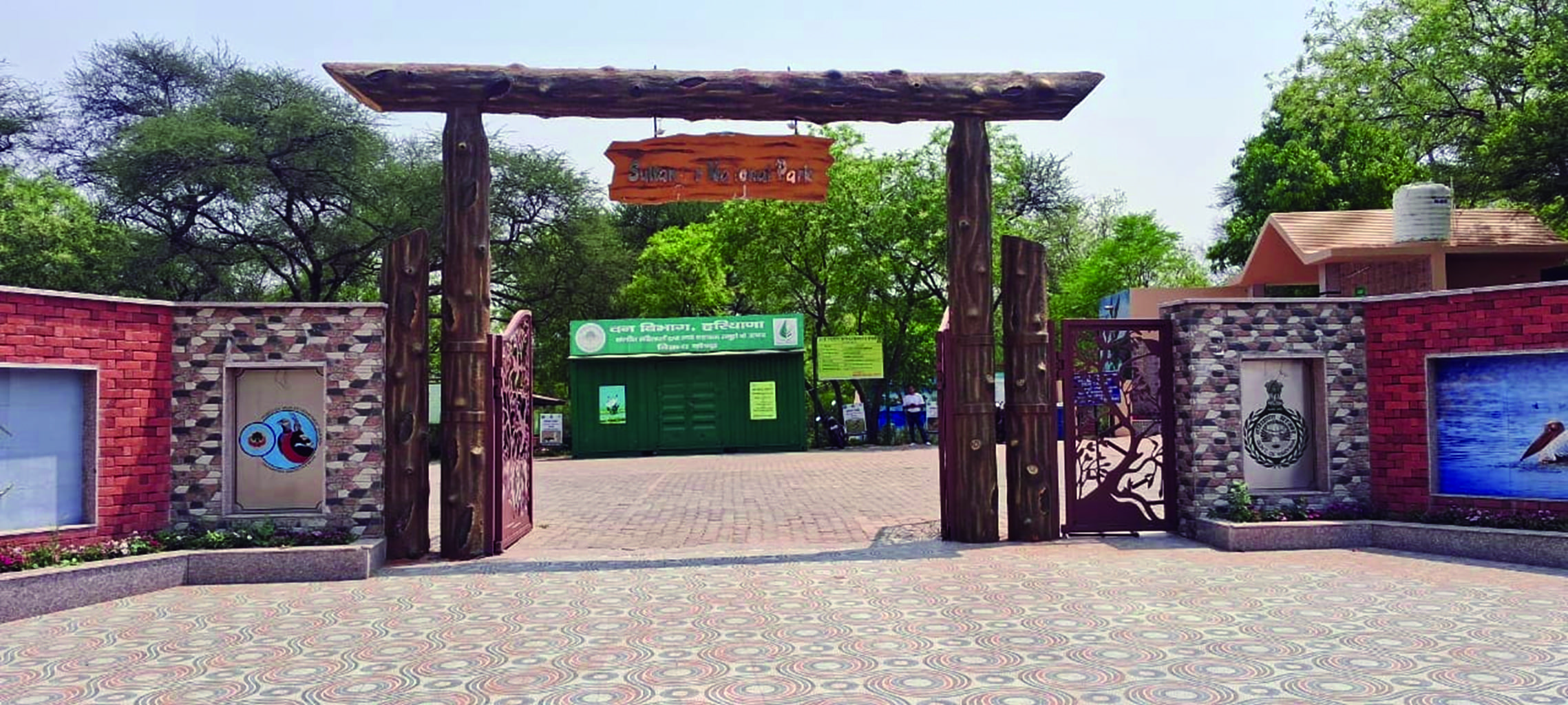
National Parks & Sanctuaries
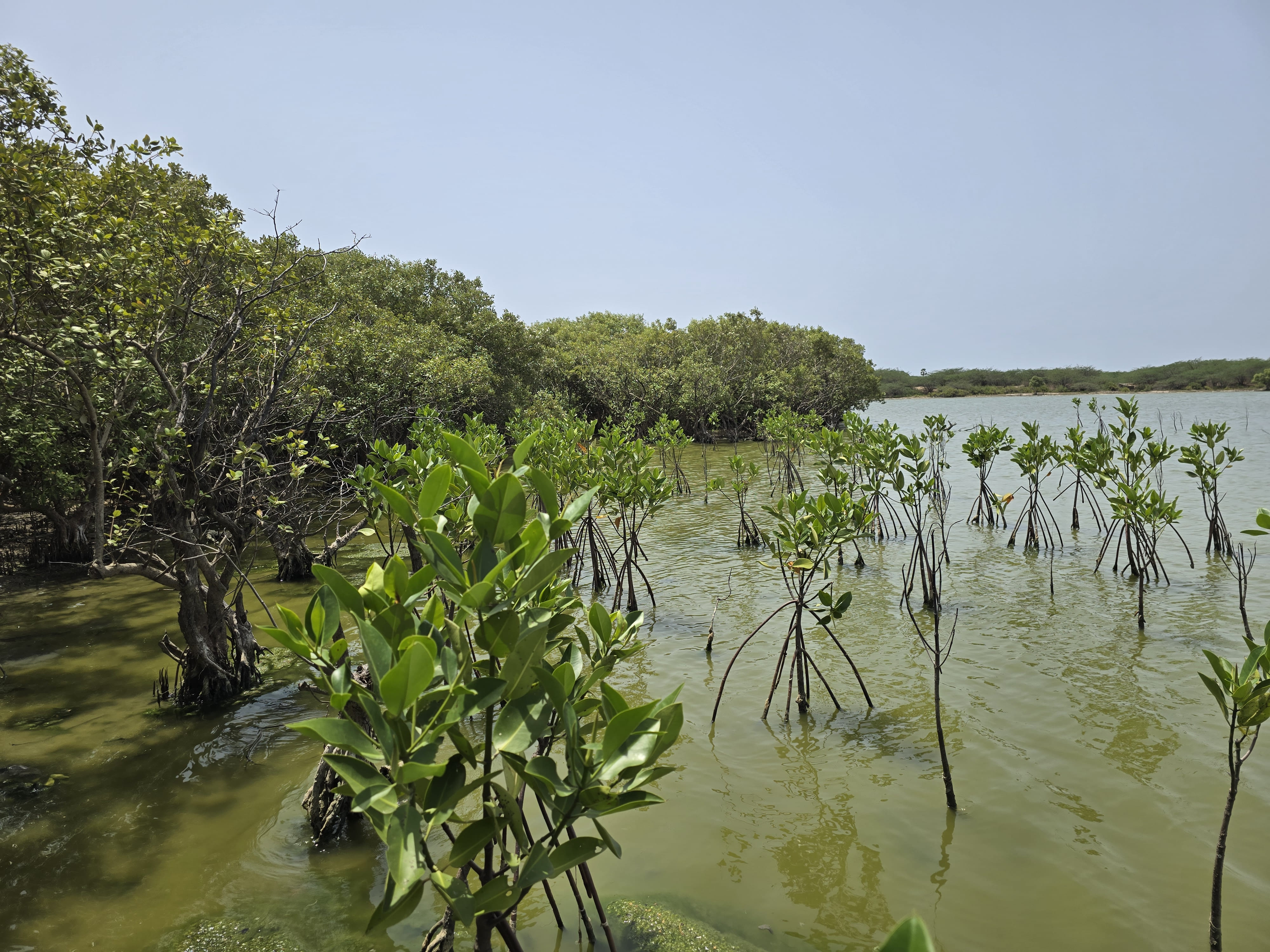
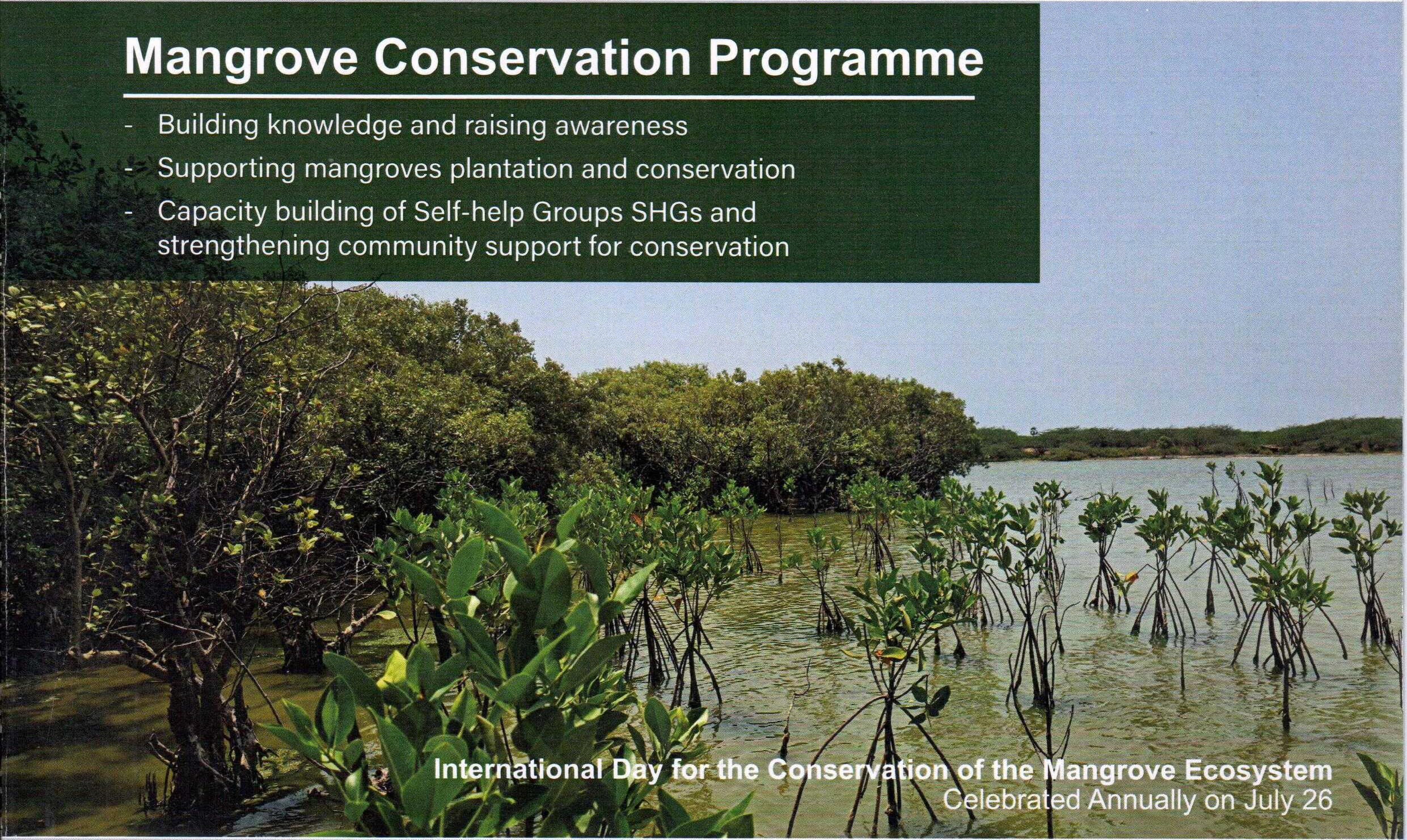
Mangroves
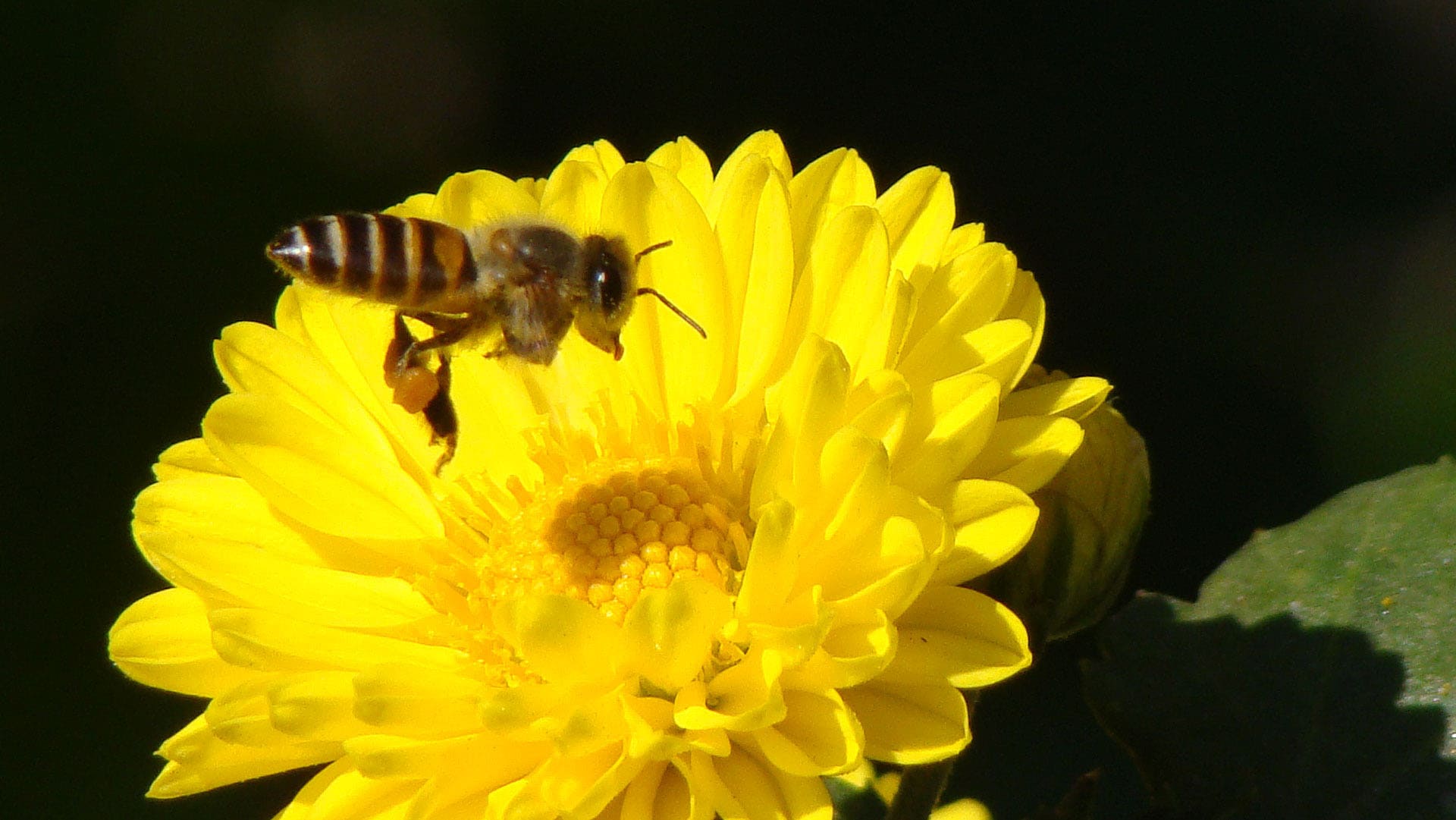
Pollinators
Climate Change and Climate Action
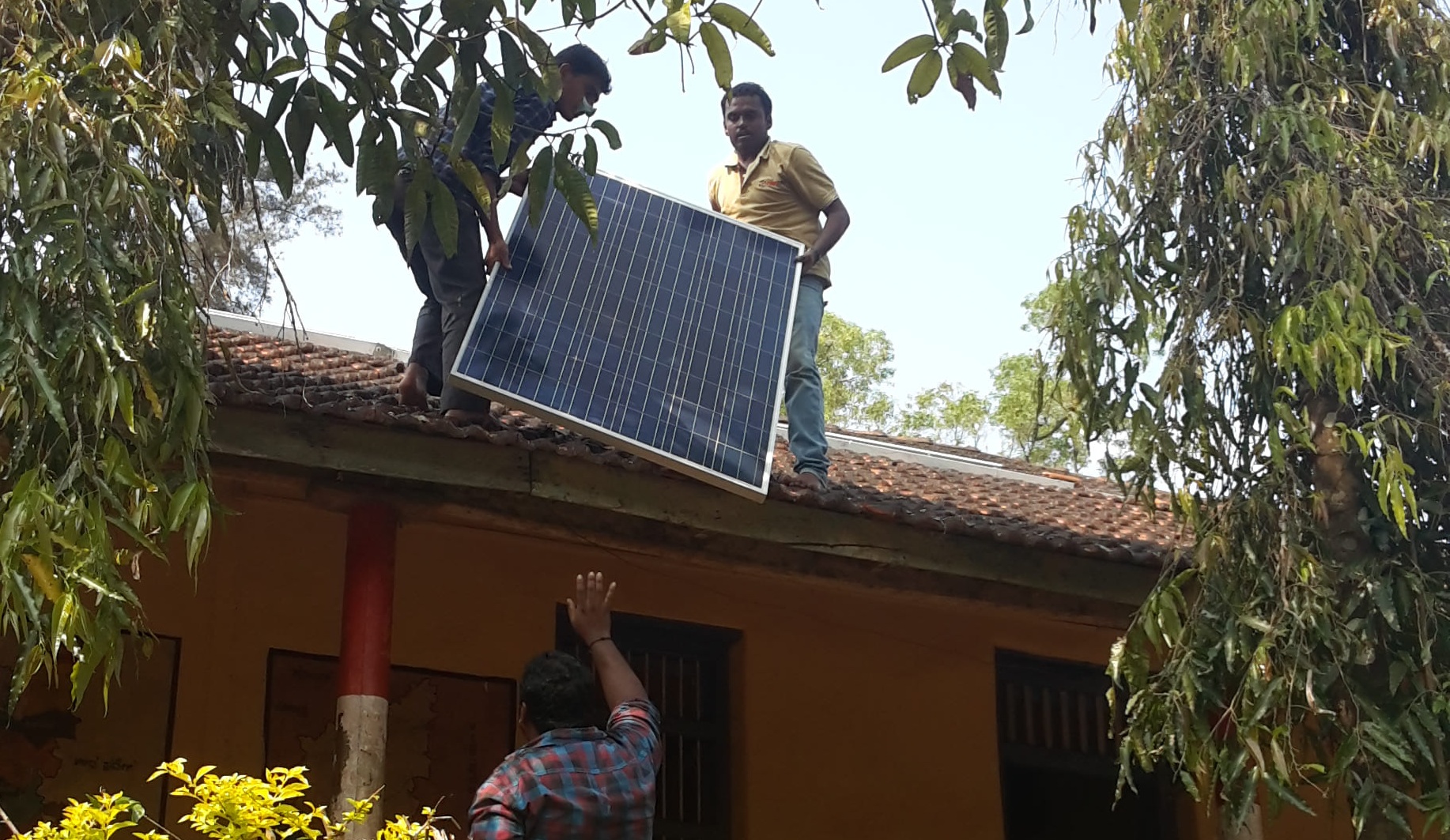
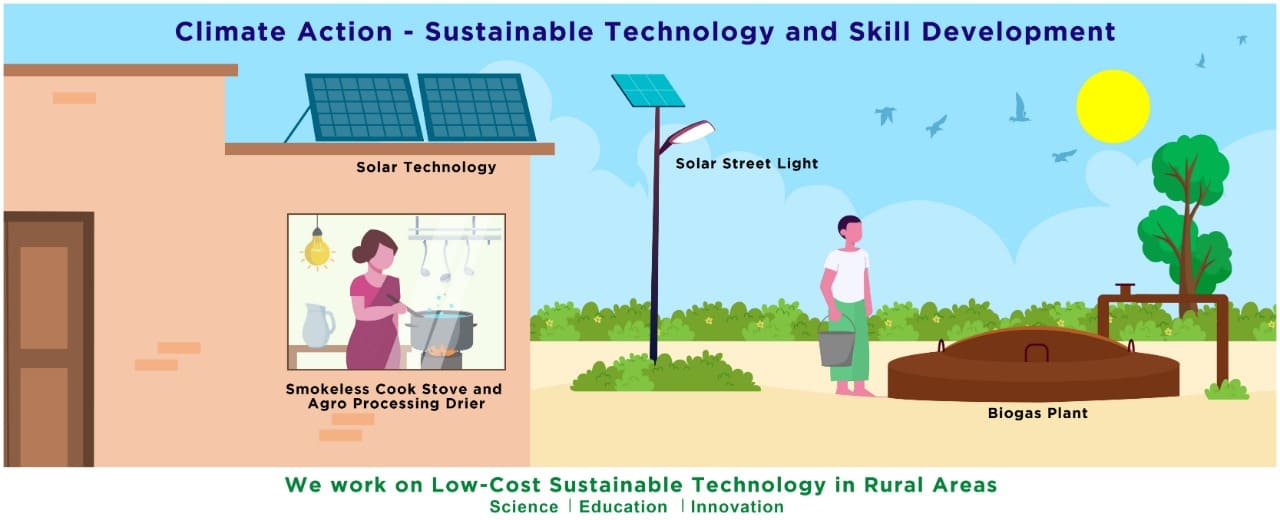
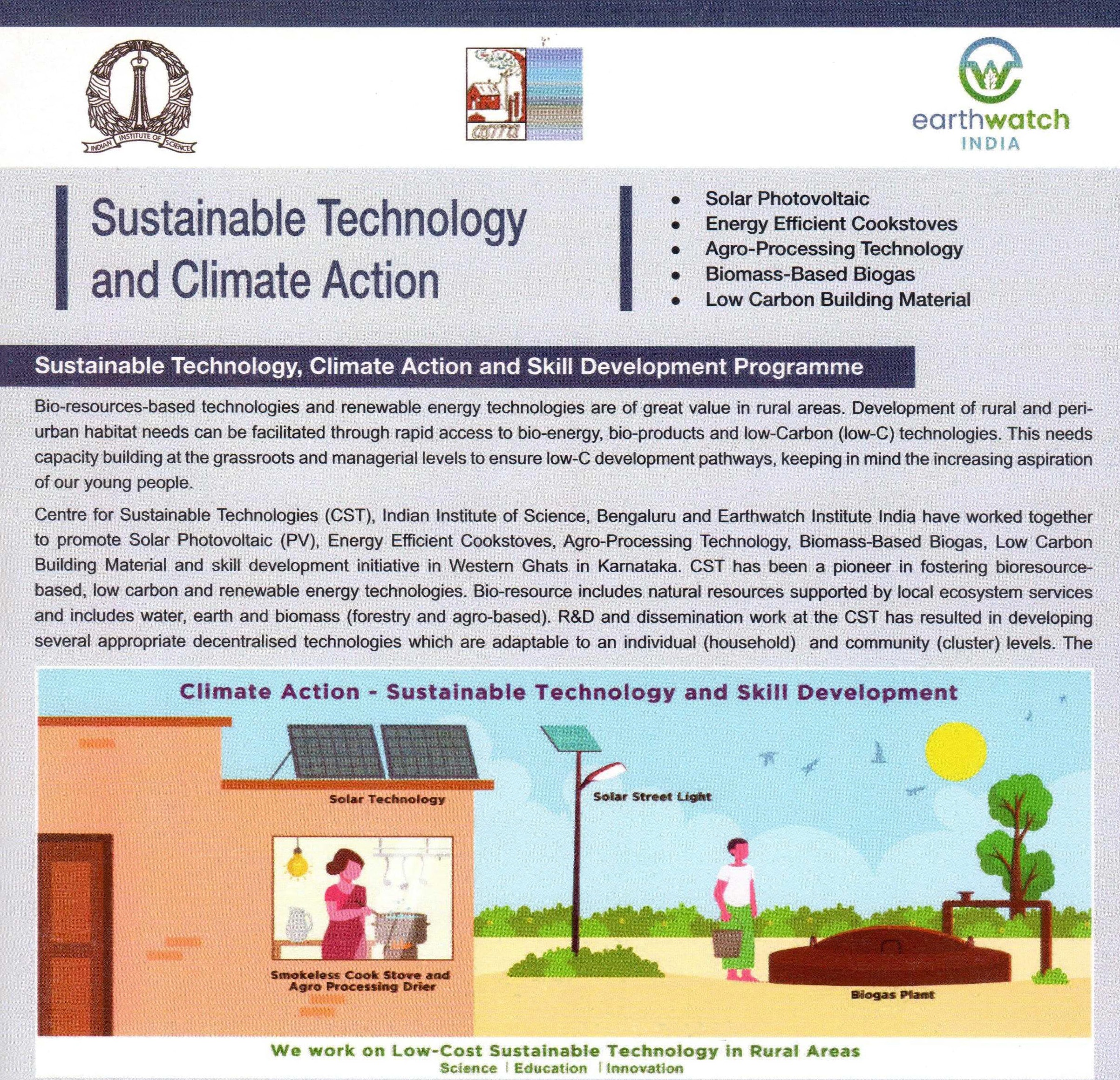
Sustainable Technologies
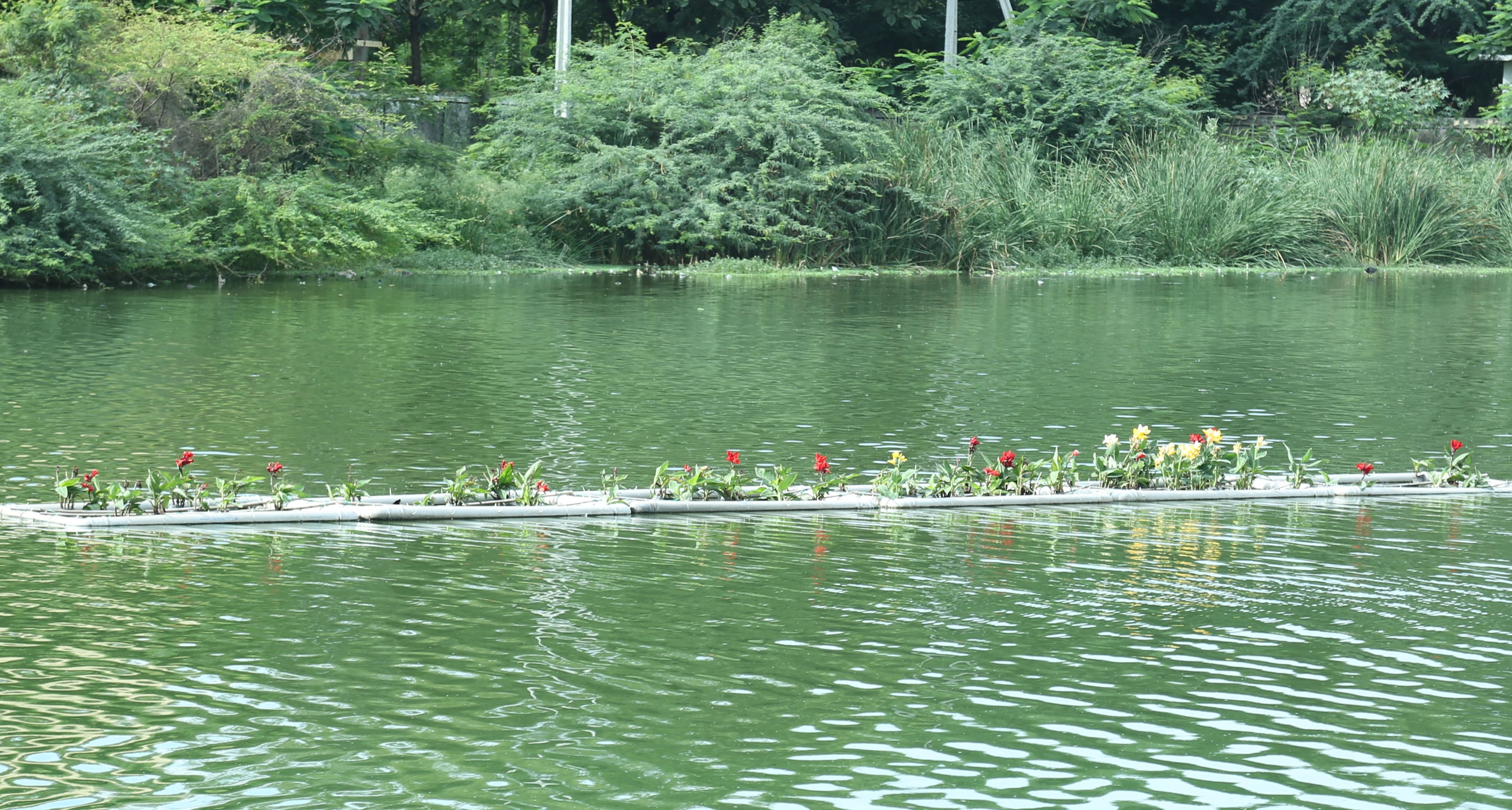
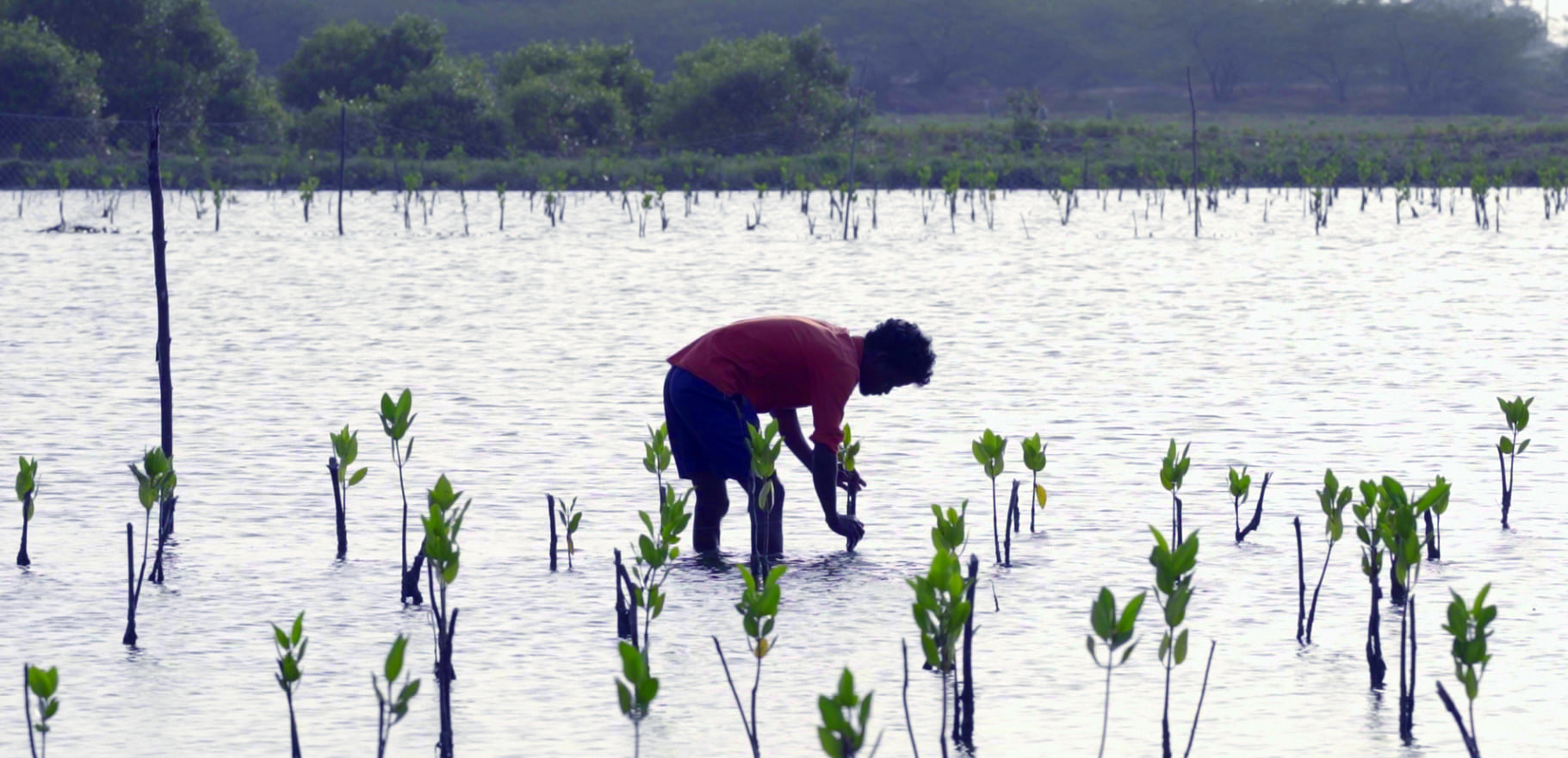
Nature Based Solutions
Overview
Project Healthy Environment, Biodiversity and Nature Conservation is designed to engage students, teachers, communities, local institutions, nature groups, Self-Help Groups, environmental organisations and other partners in understanding the importance of biodiversity and healthy natural habitats for people, wildlife and a sustainable future.
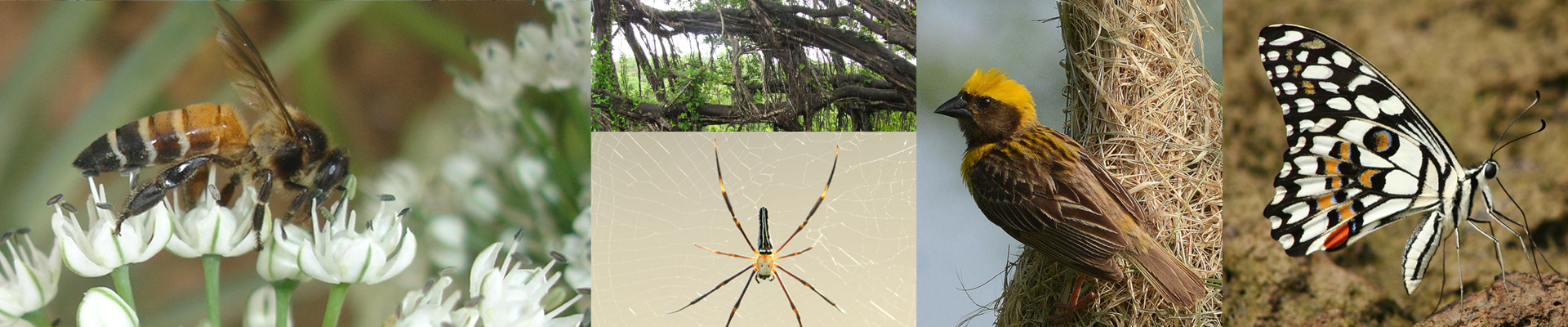
The project aims to build a better understanding of the relationship between biodiversity, native trees, plants, birds, bees, butterflies, pollinators, habitats, ecosystems, climate change and community well-being.
The project goes beyond awareness by encouraging participants to learn, observe, document, restore and protect nature through practical field activities, Citizen Science, community-based conservation programmes and simple achievable actions.
The project promotes the understanding that biodiversity is not something found only in forests and protected areas. Trees, gardens, lakes, wetlands, school grounds, parks, farms, roadsides and community spaces can all provide important habitats for plants, birds, insects and other wildlife.
By creating and protecting suitable habitats, planting native species, supporting pollinators and observing local biodiversity, communities can become active partners in conserving nature.
The project also highlights the growing importance of biodiversity conservation in the context of climate change. Healthy ecosystems can support climate resilience by providing shade, storing carbon, supporting pollination, improving soil health, reducing erosion, supporting water cycles and creating habitats for wildlife.
Scientific Research and Citizen Science
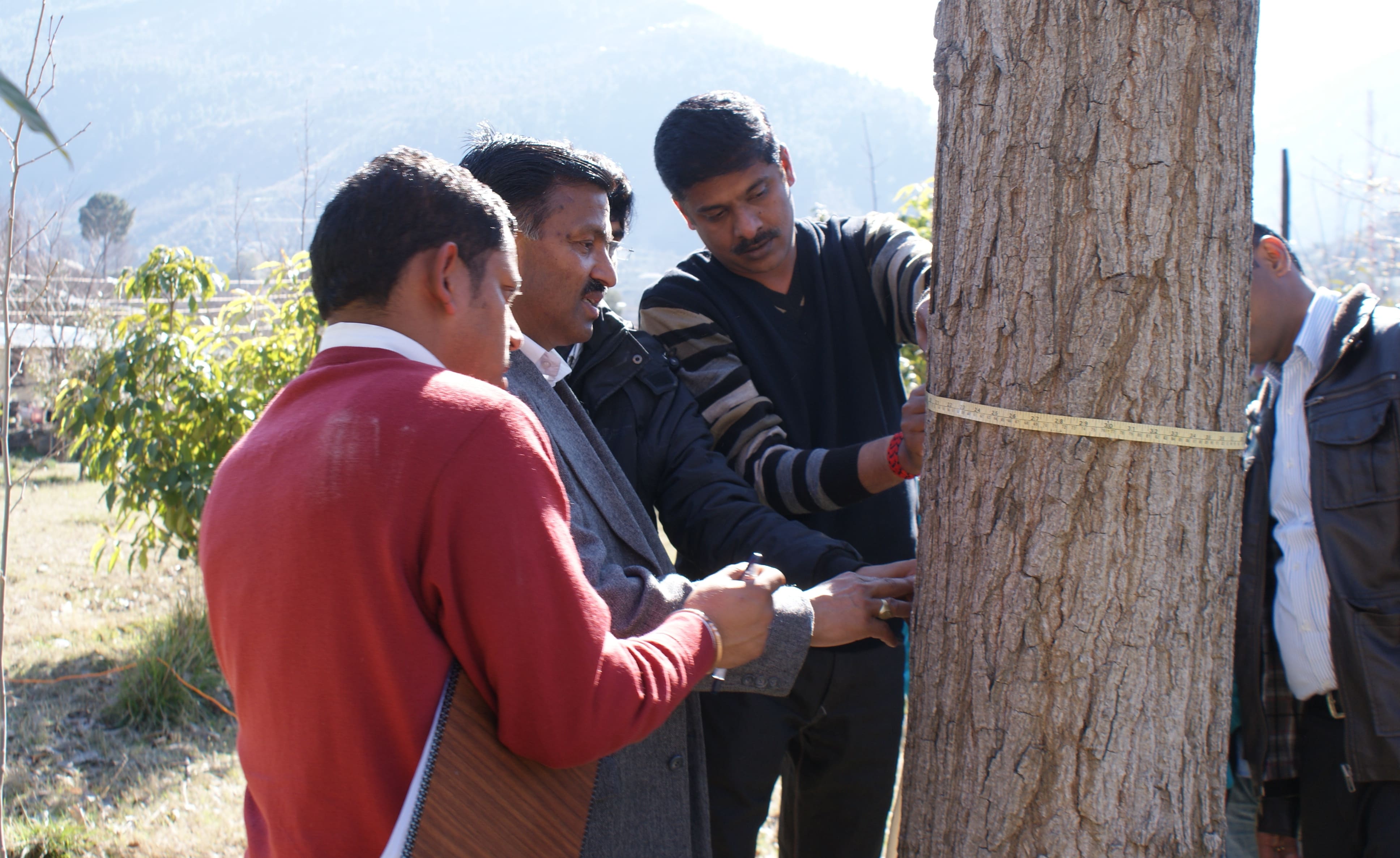
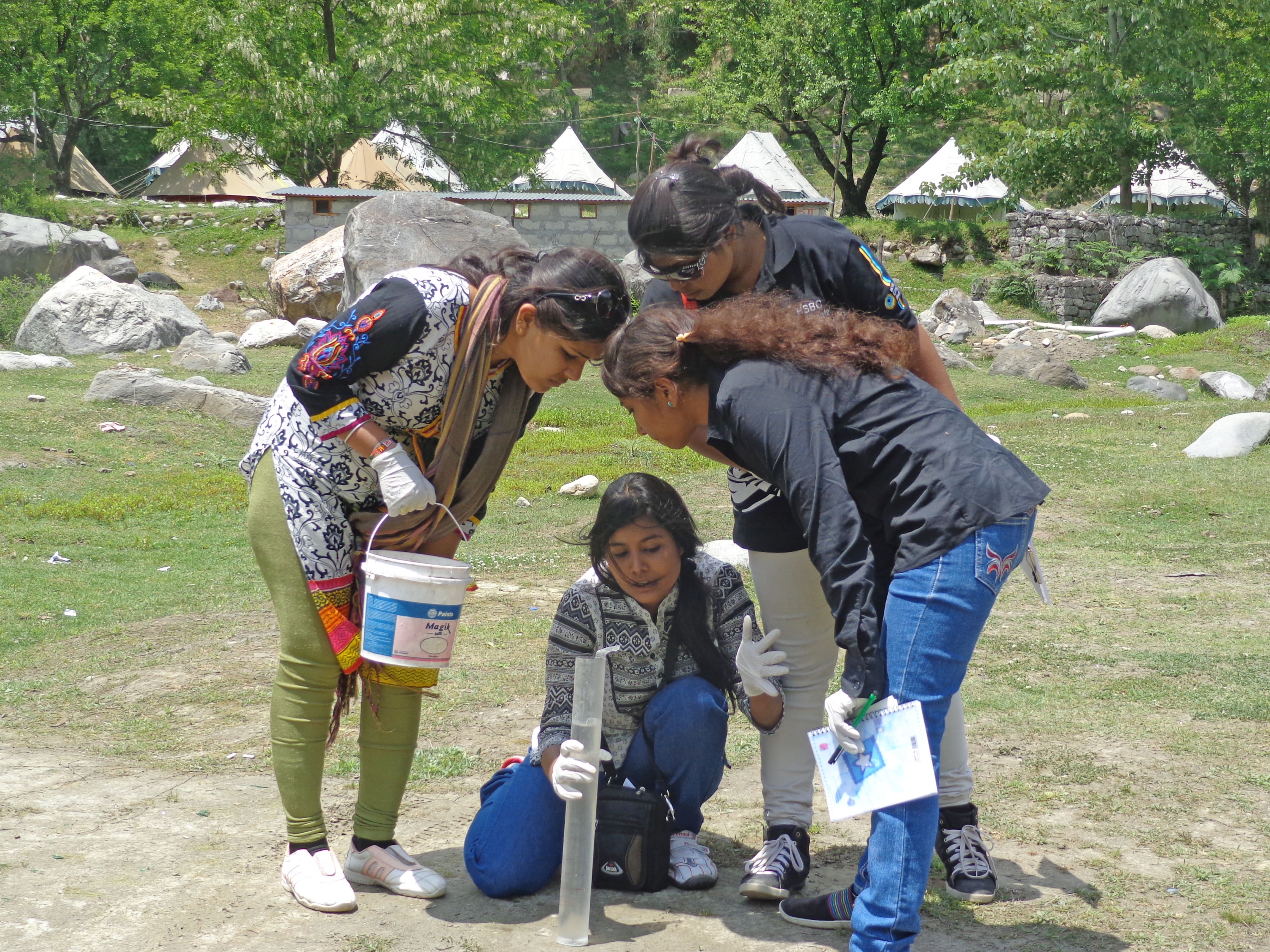
Education and Experiential Learning
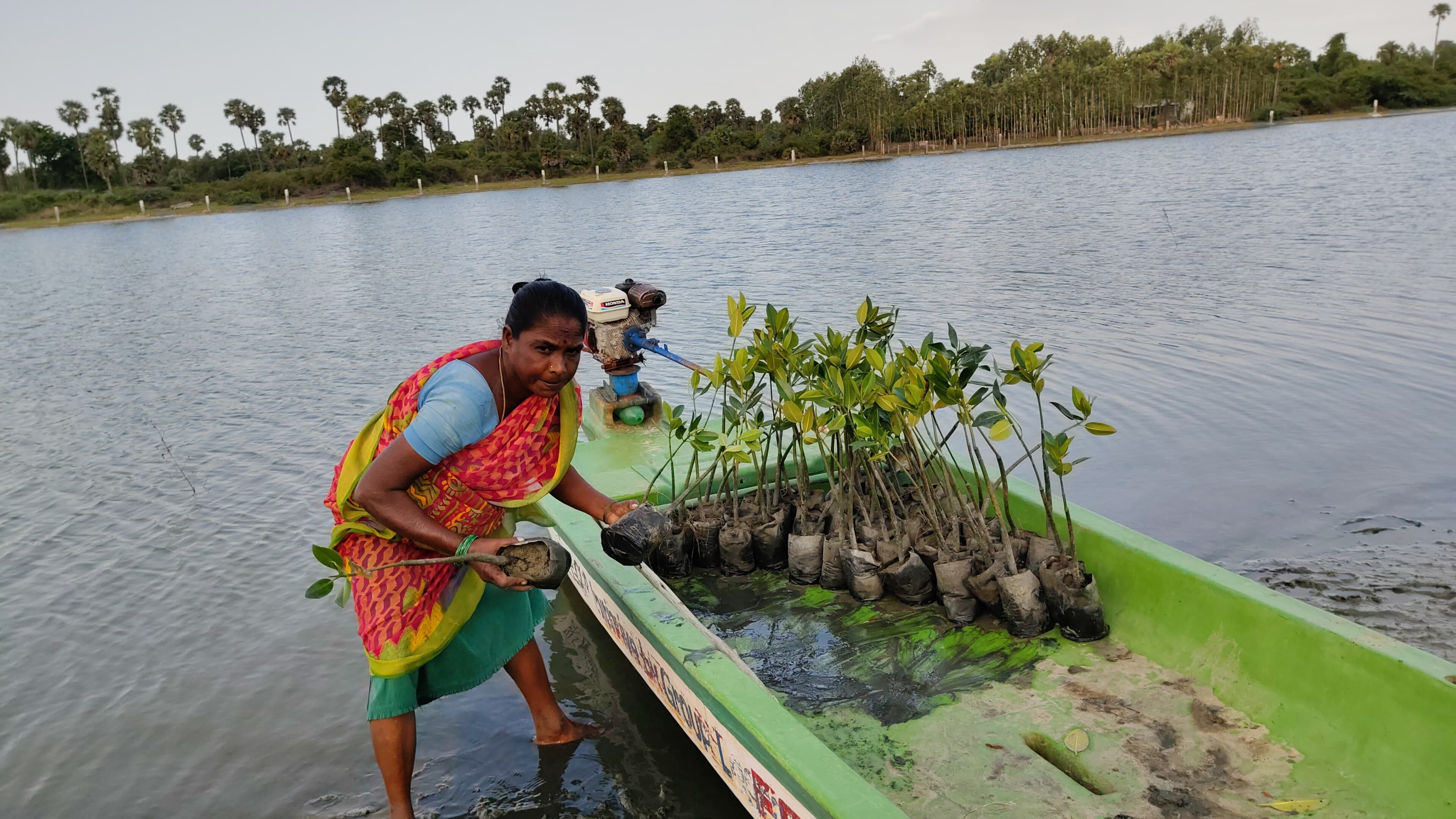
Conservation and Restoration
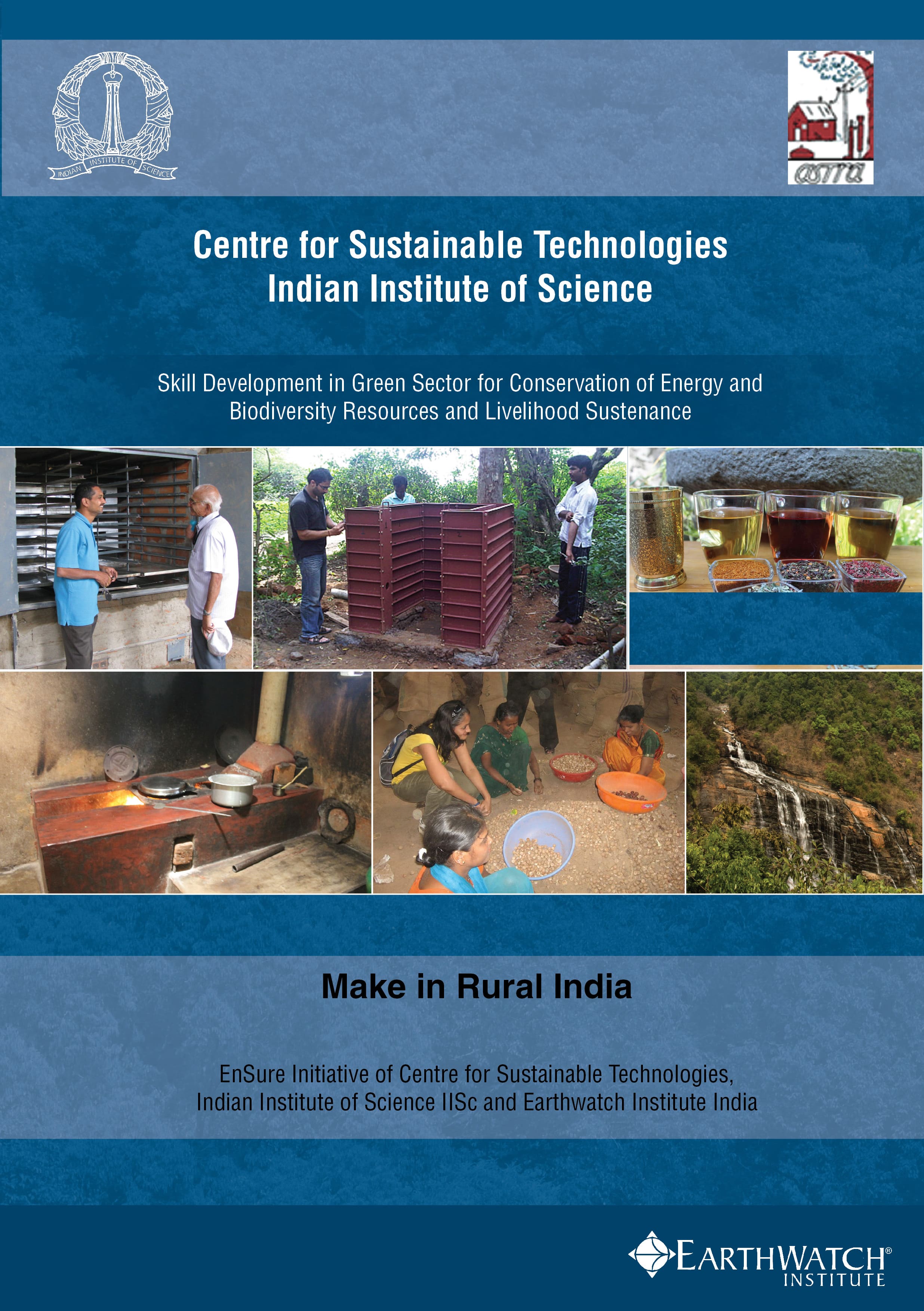
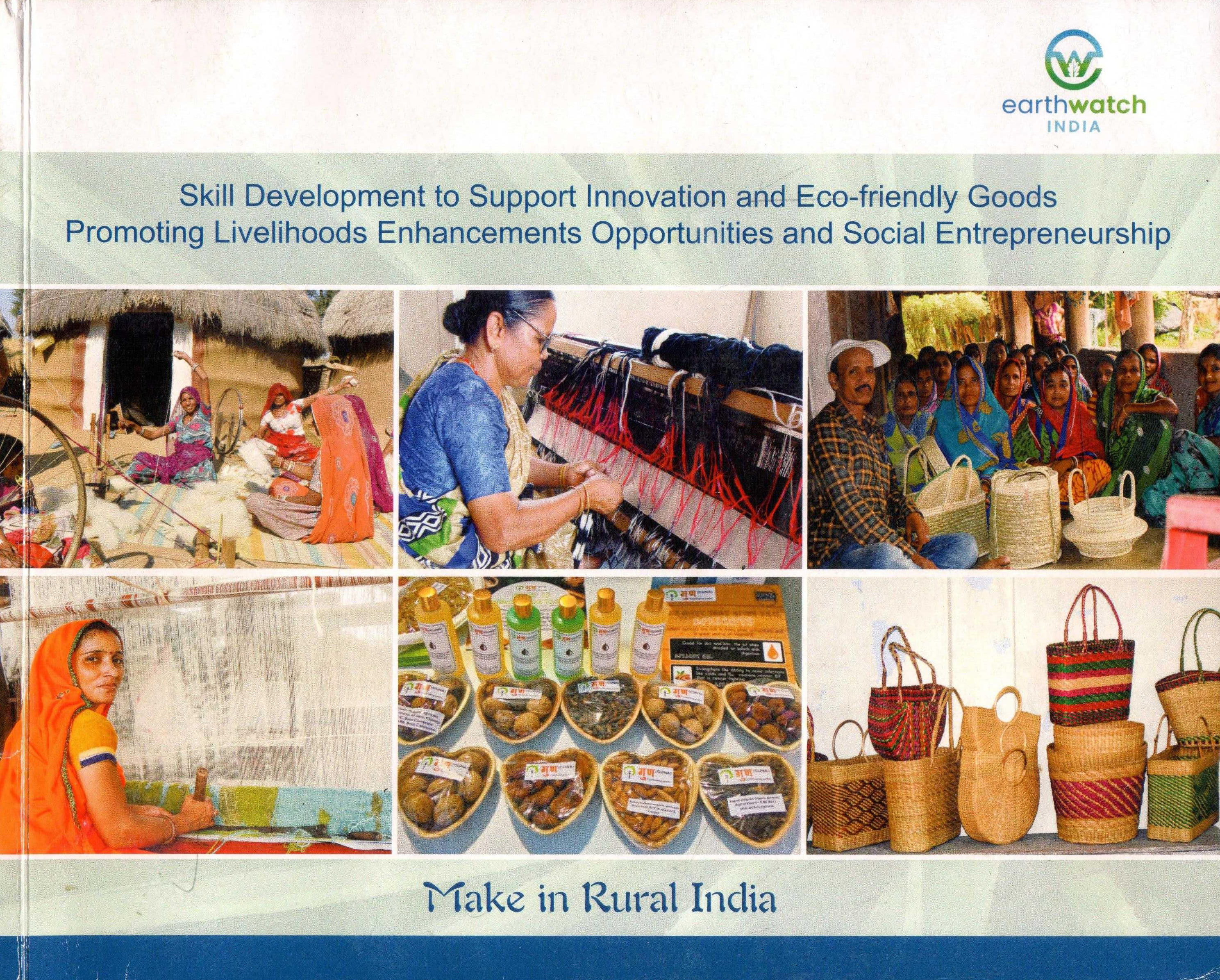
Skill Development and Livelihood Enhancement
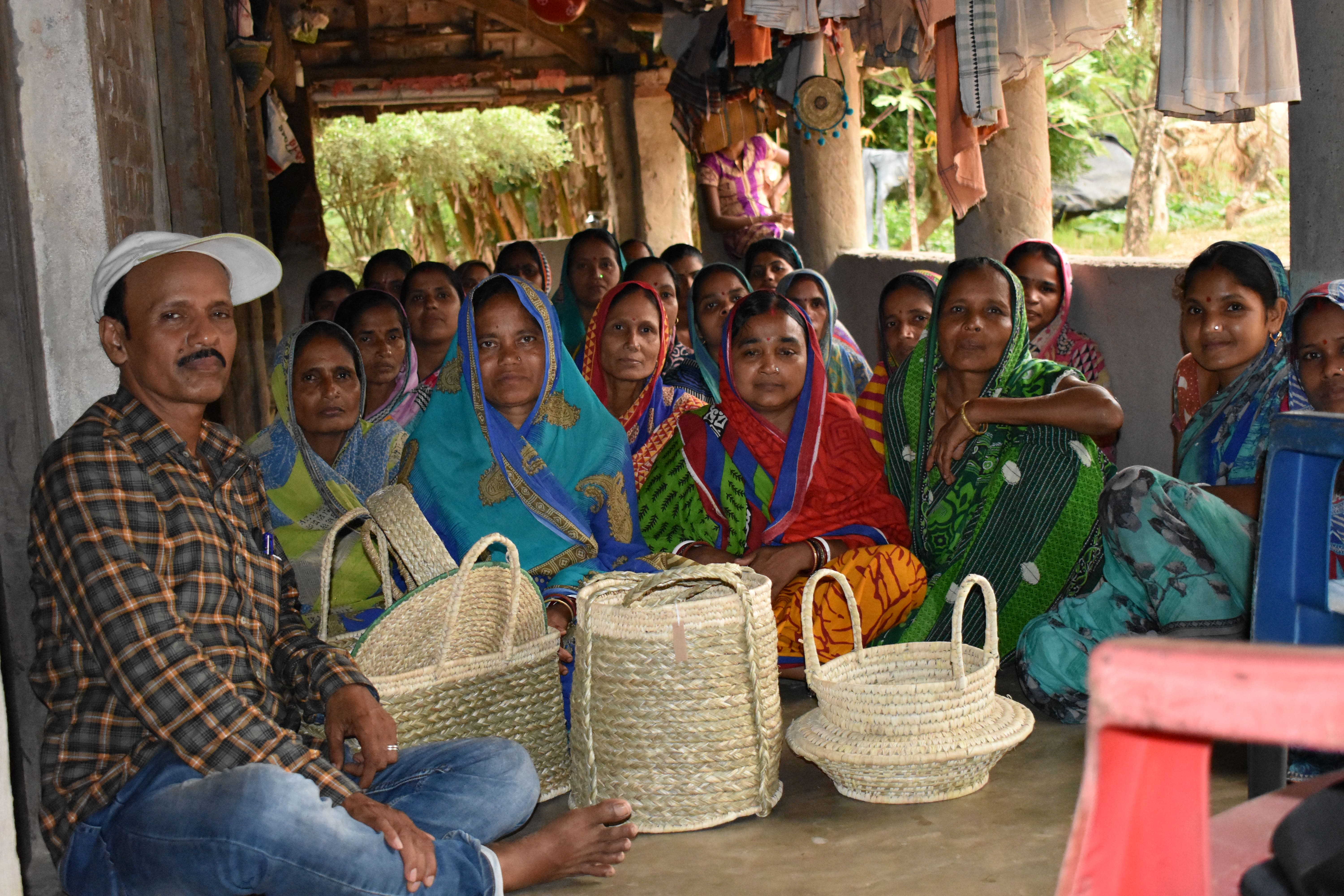
CSustainable Businesses
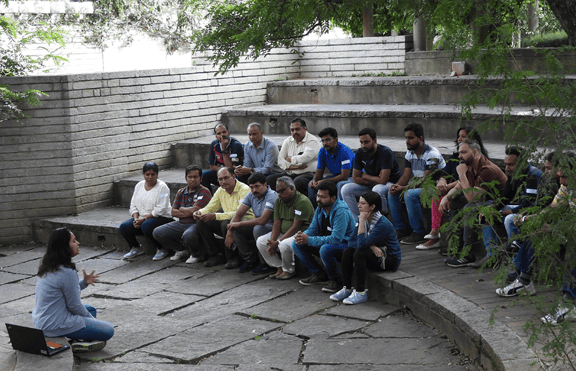
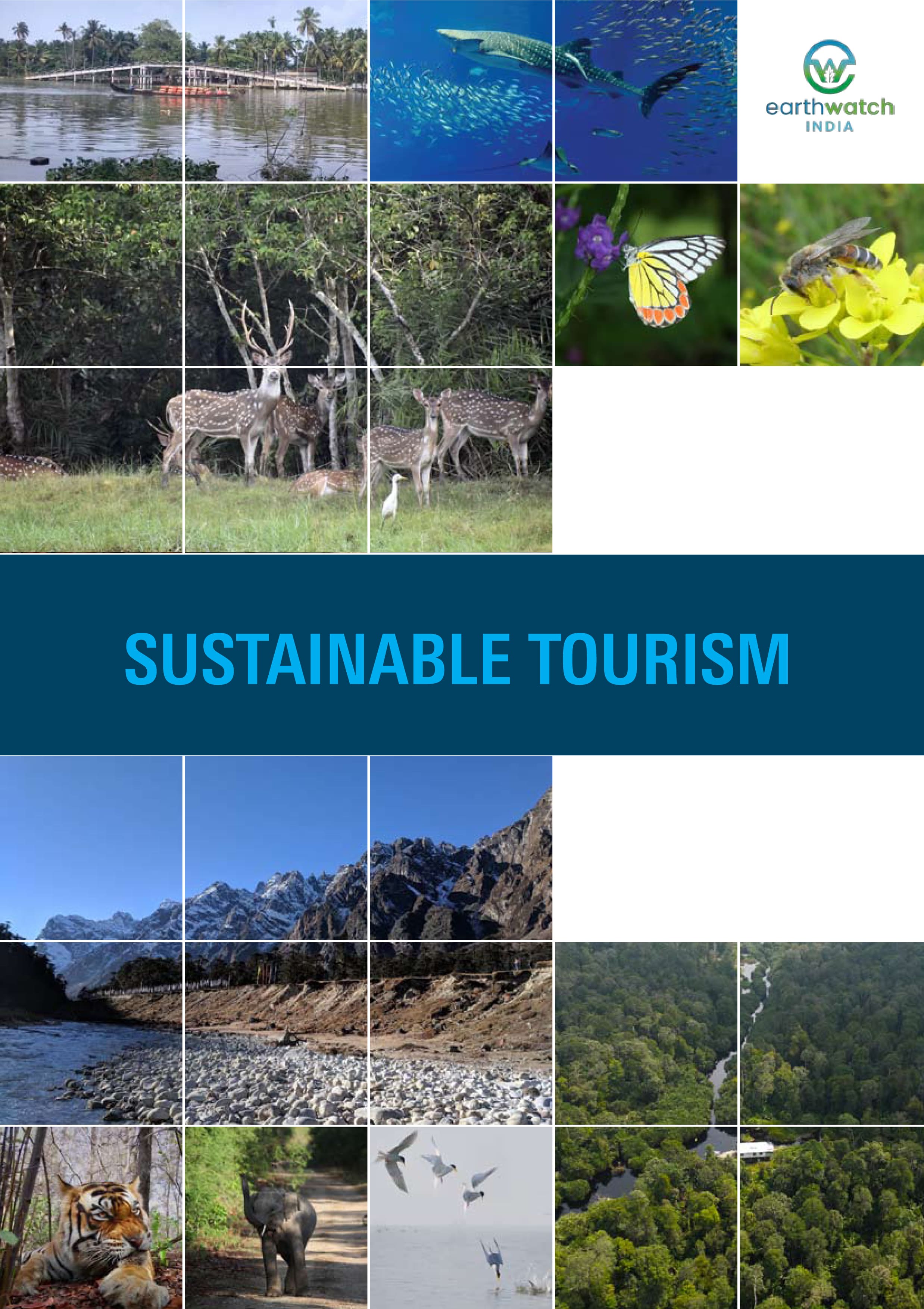
Sustainable Tourism
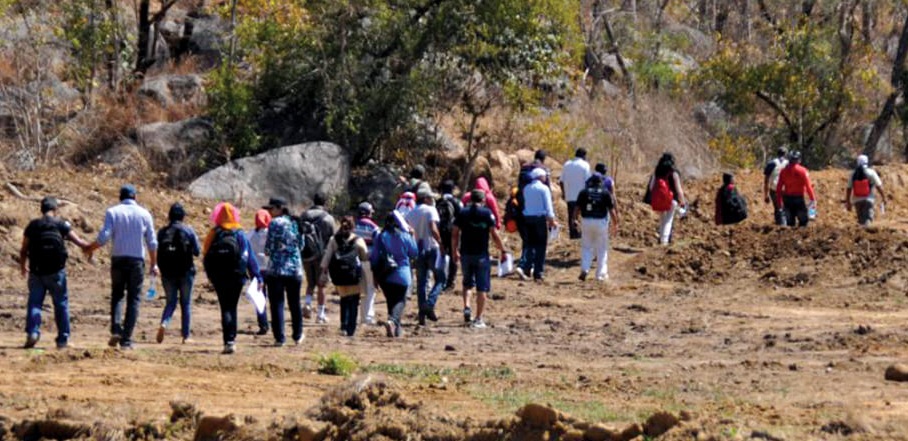
Alignment with National Missions and the Sustainable Development Goals
Project Healthy Biodiversity and Nature aims to align with the objectives of major environmental and development priorities, including the National Mission for a Green India, the National Mission for Sustaining the Himalayan Ecosystem, the National Mission on Sustainable Habitat, the National Action Plan on Climate Change, the Mission LiFE—Lifestyle for Environment, and national efforts related to biodiversity conservation, ecological restoration, afforestation, climate resilience and environmental education.
The project also aims to align with the Sustainable Development Goals, particularly SDG 4: Quality Education, through experiential environmental and STEM learning; SDG 6: Clean Water and Sanitation, through the protection of wetlands, water bodies and natural ecosystems; SDG 11: Sustainable Cities and Communities, through the creation of green spaces and biodiversity-friendly habitats; SDG 12: Responsible Consumption and Production, through responsible use of natural resources; SDG 13: Climate Action, through nature-based climate resilience and community action; SDG 14: Life Below Water, through the protection of aquatic ecosystems and reduction of pollution; and SDG 15: Life on Land, through native tree plantation, habitat restoration, pollinator conservation and biodiversity monitoring. The project also supports SDG 17: Partnerships for the Goals by bringing together students and teachers, communities, local institutions, scientists, conservation practitioners and other stakeholders.
Understanding Nature Conservation and Environment Protection
Biodiversity includes the variety of plants, animals, insects, birds, microorganisms and ecosystems that make up our natural world. Every species has a role in maintaining healthy ecosystems. Trees provide food, shelter and nesting spaces. Birds help disperse seeds and connect different habitats. Bees and butterflies support the pollination of many flowering plants and contribute to food systems.
The project encourages participants to understand that biodiversity is interconnected.
A tree is not just a tree. It can become a habitat.
A flowering plant is not only ornamental—it can provide food for bees and butterflies.
A garden is not simply a green space—it can become a small wildlife habitat.
A community plantation can become a network of habitats when planned with native species and ecological needs in mind. This approach encourages people to see their surroundings as part of a larger living ecosystem.
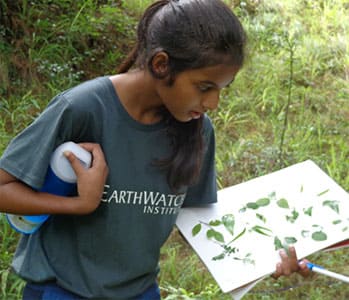
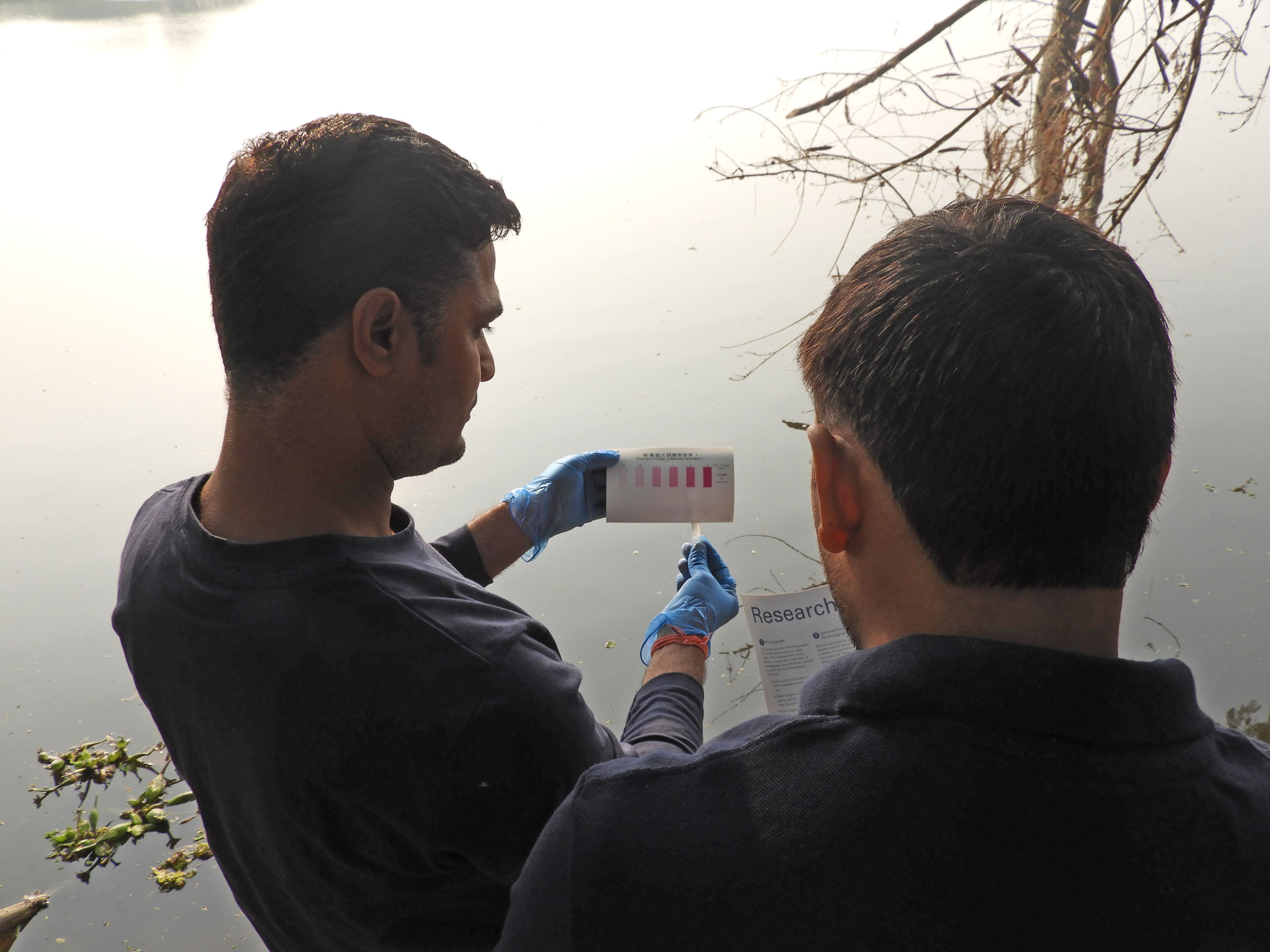
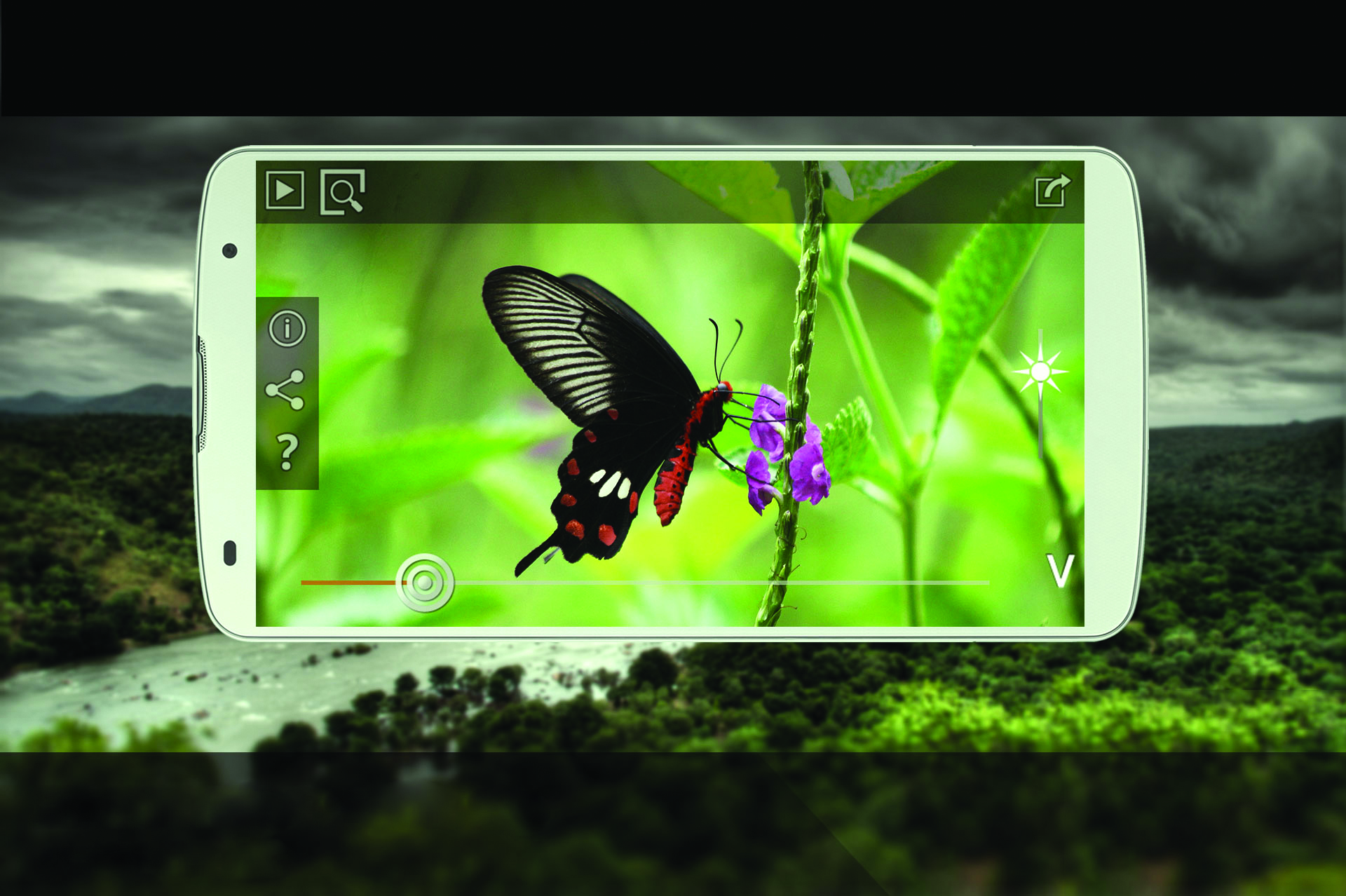
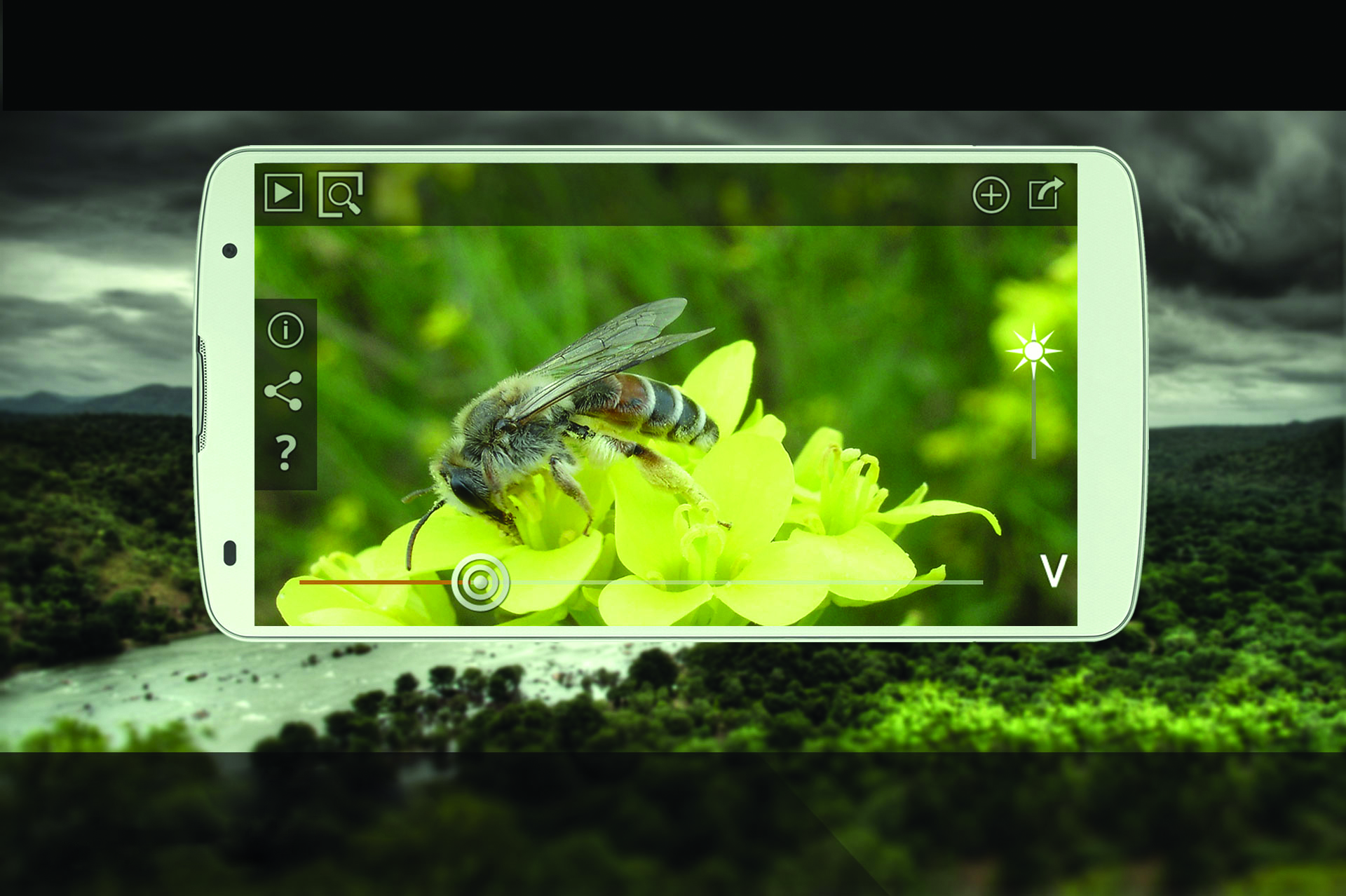
Digital Field Guides
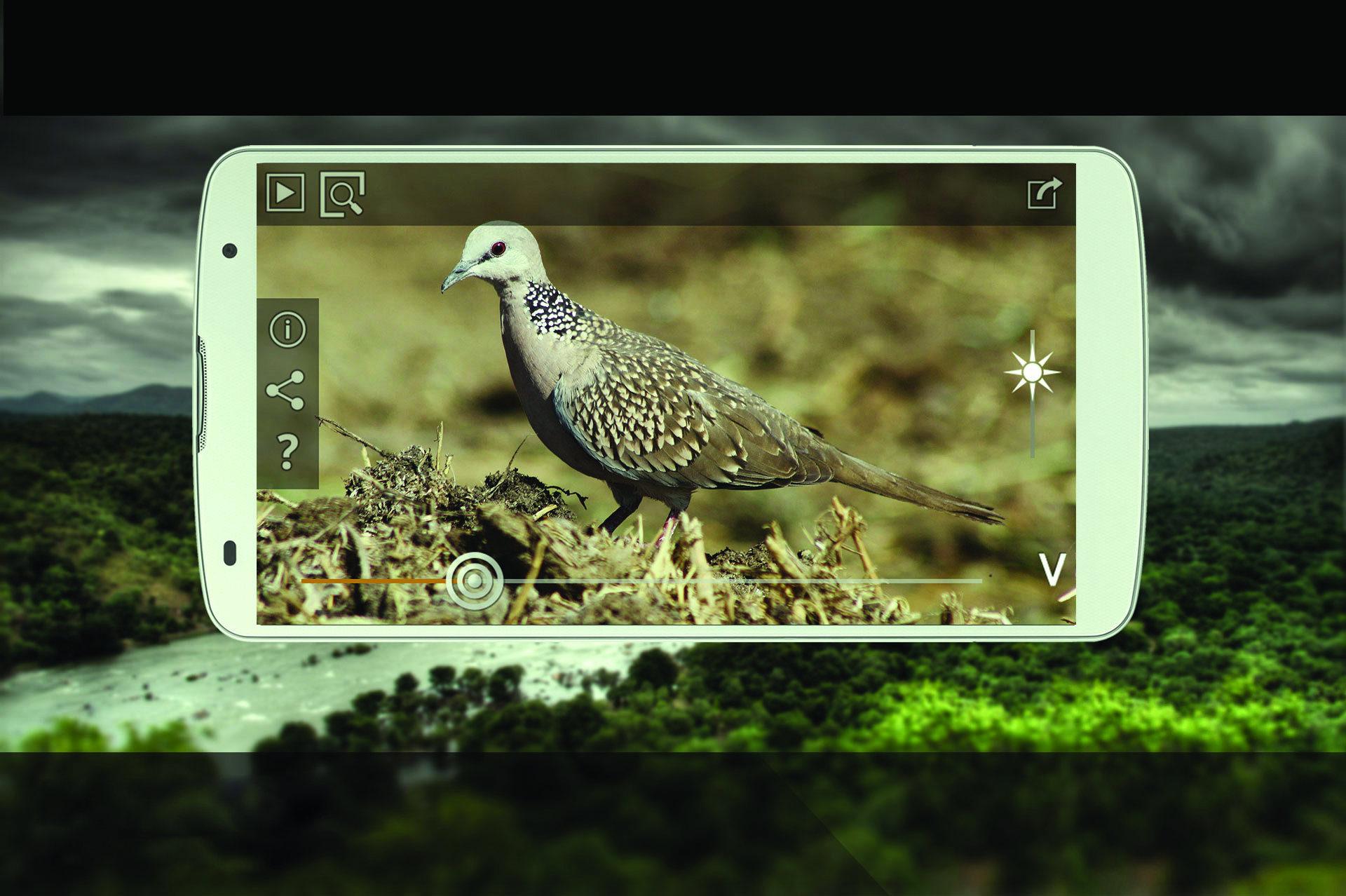
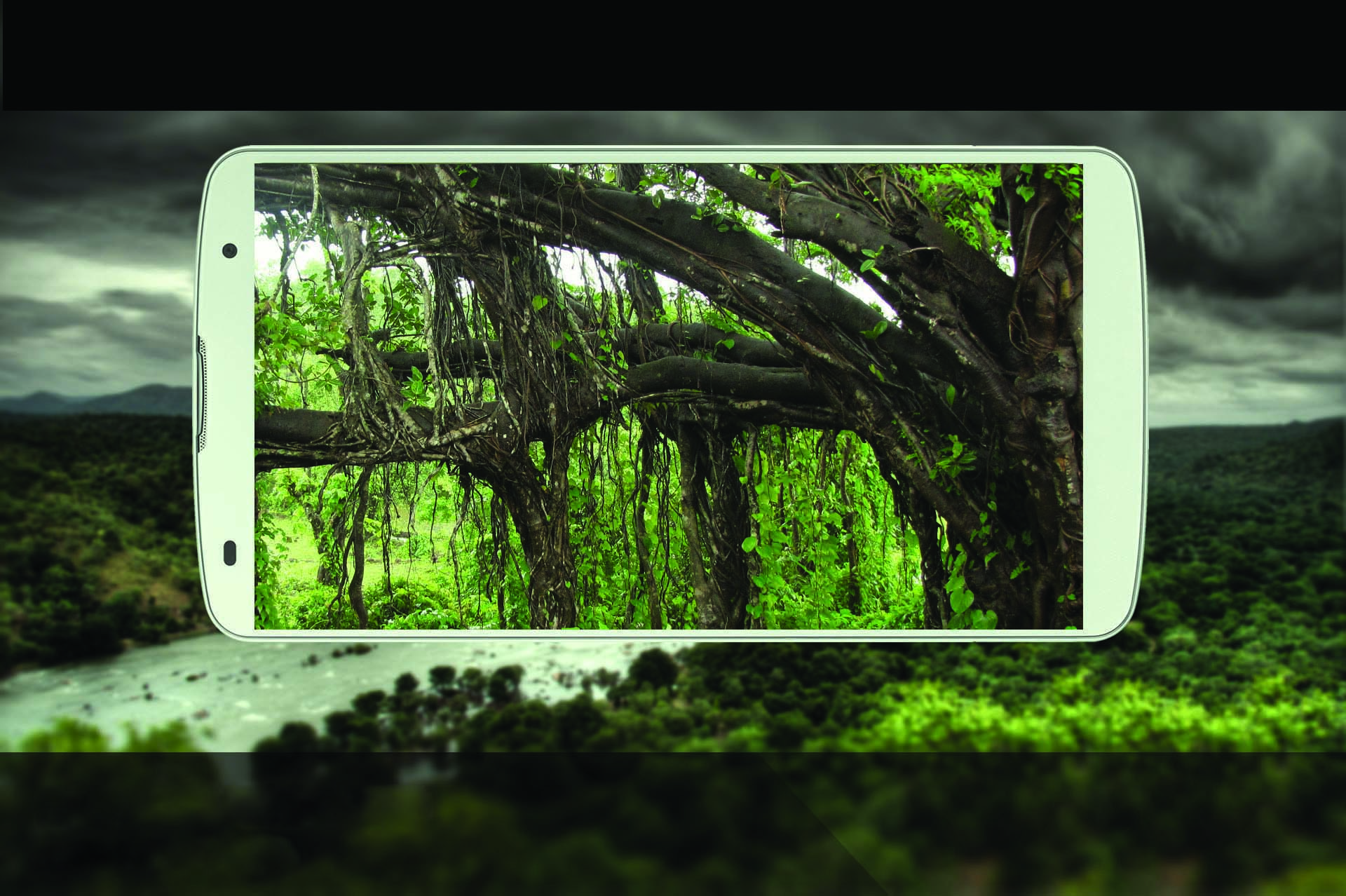
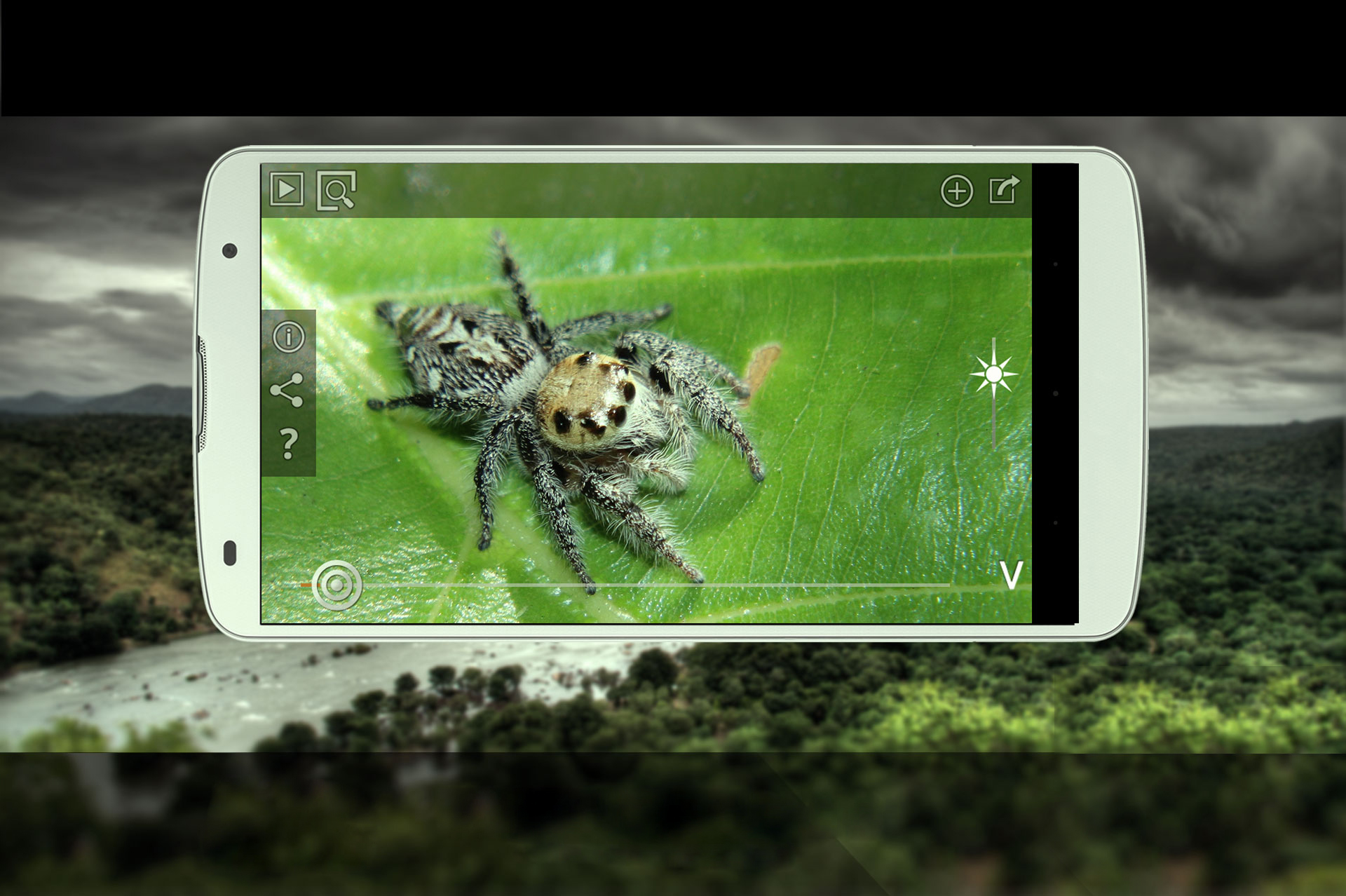
Learning Resources
Climate change is affecting ecosystems and biodiversity in many ways. Changes in temperature, rainfall patterns, extreme weather events, drought, heat waves and changing seasons can influence plants, insects, birds and wildlife.
Changes in flowering seasons can affect pollinators. Changes in temperature and rainfall can influence the availability of food and water for birds and other animals. Impact on habitat can further reduce the ability of species to adapt to environmental changes.
These issues create an opportunity to connect biodiversity education with climate action and community-based conservation. The project encourages participants to understand that protecting biodiversity helps in climate resilience.
- Planting and protecting native trees can create shade and habitat.
- Maintaining vegetation can support soil and water conservation.
- Creating pollinator-friendly gardens can provide food for bees and butterflies.
- Protecting wetlands, lakes and natural vegetation can support diverse species.
- Creating connected green spaces can help wildlife move between habitats.
The project promotes a shift from viewing plantation and biodiversity activities simply as one-time environmental events to recognising them as long-term habitat restoration and stewardship programmes.
Educational and Learning Resources

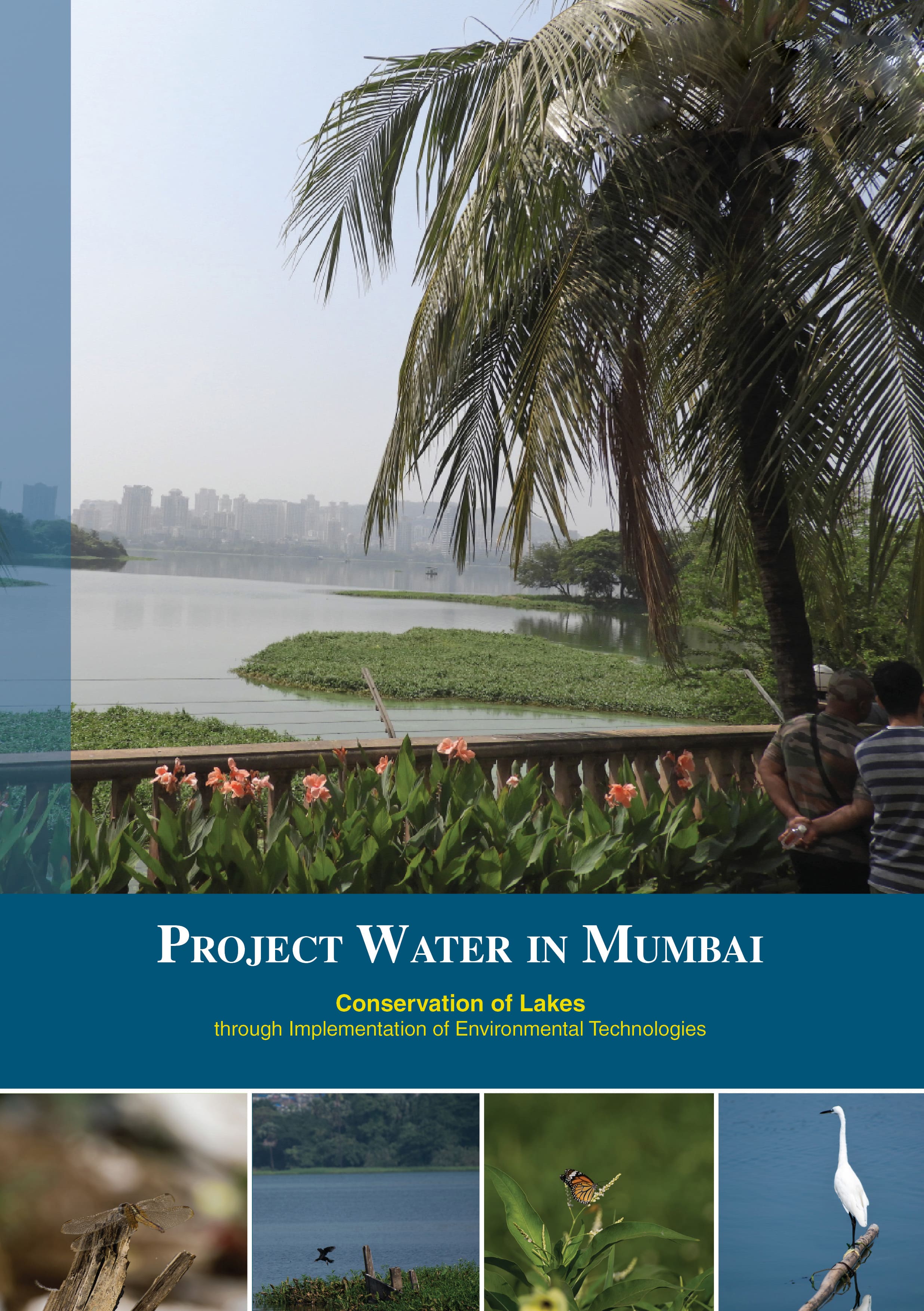
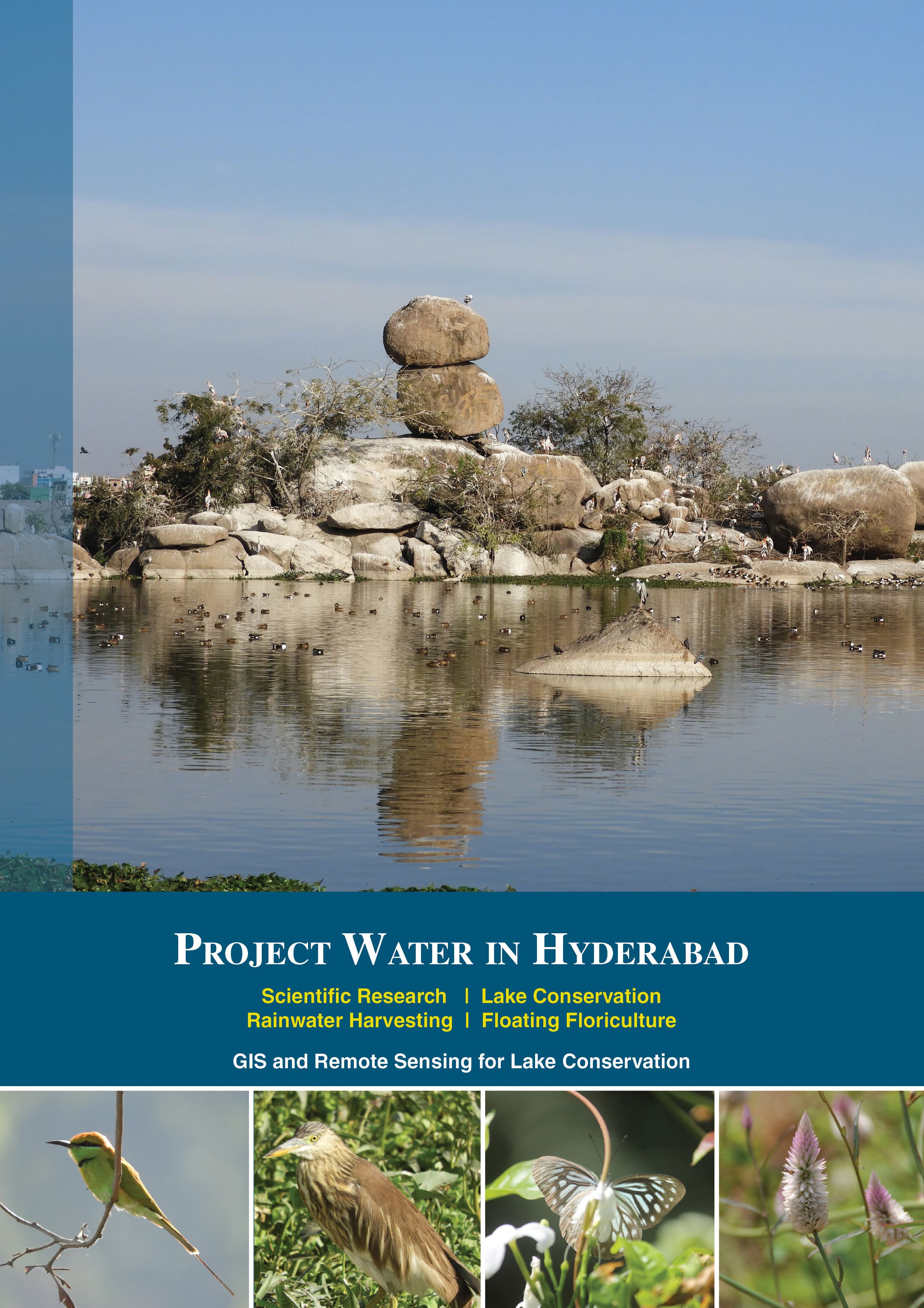
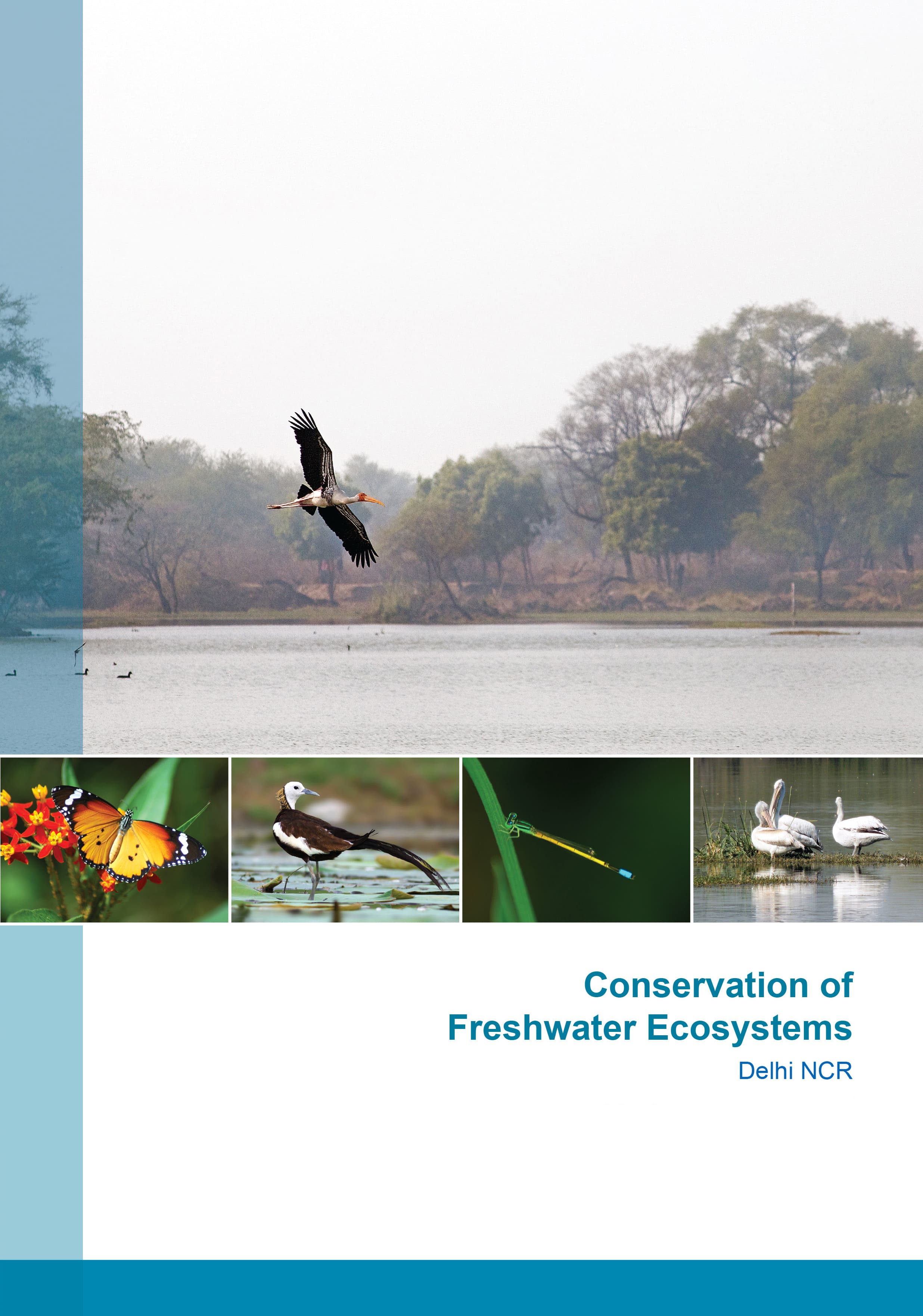
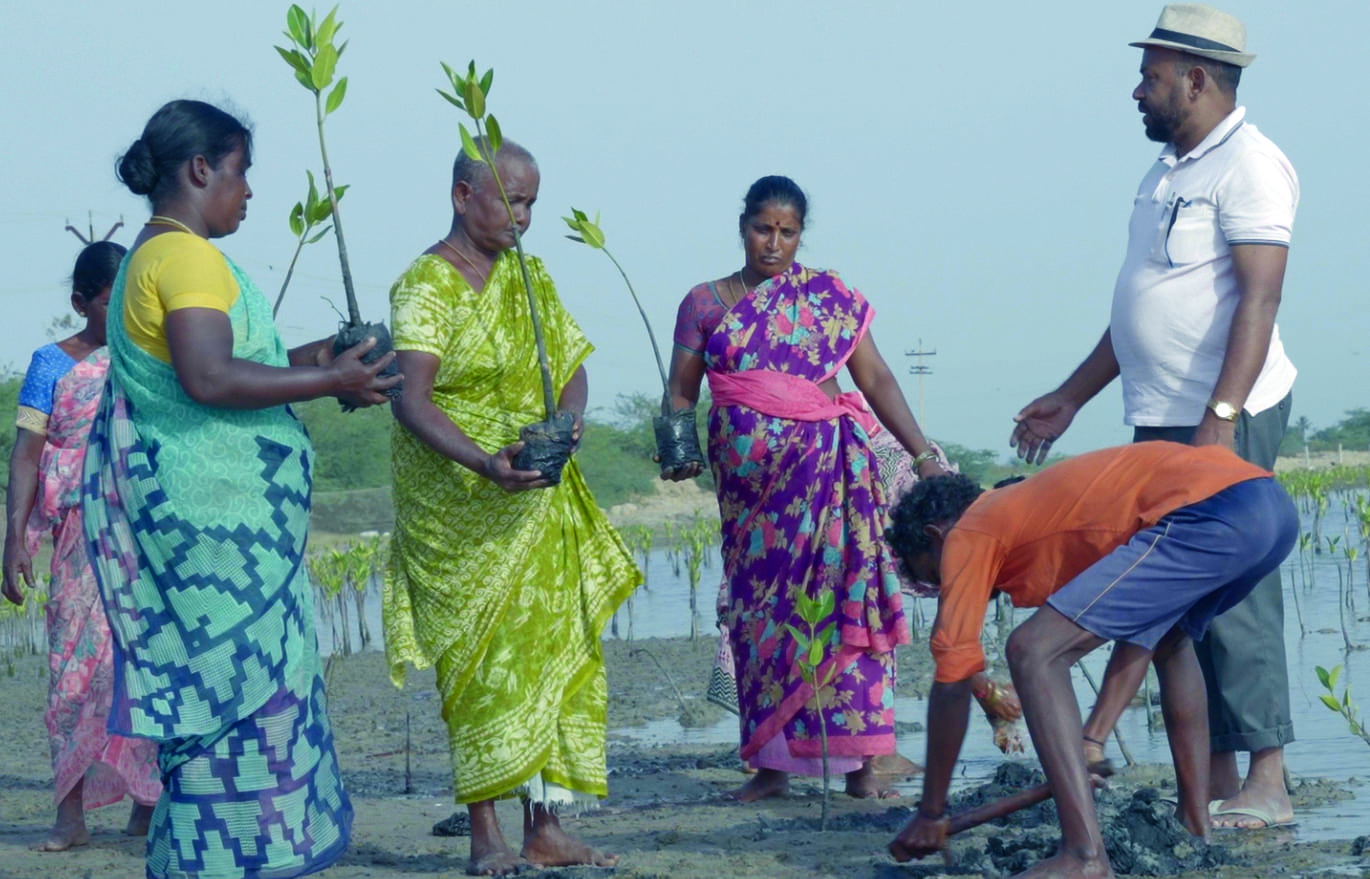
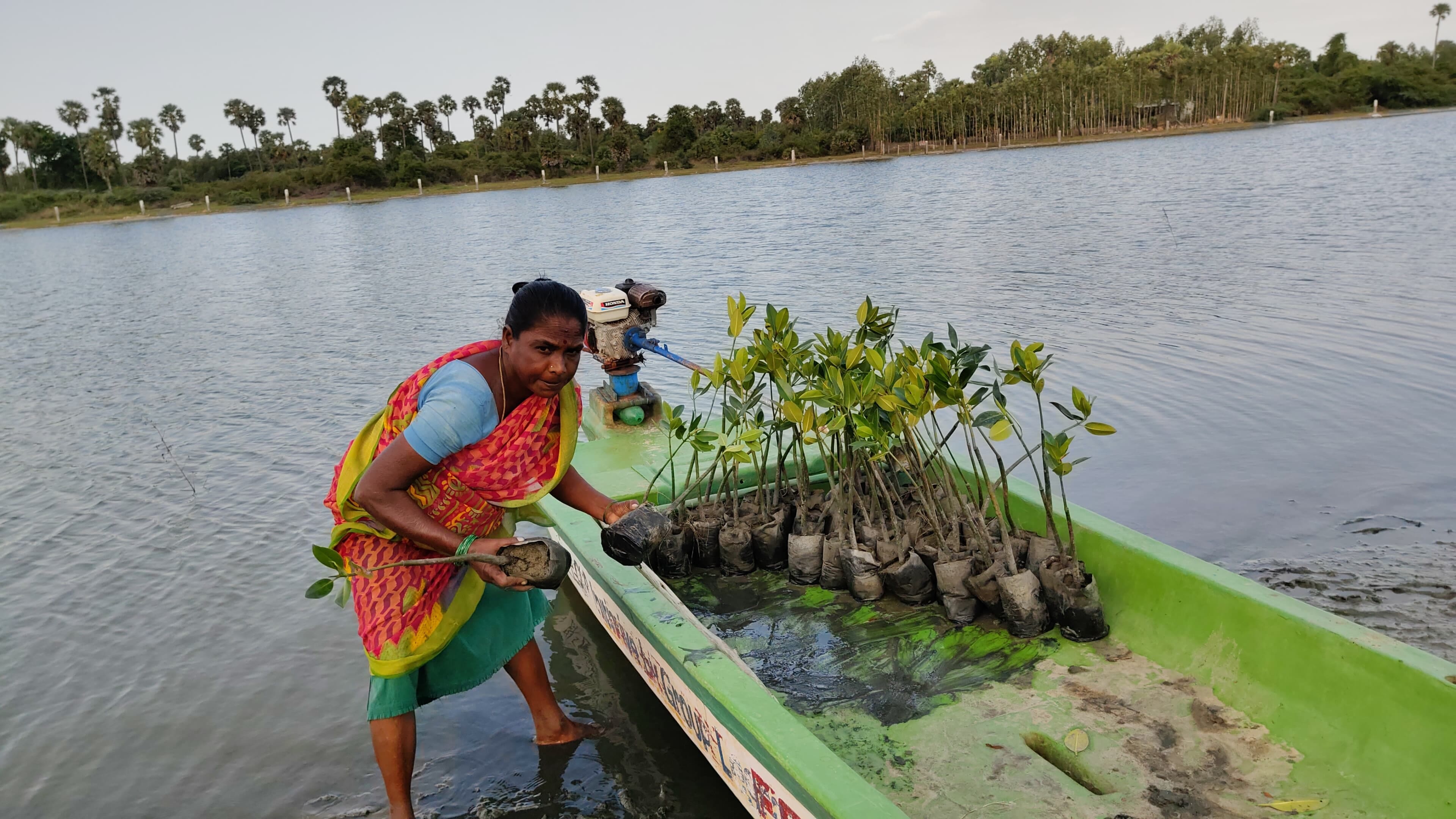
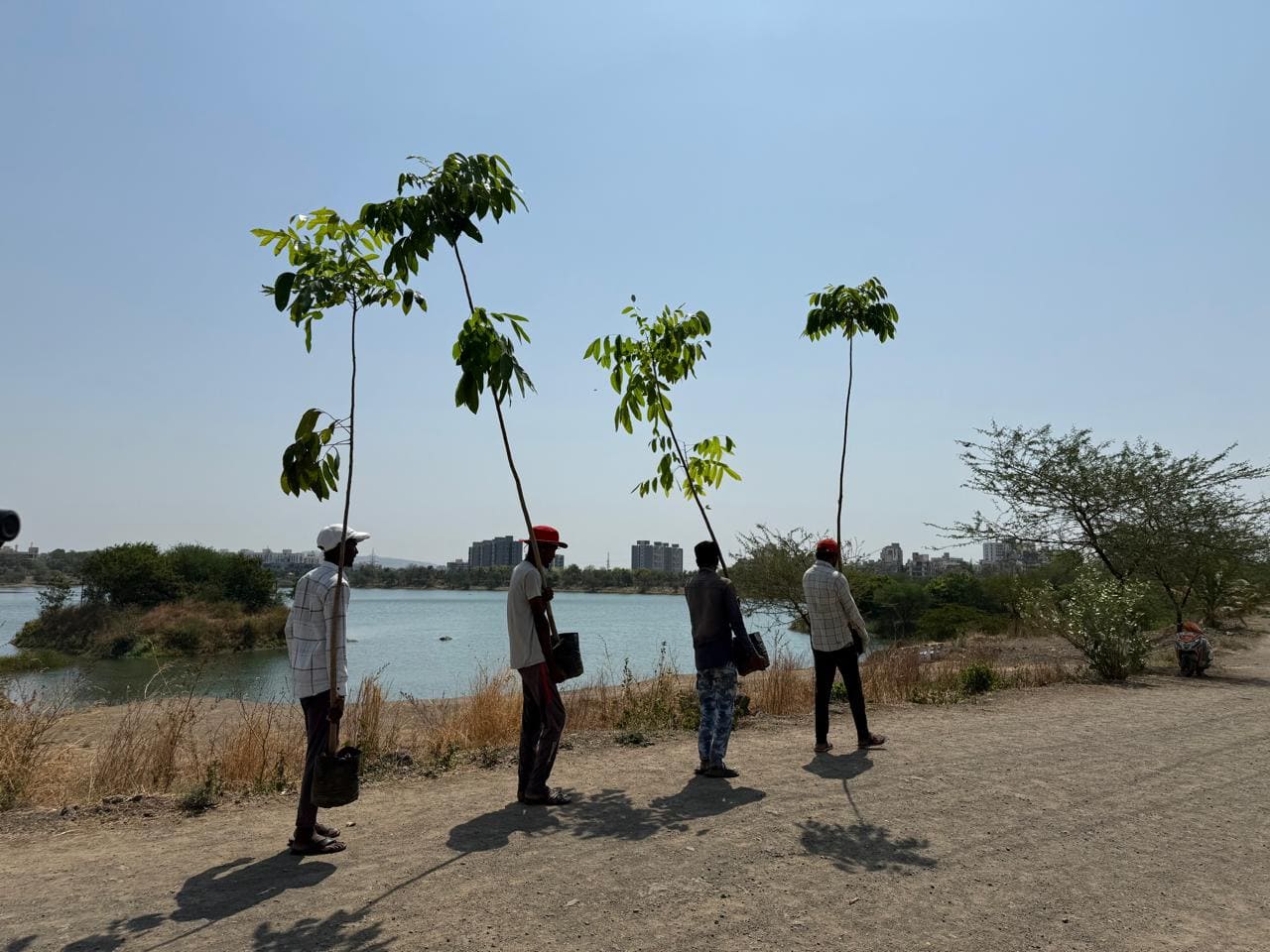
Native Trees and Community-led Plantation Programme
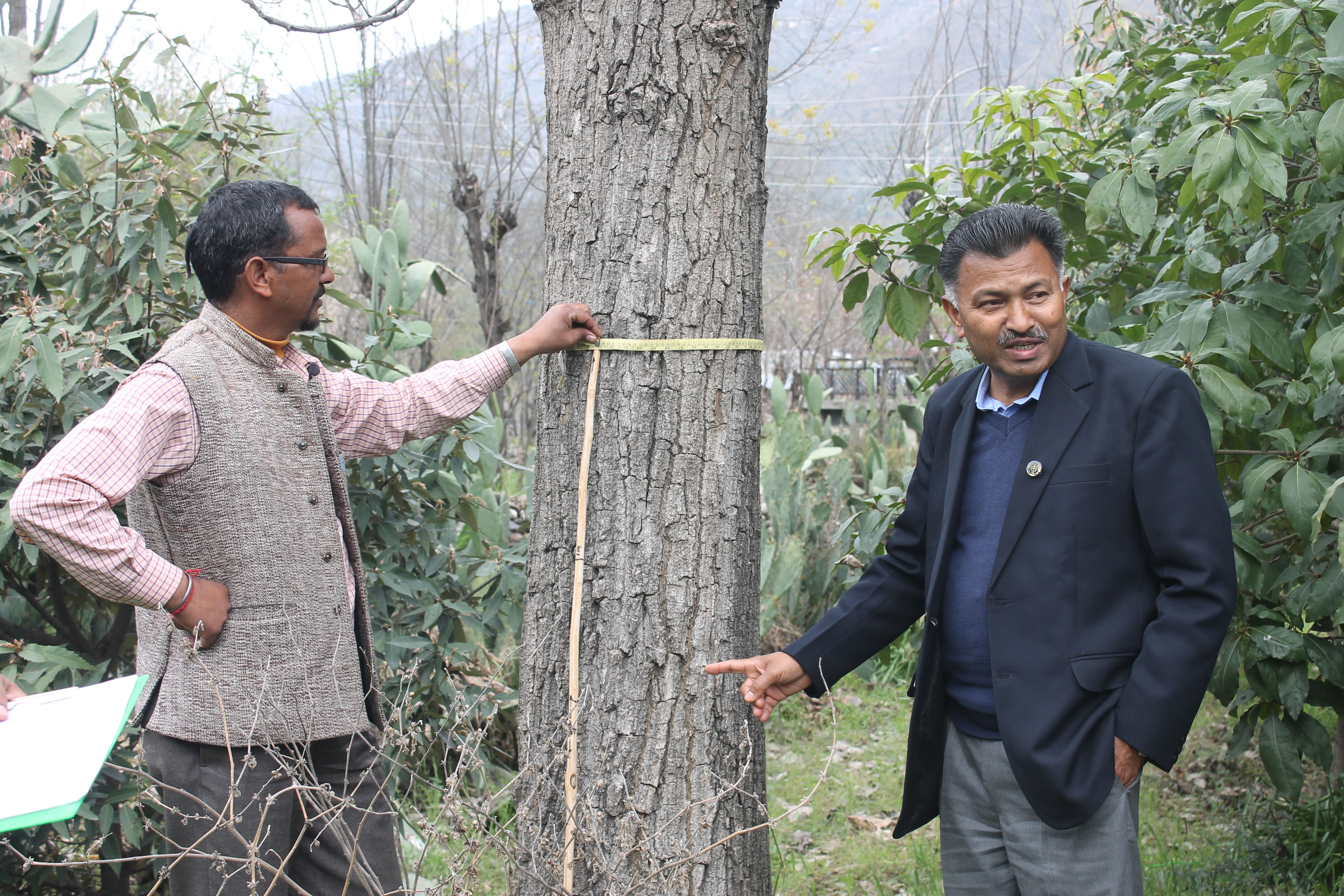
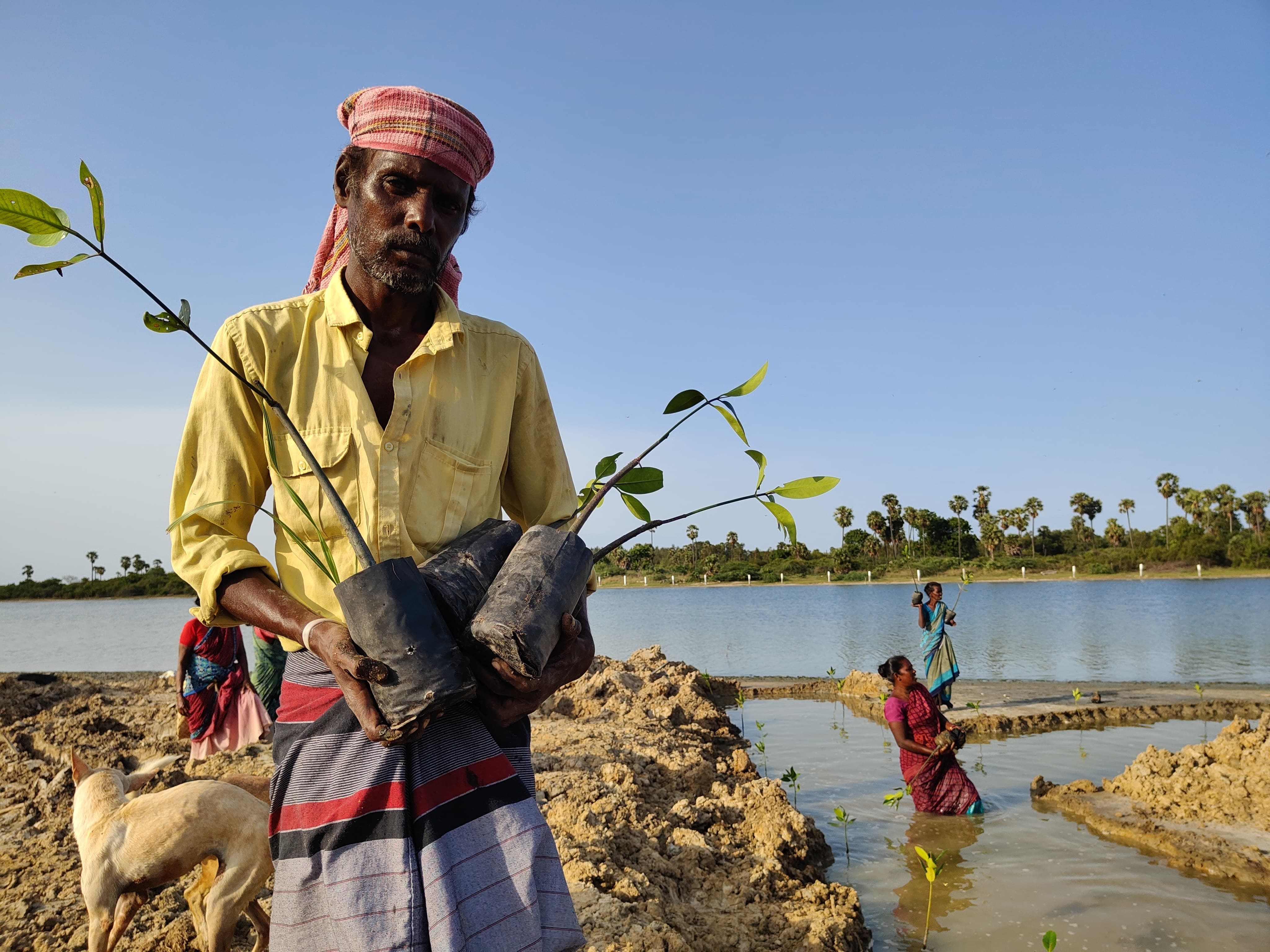
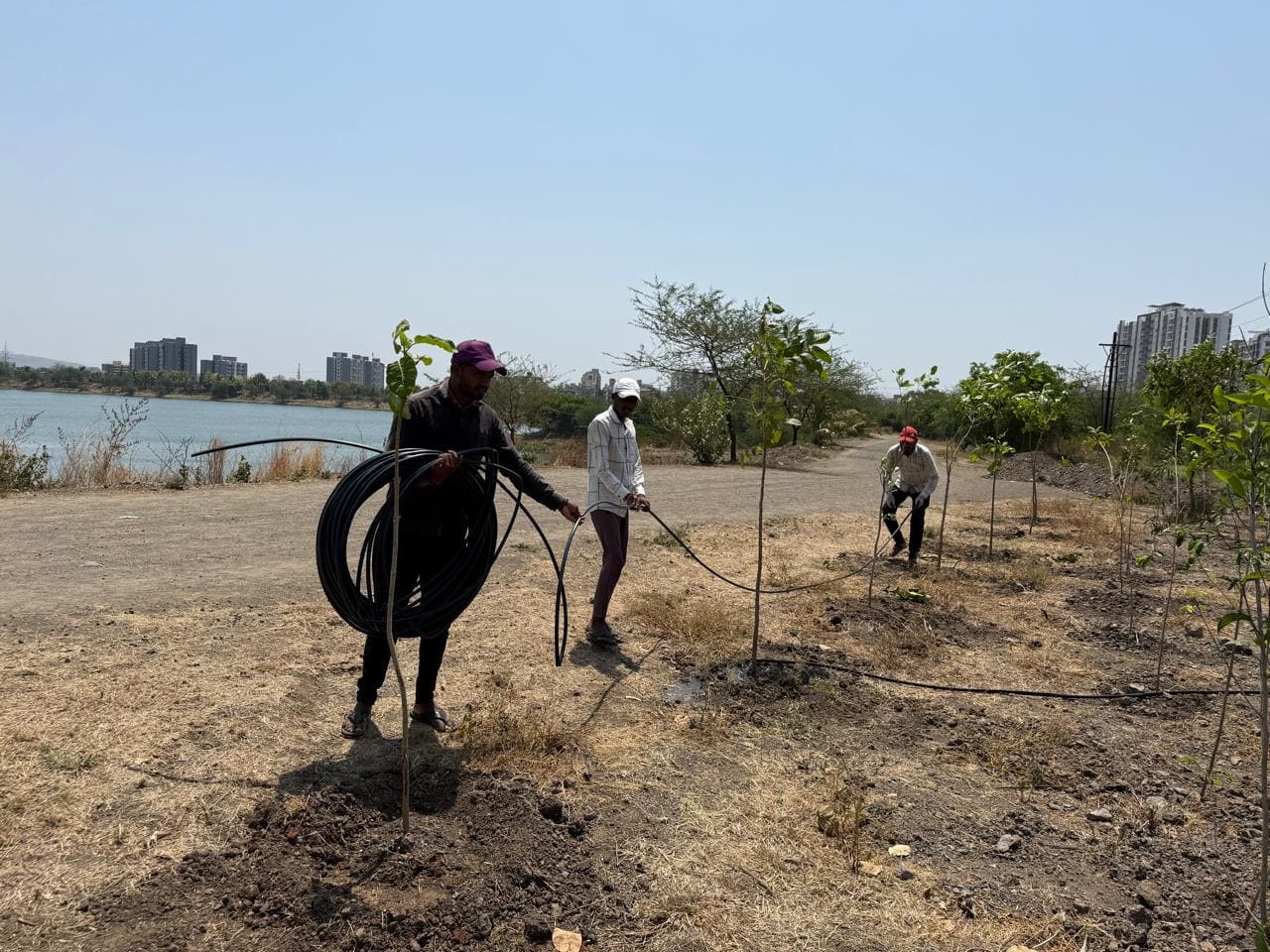
Tree planting is an important component of the project, with an emphasis on native species, habitat creation and longterm survival of trees planted.
The project encourages participants to understand - Why native trees are important, How trees support birds and insects,How trees provide food, nesting and shelter, How trees contribute to local ecological networks, How trees provide shadeand reduce heat, How vegetation contributes to soil and water conservation, How trees contribute to carbon storage,How to select appropriate species for local conditions, How to plant trees responsibly, How to protect young plants andHow to monitor tree growth and survival.
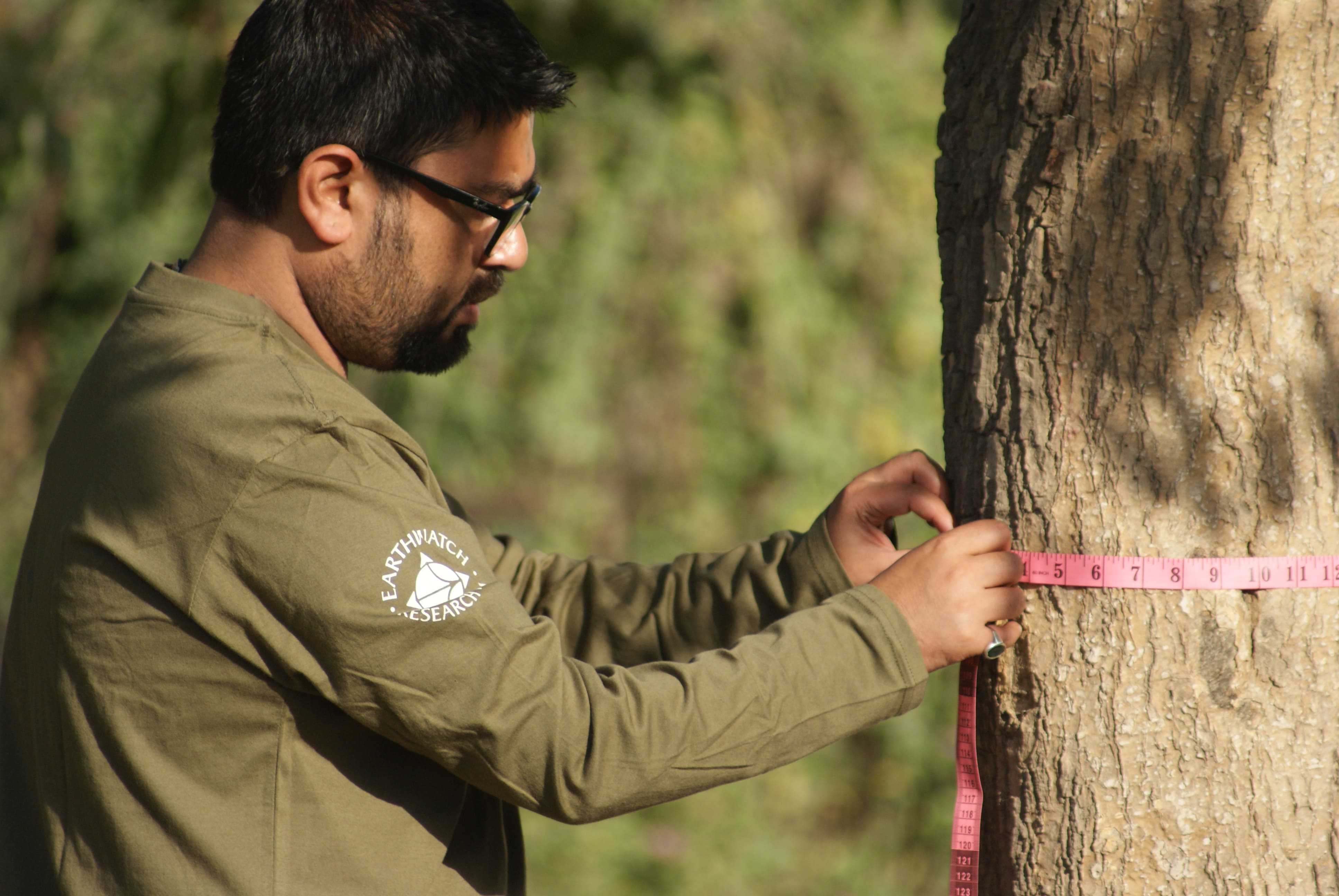
Community-led Plantation Activities
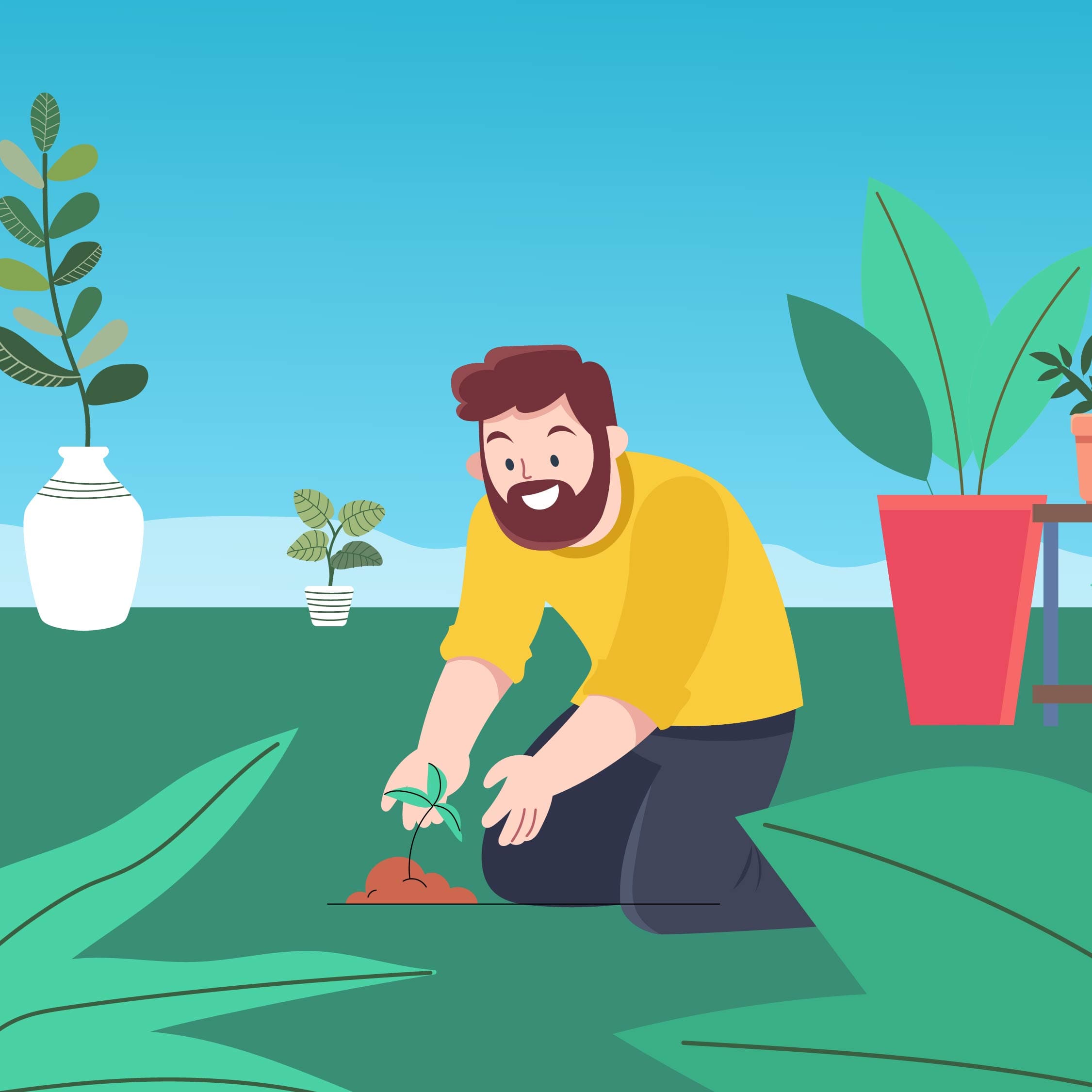
Community-led activities include - Native tree plantation drives, School biodiversity gardens, Community tree-planting programmes, Restoration of green spaces, Plantation around suitable community areas and waterbodies, Creation of native tree corridors, Protection of existing trees, Tree mapping, Tree identification programmes, Tree health observations, Adopting and caring for planted trees, Developing local native plant nurseries, Seed collection and propagation of suitable native species and Awareness programmes. The project encourages - Plant, Protect, Monitor and Nurture approach.
Birds and Habitat Conservation
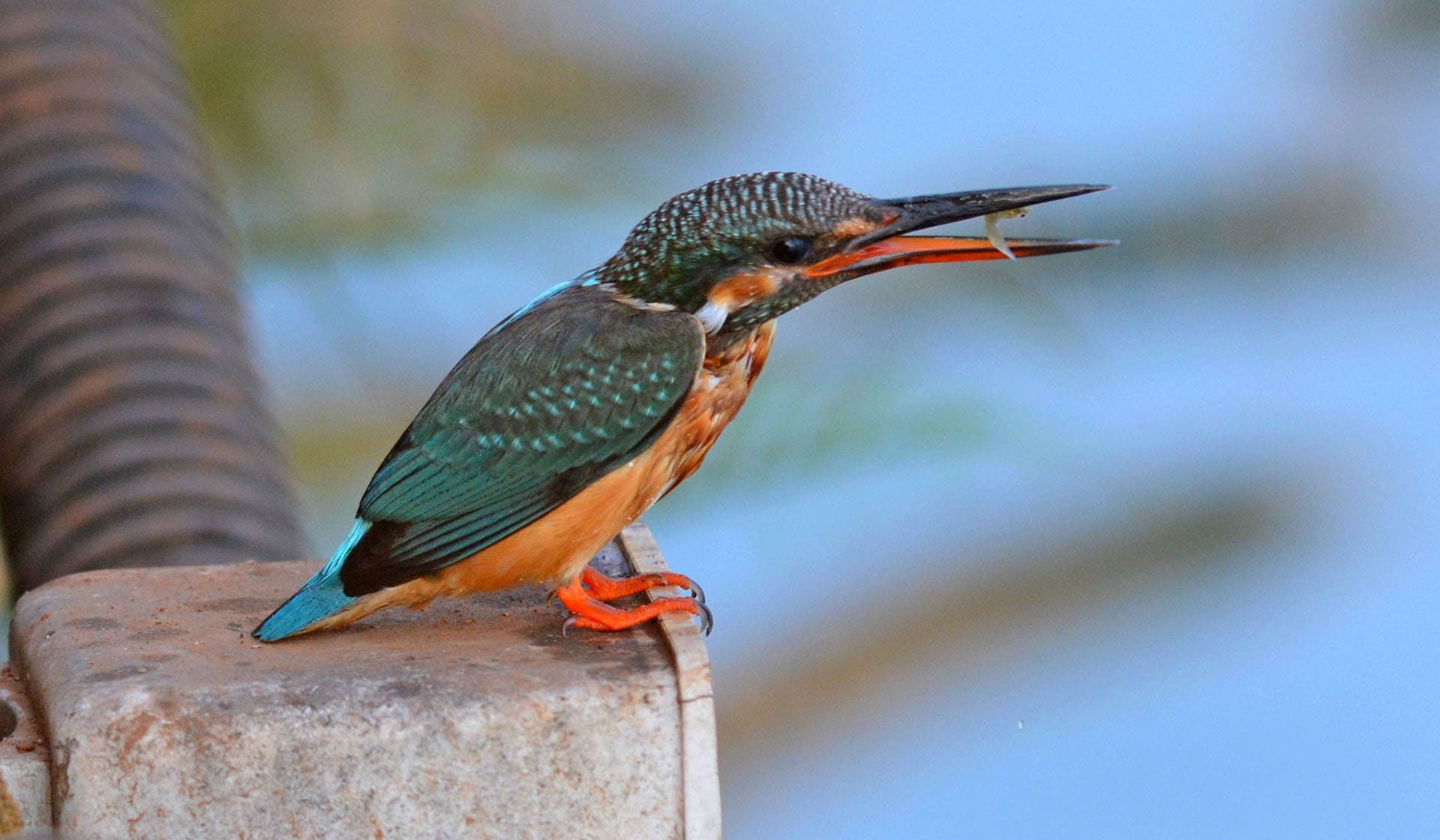
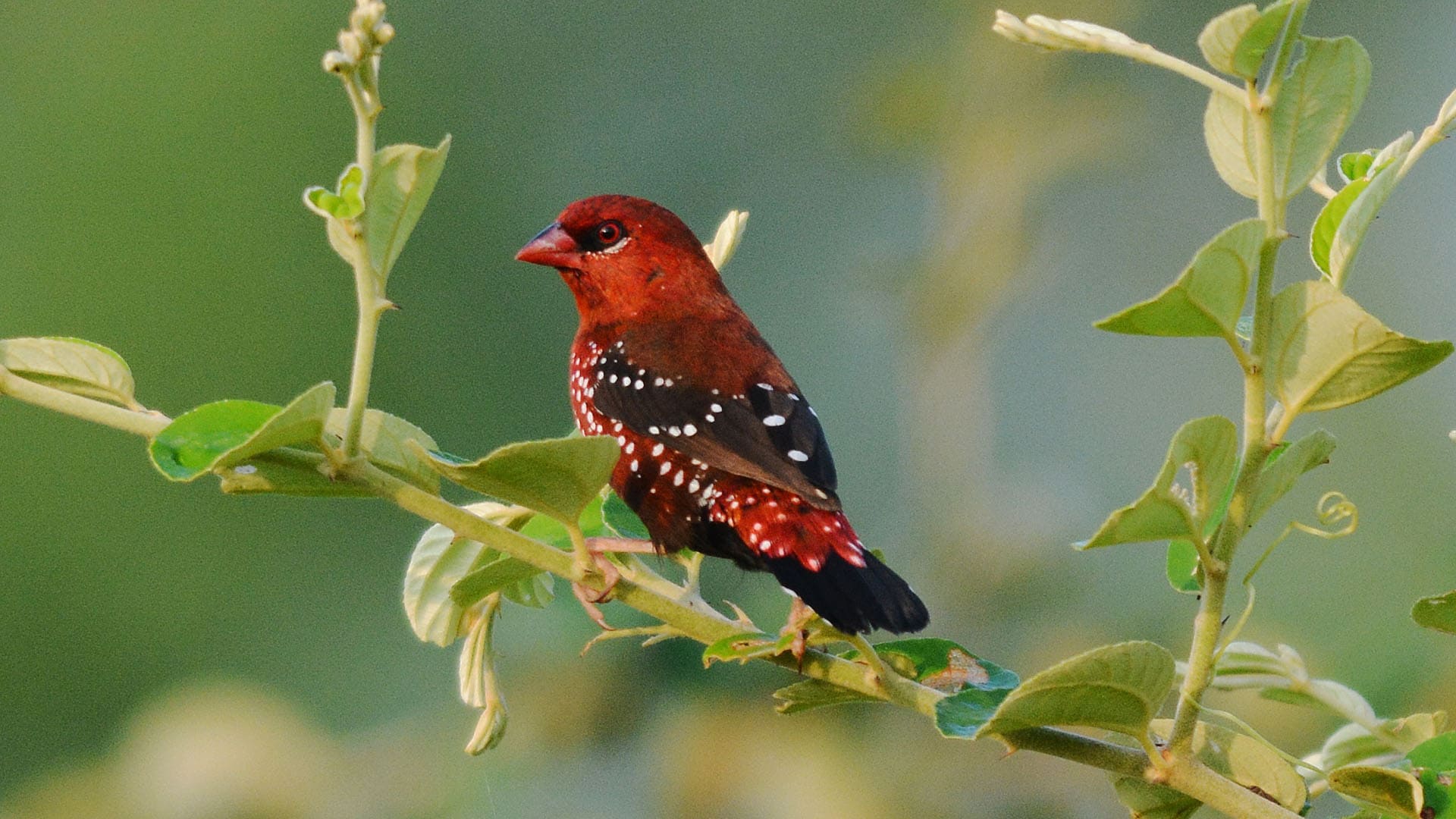
Birds are important indicators of the health of local ecosystems. Different birds depend on different habitats, food sources, nesting locations and vegetation. Protecting bird diversity requires protecting and improving habitats. The project introduces participants to local birds and encourages them to understand their ecological roles and the protection of their habitat.
Bird Learning Activities
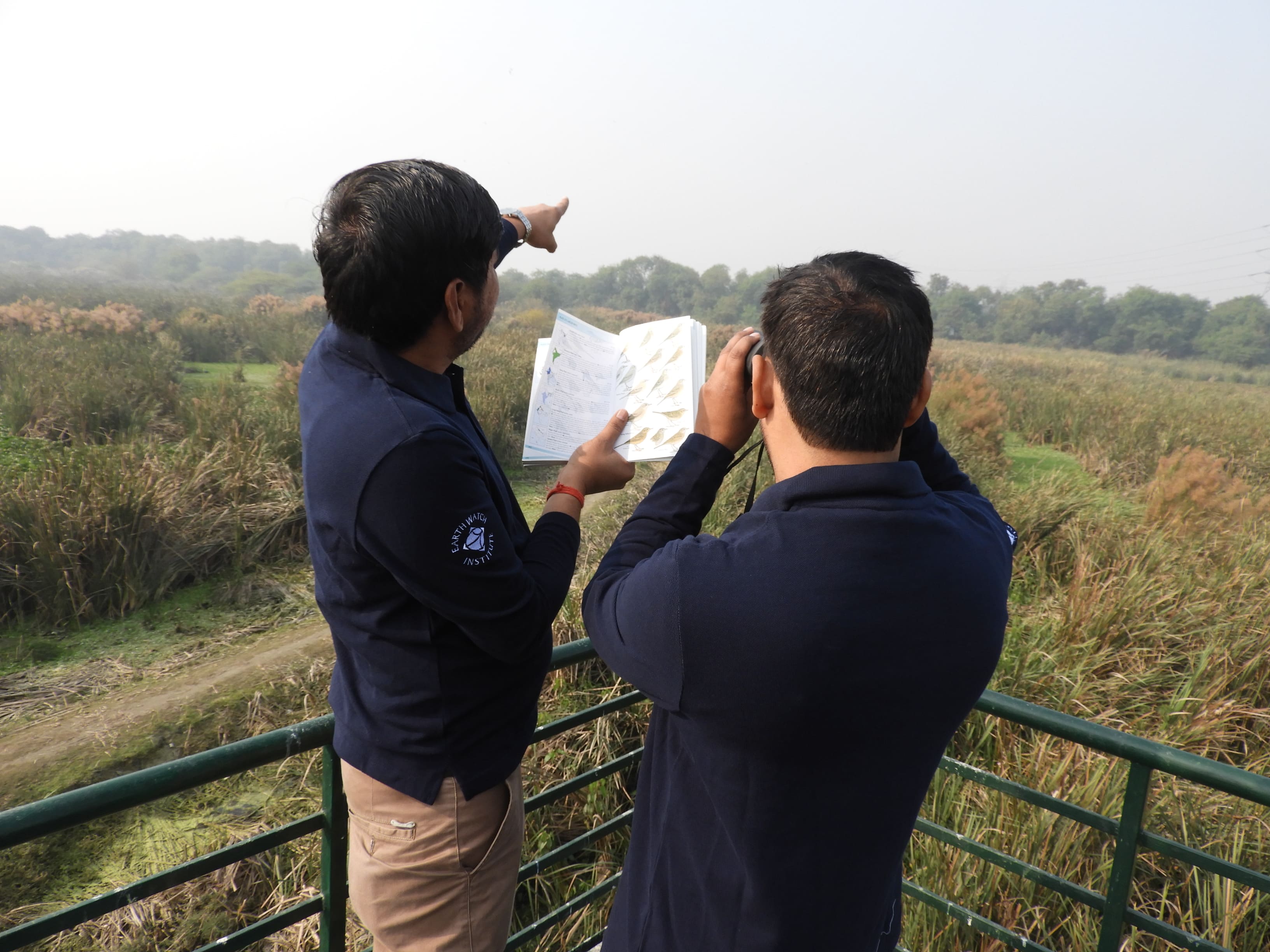
Participants as Citizen Scientists, learn about Common local birds, Migratory and resident birds, Bird identification, Bird calls and behaviour, Bird feeding and foraging, Nesting habitats, Trees and plants used by birds, Importance of water sources, Habitat conservation, Importance of native vegetation and responsible bird observation. As Citizen Scientists, participants support scientists and avi-fauna experts in long-term research and scientific studies.
Community Bird Conservation Activities
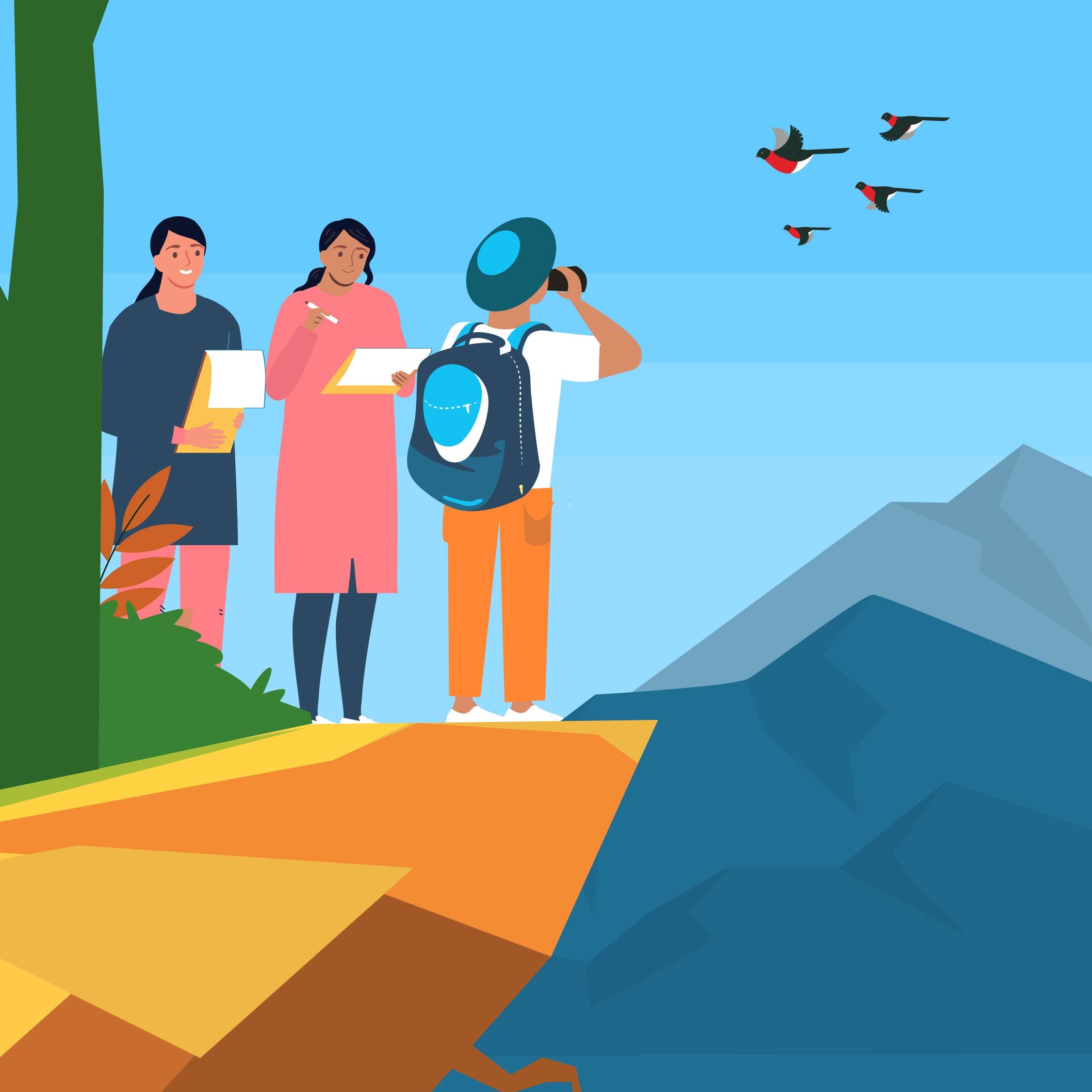
Communities can undertake simple actions such as - Local bird surveys, Bird counts, Bird walks, Mapping bird habitats, Recording bird sightings, Identifying important bird habitats, Protecting nesting trees, Creating bird-friendly gardens, Maintaining suitable vegetation, Creating safe water sources for birds where appropriate, Protecting natural food sources, Reducing disturbance to nesting birds, Developing school bird-watching programmes and Creating local bird documentation projects. Participants can document observations through field notes and Citizen Science forums.
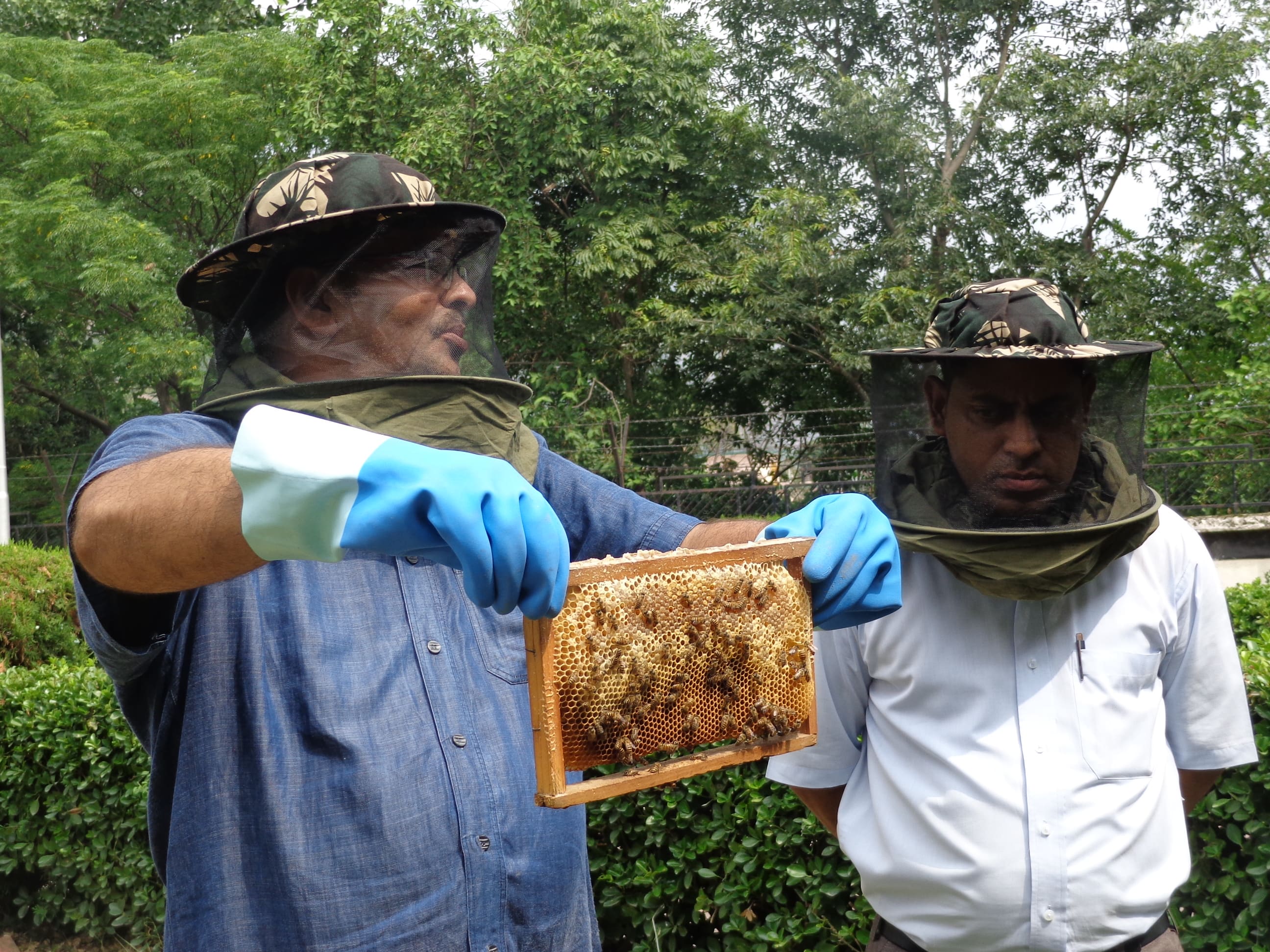
Bees, Butterflies and Pollinators
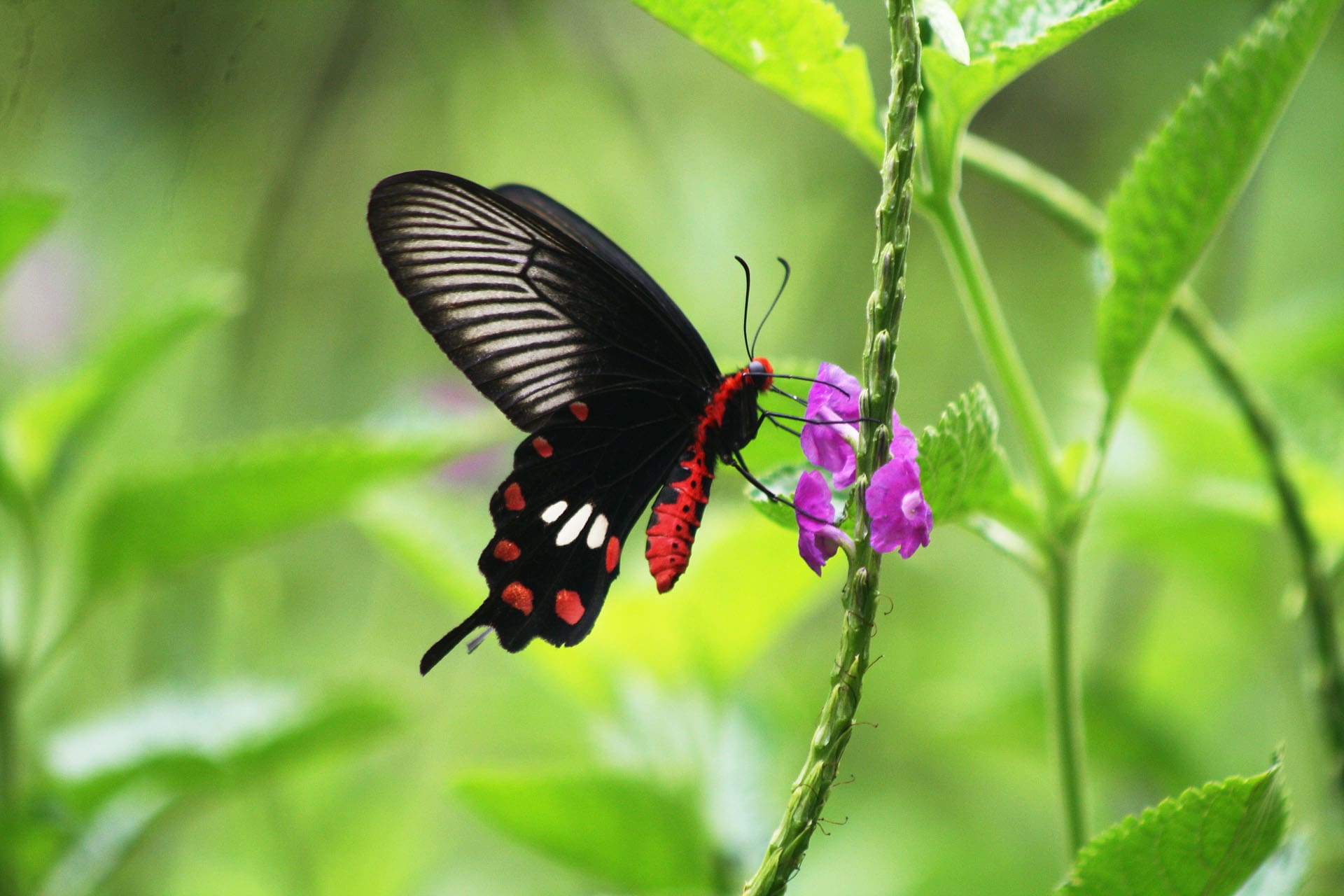
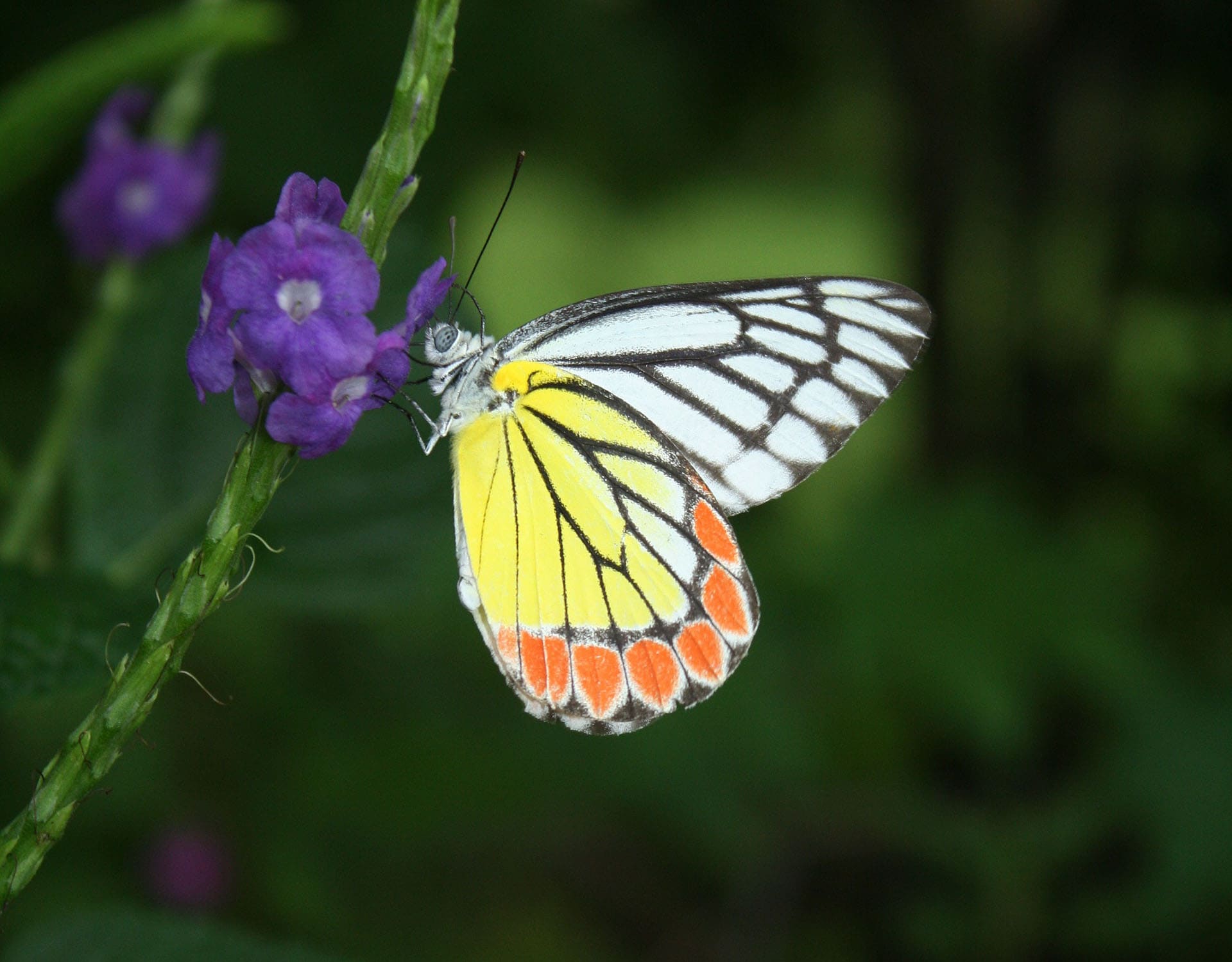
Bees, butterflies and other pollinators play an important role in ecosystems and food production.
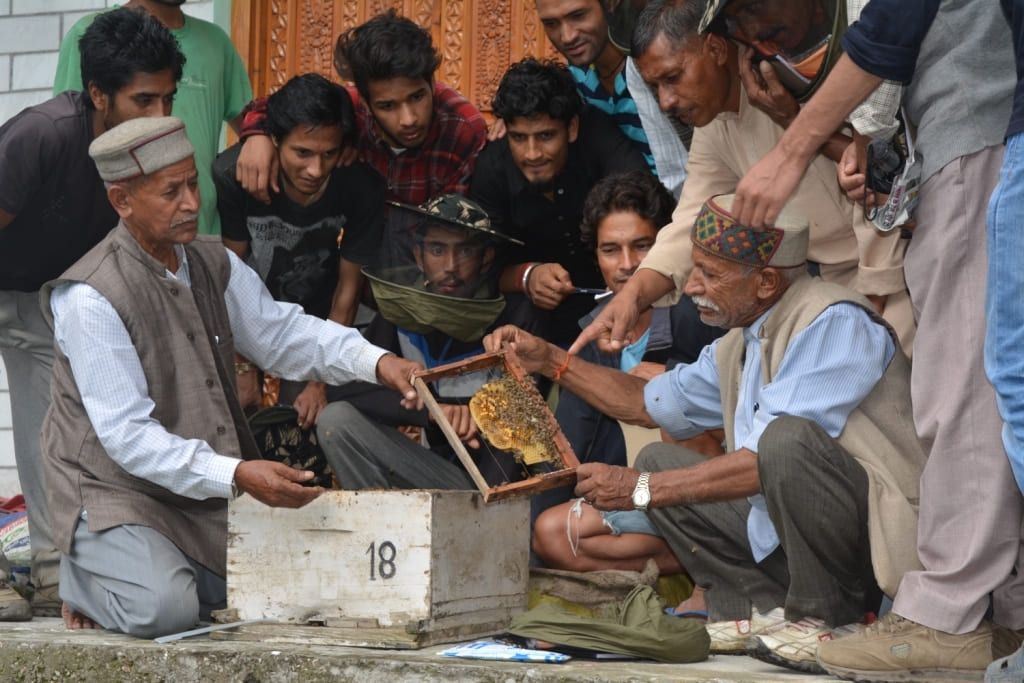
The project aims to create awareness about pollinators and encourage communities to create pollinator-friendly habitats. Participants learn that pollinators need more than individual flowering plants. They need suitable sources of food, water, shelter and habitat throughout the year.
Learning Activities - Participants can learn about: Bees and native bee diversity, Butterflies and their life cycles, Pollination, Pollinator–plant relationships, Flowering seasons, Nectar and pollen sources, Host plants for butterflies, Bee and butterfly habitats, Native flowering plants, Seasonal availability of flowers and Pollinator-friendly landscape design.
Bee Flora and Pollinator Gardens
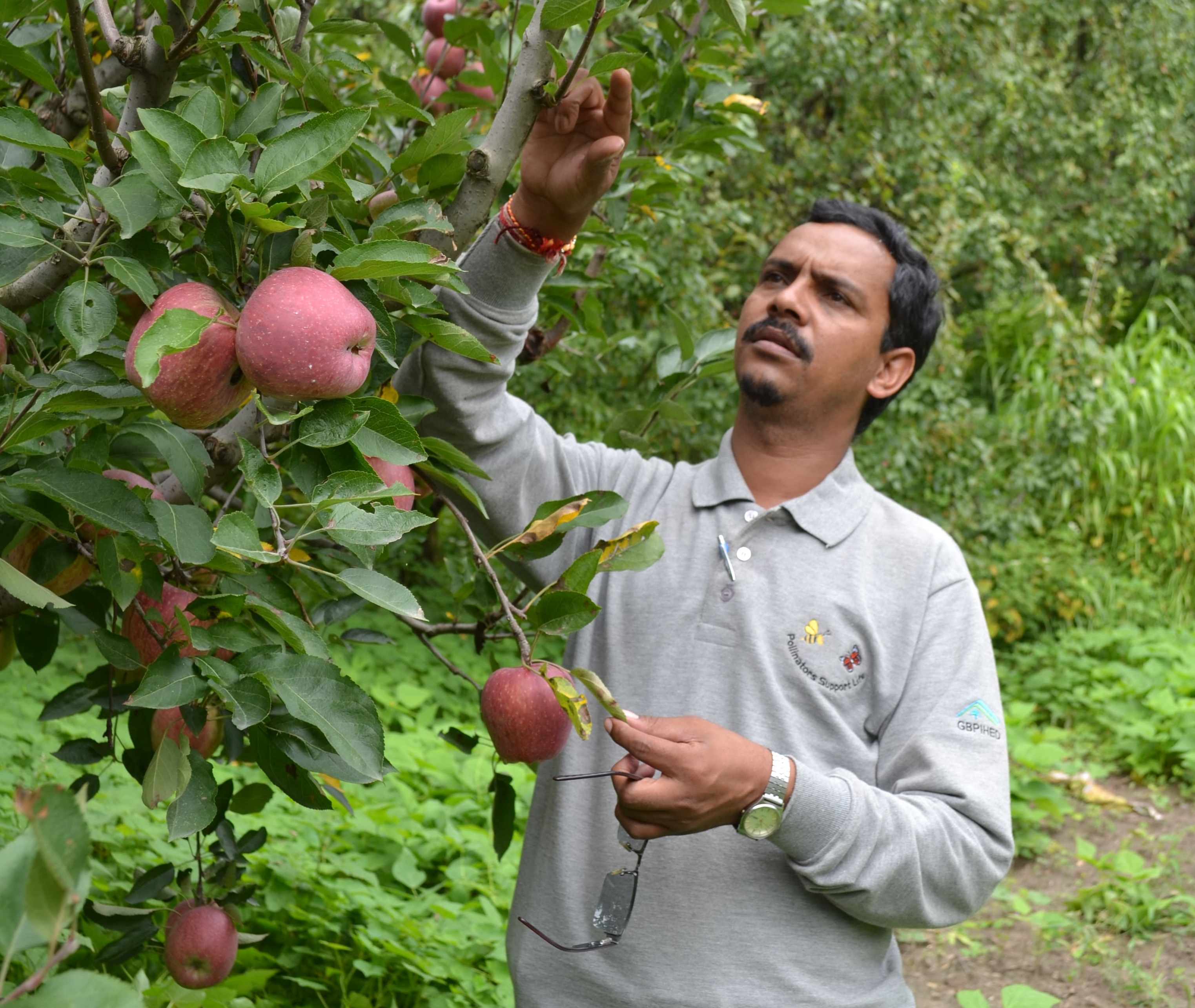
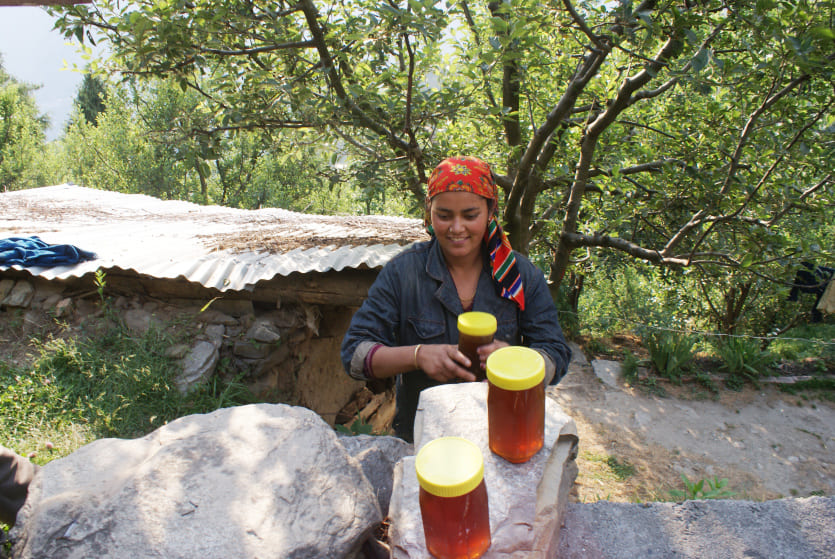
A key component of the project is promoting bee flora and pollinator-friendly planting. Bee flora refers to plants that provide important nectar and pollen resources for bees and other pollinators. The project encourages communities to establish small and practical Bee Flora Gardens, Butterfly Gardens and Pollinator Patches using suitable locally appropriate plants. These can be created in – Schools, Community spaces, Parks, Institutional campuses, Gardens, Urban open spaces, Around suitable water bodies, Village Farms and community landscapes.
Bee Flora and Pollinator Gardens
Activities may include - Identifying locally suitable flowering plants, Planting native flowering species, Creating year-round flowering patches, Developing butterfly gardens, Planting butterfly host plants, Creating bee-friendly gardens, Mapping flowering plants, Recording flowering seasons, Monitoring bee and butterfly visits, Establishing school pollinator gardens, Developing community bee-flora gardens, Creating educational signage and Monitoring pollinator diversity. The objective is not simply to plant flowers, but to create living habitats that support pollinators throughout the year.
Field-Based Conservation and Restoration
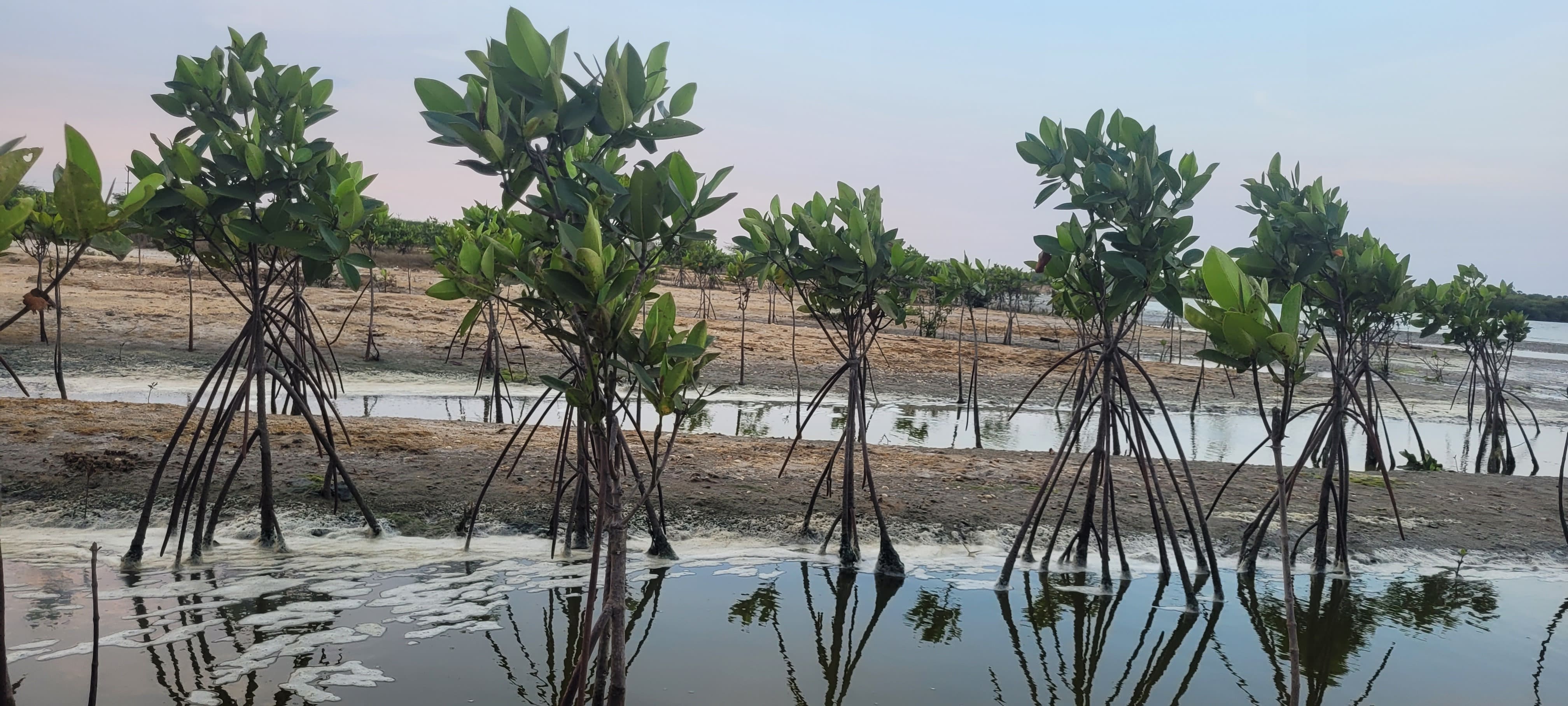
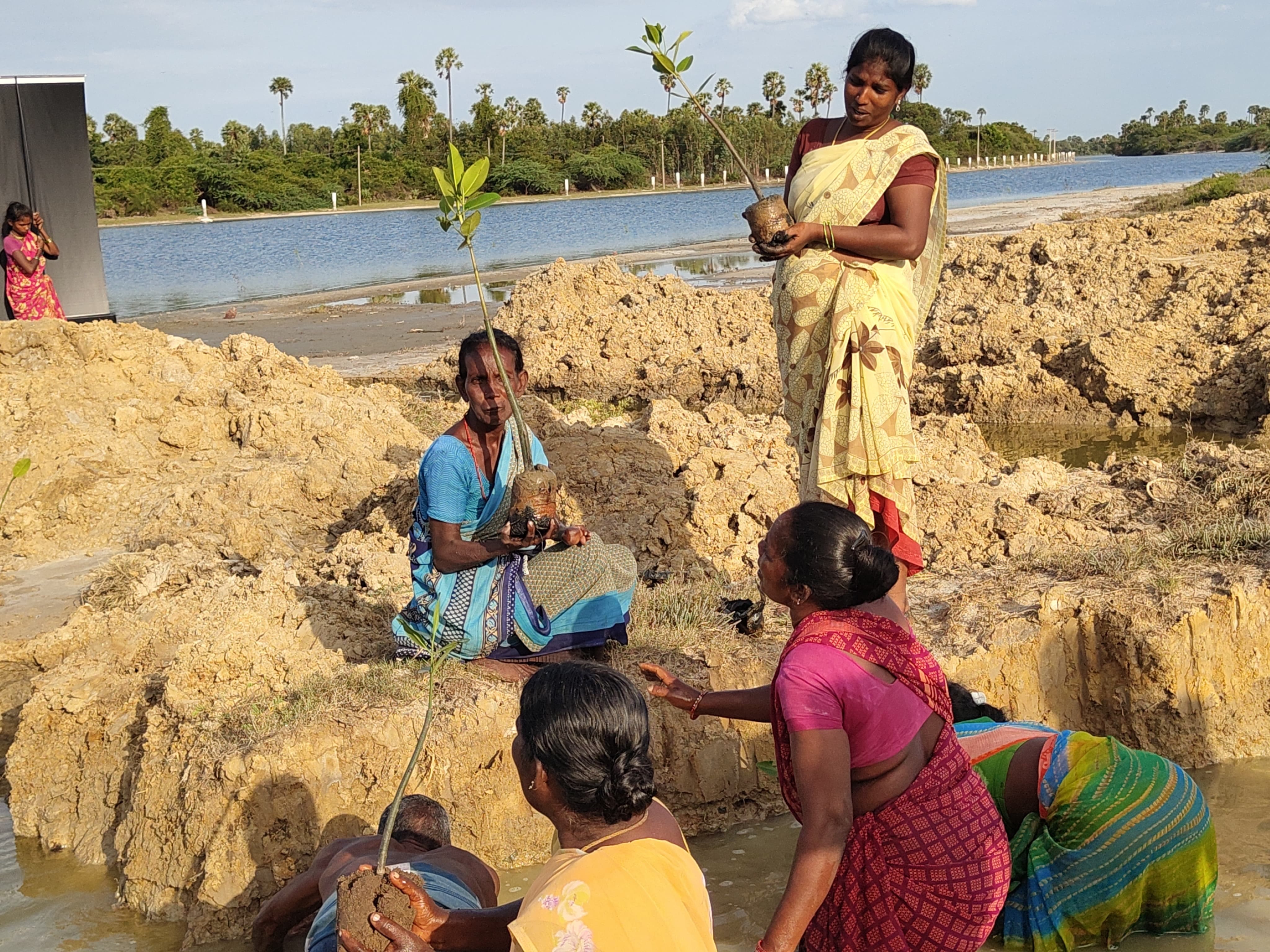
The project places strong emphasis on learning directly from nature. Field activities enable participants to observe biodiversity, identify local environmental issues and participate in practical conservation programmes. These may include - Nature walks, Biodiversity surveys, Tree identification walks, Bird-watching sessions, Butterfly walks, Bee and pollinator observations, Habitat mapping, Tree health assessments, Native plant identification, Flowering plant surveys, Pollinator garden monitoring, Bird habitat assessments, School biodiversity assessments, Community biodiversity mapping, Restoration of green spaces, Native plantation, Removal of invasive plants where ecologically appropriate, Habitat improvement activities, Creation of small biodiversity patches and Development of nature interpretation areas
Field activities should combine learning, observation and action, enabling participants to become active contributors to local conservation.
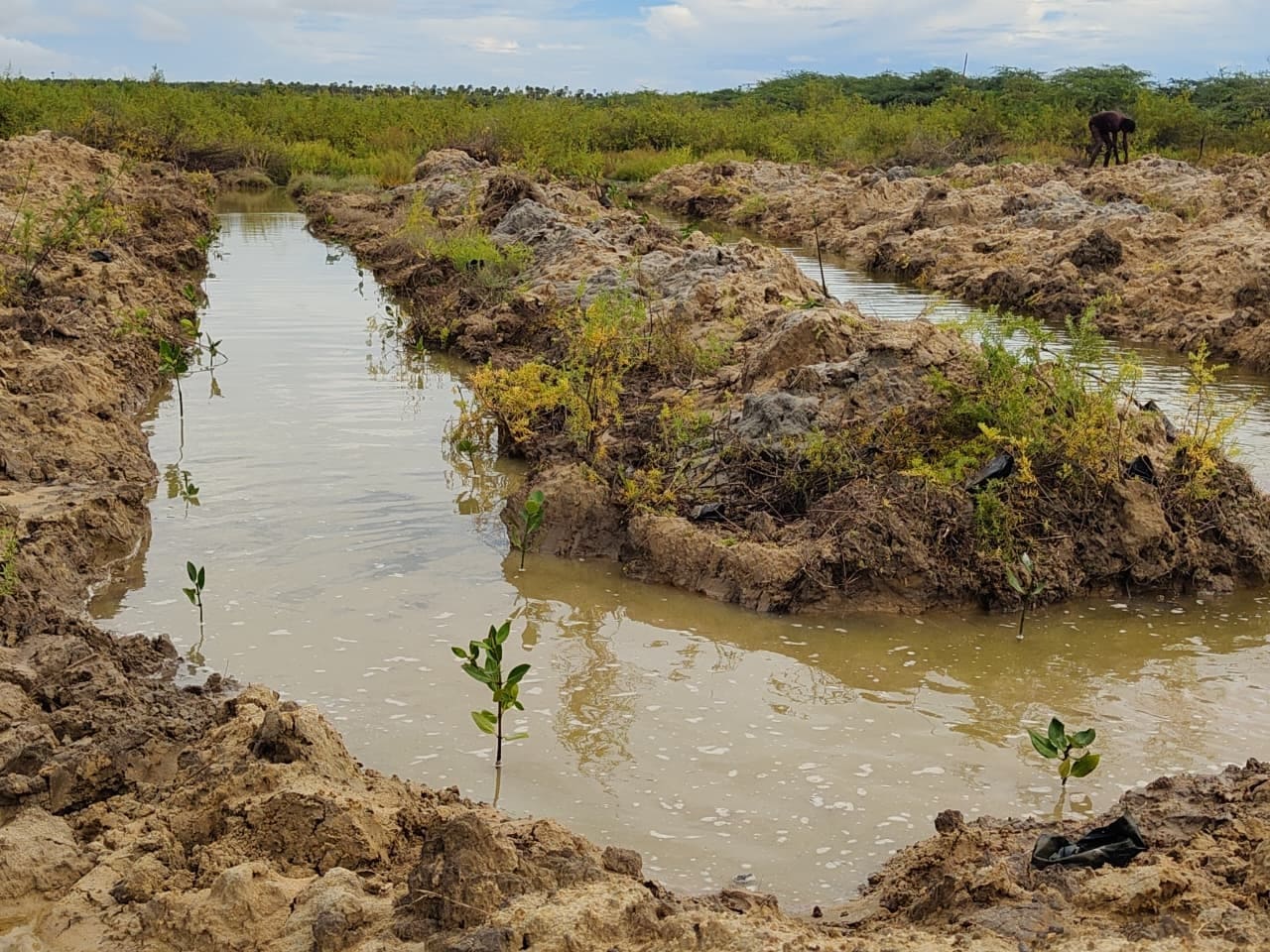
Citizen Science and Biodiversity Monitoring
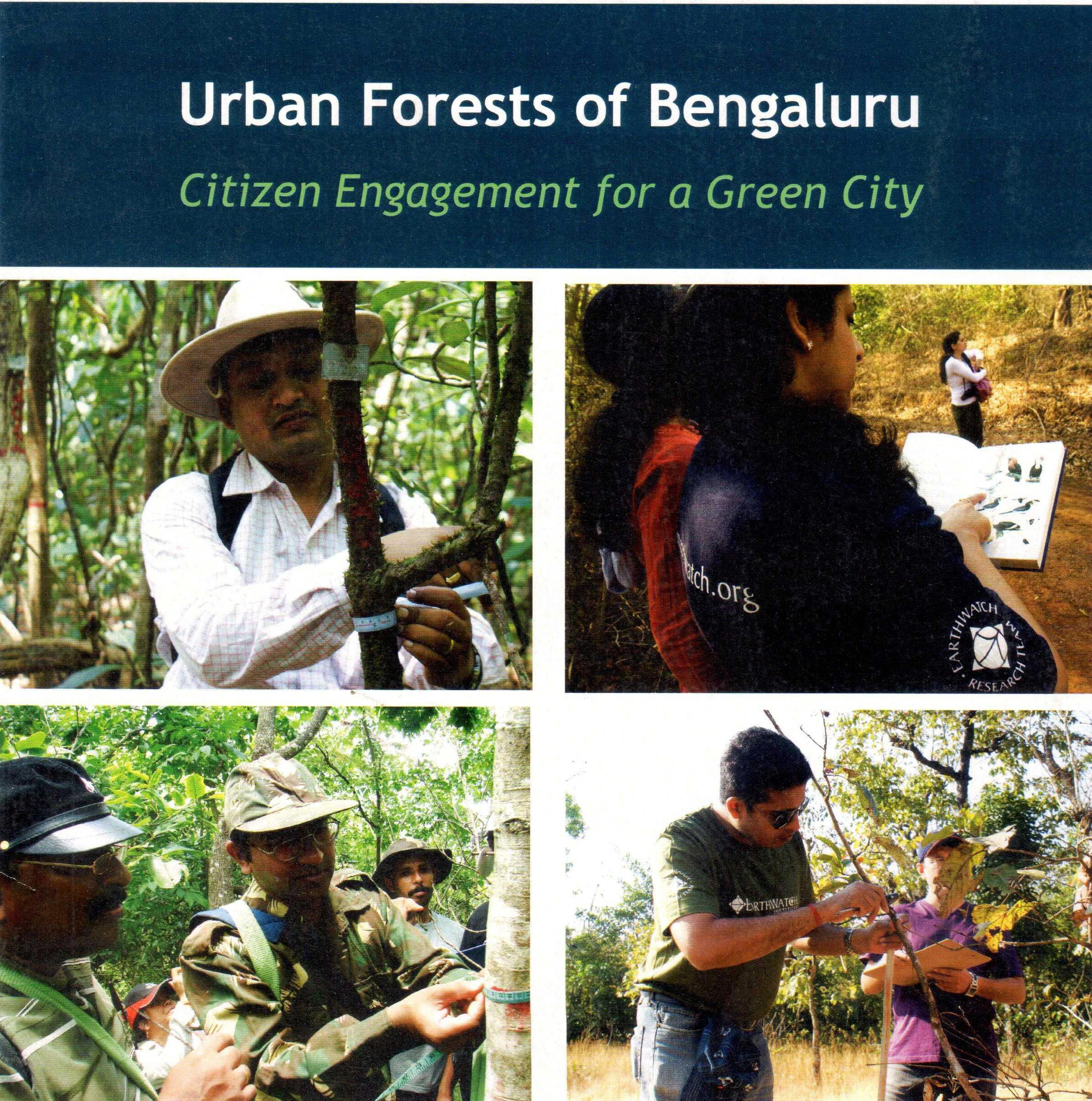
Citizen Science is a core component of Project Healthy Biodiversity and Nature. It connects classroom learning and community activities with real-world biodiversity research. Students, teachers and community members can participate in collecting and documenting information about their local environment.
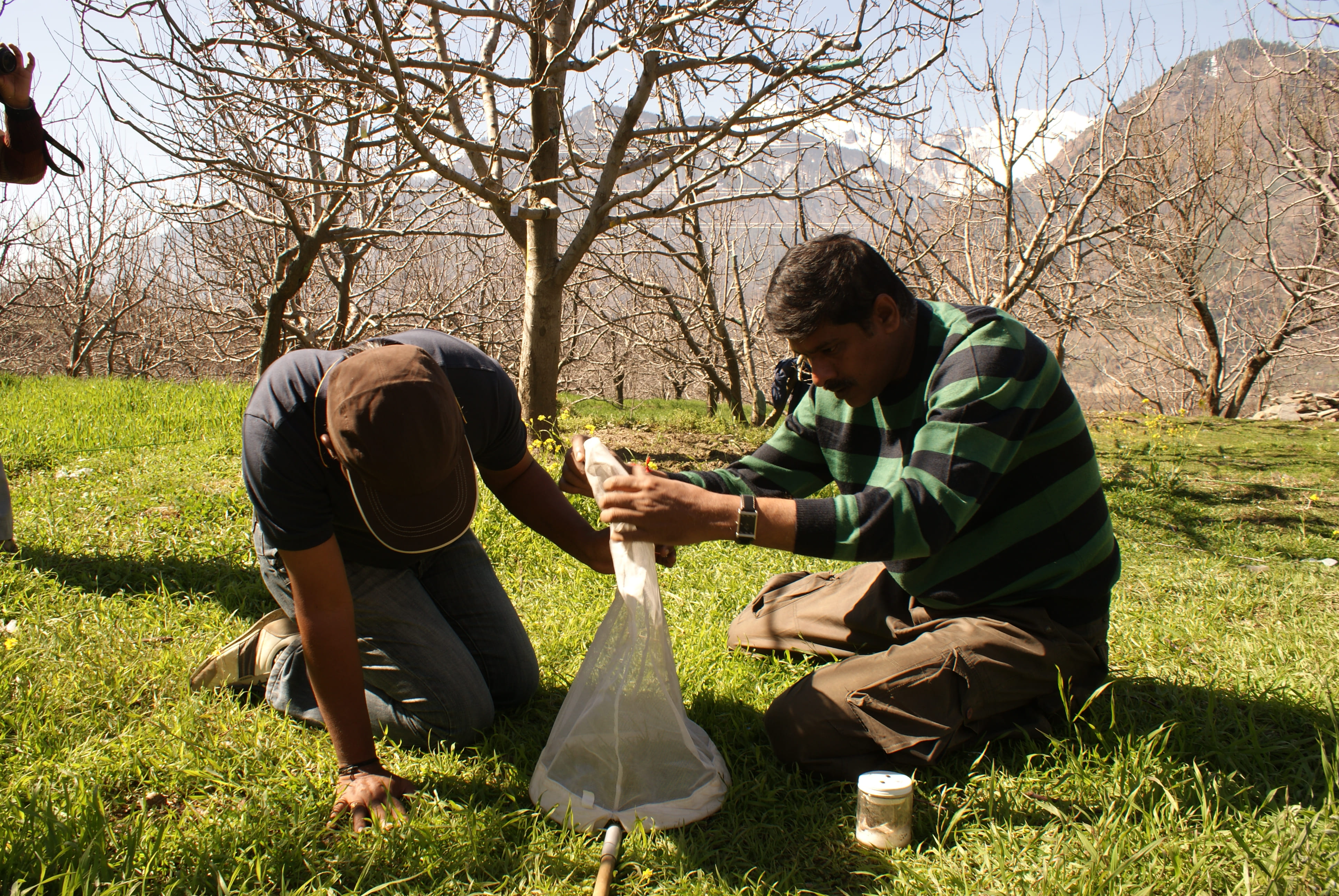
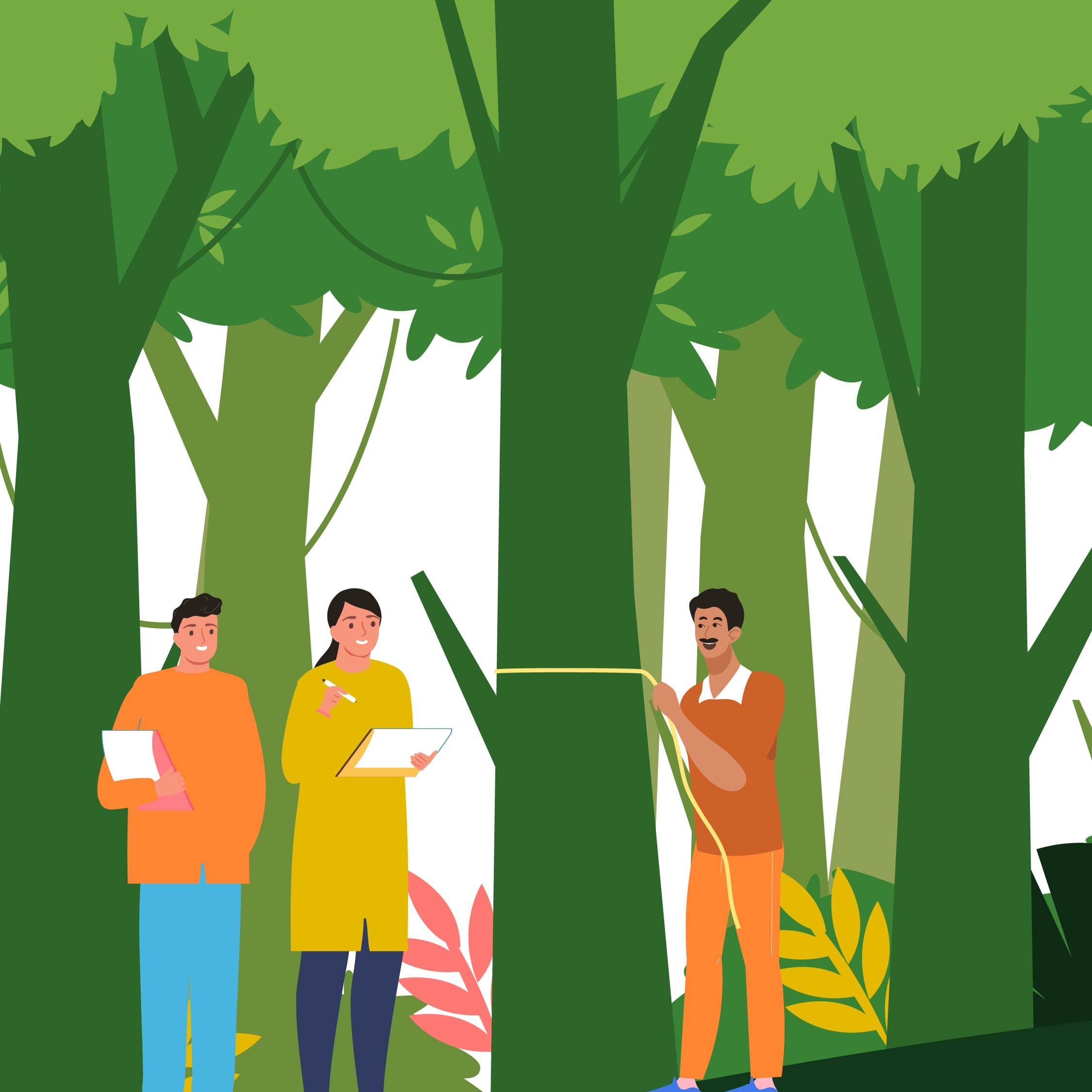
Citizen Science Activities - Participants can Record tree species, Map trees, Monitor tree growth, Record flowering plants, Record flowering seasons, Document bird species, Conduct bird counts, Record bird behaviour, Record butterflies, Record bees and other pollinators, Photograph and identify species, Document habitat types, Map biodiversity hotspots, Record seasonal changes, Monitor pollinator visits, Record changes in local biodiversity and Compare biodiversity between different habitats
Digital field guides, mobile applications and biodiversity databases can support identification, data collection and analysis. Participants can learn how to observe → identify → record → analyse → share → act.
Citizen Science also enables local observations to contribute to broader scientific understanding when collected using appropriate methods and quality controls. Citizen Scientists can support scientists and field experts and contribute to long term scientific studies.
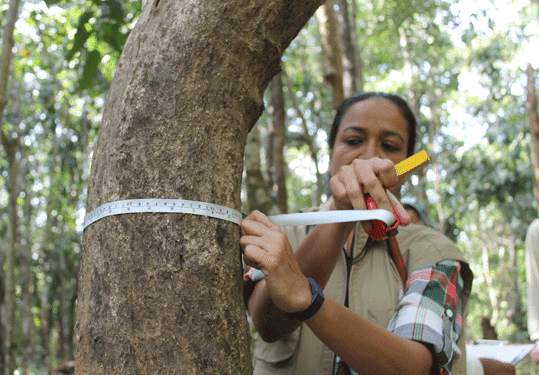
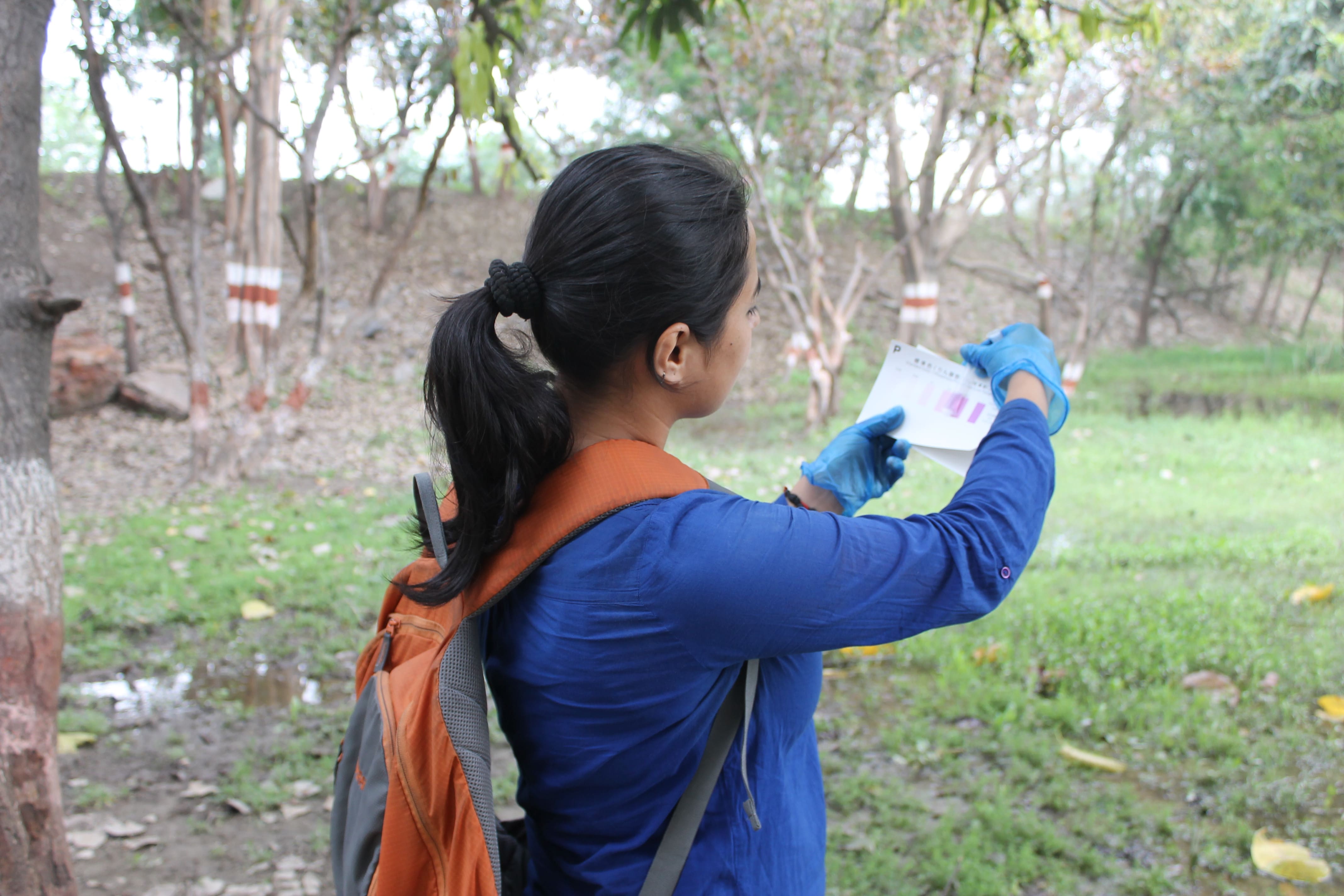
Citizen Science and STEM Education
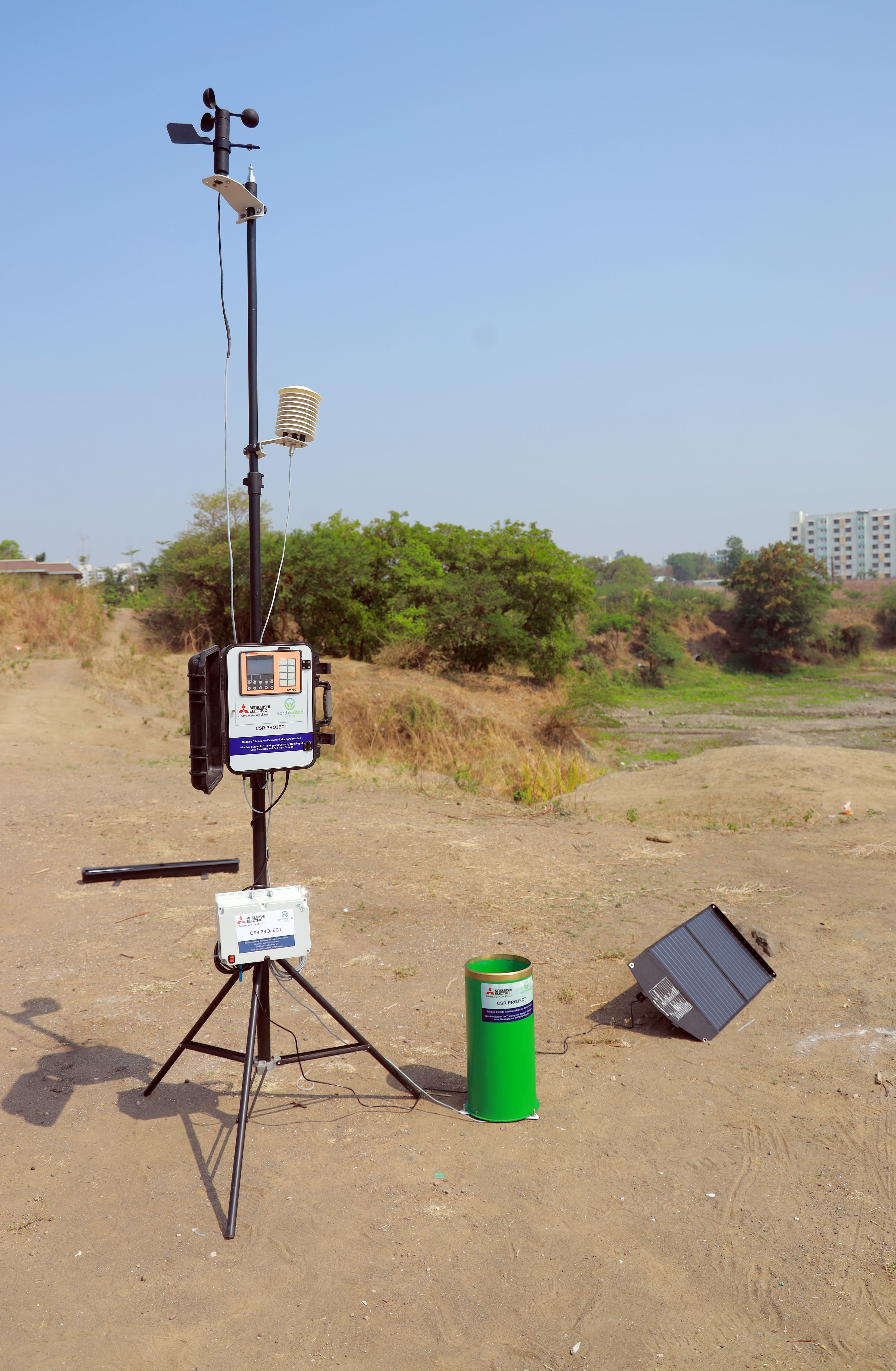
Biodiversity provides an excellent opportunity to connect environmental education with Science, Technology, Engineering and Mathematics
Students can investigate questions such as - Which trees are most common in our school? How many bird species can we observe? Which flowers attract the greatest number of pollinators? When do different trees flower? How does biodiversity change between seasons? Which habitats support the greatest diversity? How does tree canopy influence temperature? How many young trees survive after one year? Which plants are most visited by bees and butterflies? and How does habitat restoration influence biodiversity?
Students can collect data, create graphs, compare observations, identify patterns and develop simple explanations. These experiences help develop - scientific inquiry, observation, critical thinking, data literacy, data collection, problem-solving, collaboration, creativity and environmental responsibility.
Community-Based Biodiversity Conservation Programmes
Community participation is central to the project. Communities identify local biodiversity assets, understand issues and undertake simple conservation activities that are relevant to their surroundings.
Community Biodiversity Activities - Examples include - Community biodiversity mapping, Local tree mapping, Native tree plantation, Tree protection programmes, Community bird surveys, Butterfly surveys, Pollinator monitoring, Creation of bee-flora gardens, Butterfly gardens, Native plant gardens, Habitat restoration, Protection of existing natural vegetation, Restoration of green spaces, Community nature walks, Biodiversity awareness programmes, School–community biodiversity programmes, Local biodiversity registers, Nature interpretation areas, Biodiversity learning spaces, Seasonal biodiversity monitoring and Community conservation action plans. The project seeks to encourage long-term stewardship and engagement.
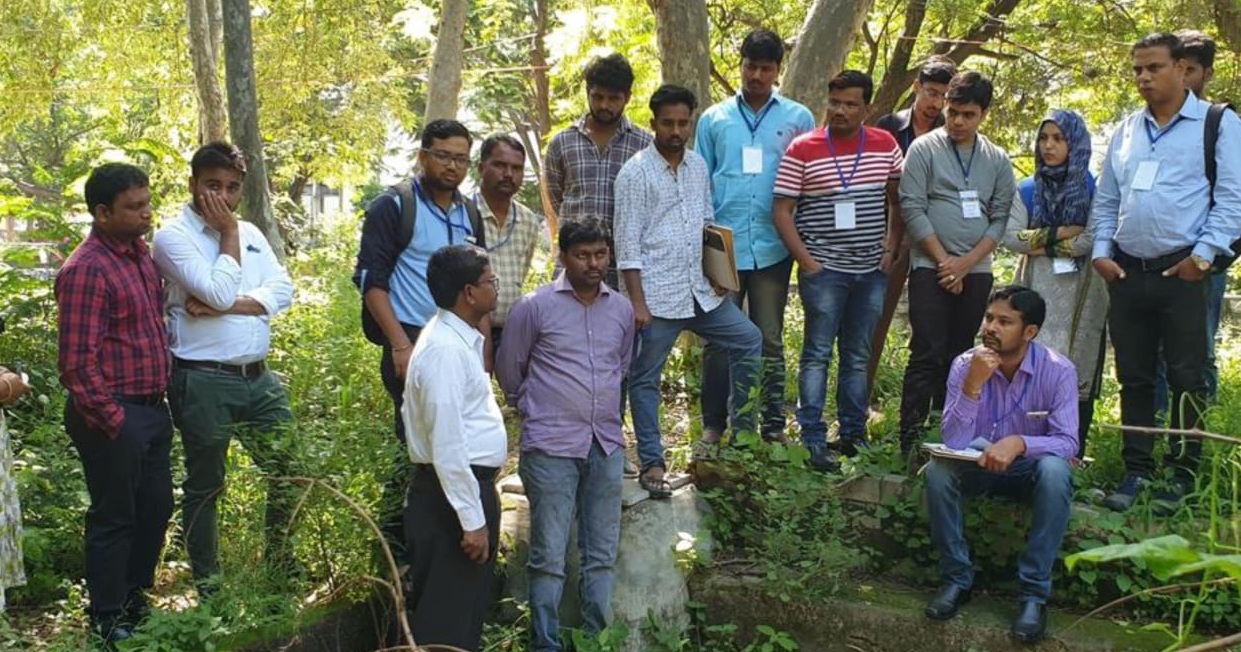
Capacity Building of Nature Stewards - An important component of the project is developing a network of trained Nature Stewards and Biodiversity Champions. Nature Stewards include – Students, Teachers, Community members, Self-Help Groups, Youth groups, Local volunteers, Nature enthusiasts, Local institutions and Community organisations.
Capacity Building Topics - Training can include - Understanding local biodiversity, Native trees and plants, Tree identification, Tree care and monitoring, Habitat restoration, Bird identification, Bird habitat conservation, Butterfly identification, Bee and pollinator awareness, Bee flora and pollinator gardens, Biodiversity survey methods, Citizen Science, Field observation techniques, Species documentation, Biodiversity mapping, Data collection and recording, Climate change and biodiversity, Community conservation, Developing local biodiversity action plans and Monitoring and documenting conservation activities
Nature Stewards can become local knowledge partners who connect schools, families, communities, scientists, conservation practitioners and local institutions.
Biodiversity Action Projects
The project encourages participants to move from knowledge to positive actions through small, achievable and locally relevant activities.
Trees and Plants
Project activities include - Adopt a native tree, Map trees in the neighbourhood, Start a native plant garden, Establish a school tree register, Monitor planted trees, Create a native tree nursery, Conduct a tree identification walk and Restore a green space.
Birds
Project activities include - Conduct a neighbourhood bird survey, Create a school bird checklist, Map bird habitats, Protect nesting trees, Create bird-friendly gardens, Record seasonal bird changes, Conduct bird-watching programmes and Document local bird species.
Bees and Butterflies
Project activities include - Create a pollinator garden, Establish a Bee Flora Garden, Create a butterfly garden, Plant flowering native species, Identify butterfly host plants, Monitor pollinator visits, Record flowering seasons and Conduct a local butterfly survey.
Habitats
Project activities include - Map local habitats, Identify biodiversity-rich areas, Restore habitat patches, Protect natural vegetation, Create small biodiversity corridors, Develop school biodiversity zones, Improve habitat around suitable community spaces and Establish nature-learning areas.
Citizen Science
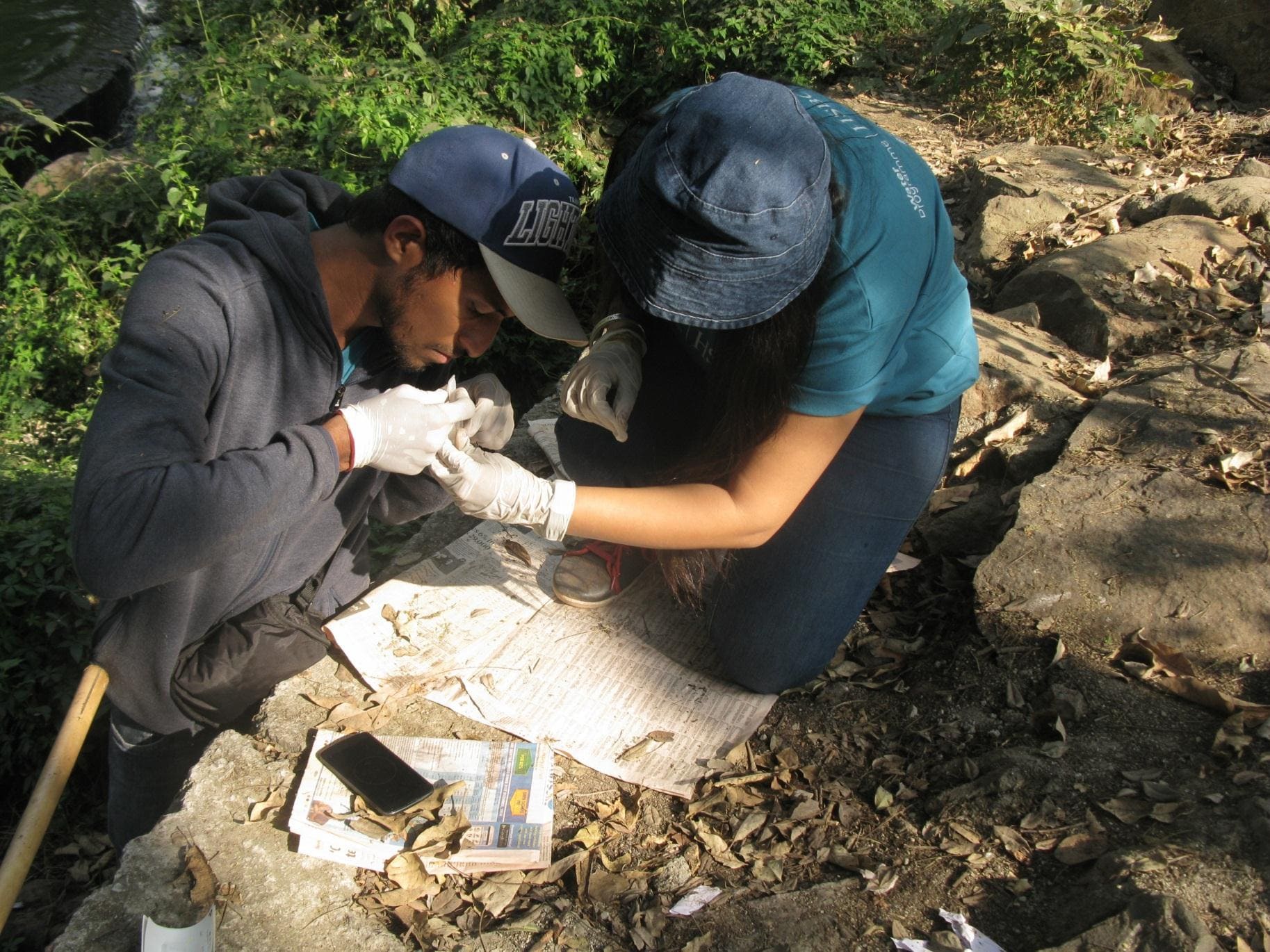
Project activities include - Conduct seasonal biodiversity surveys, Record trees, birds and butterflies, Photograph and document species, Map biodiversity observations, Record flowering patterns, Monitor pollinator activity, Develop school biodiversity databases and Share observations with scientists and conservation organisations
.jpg)
Climate Resilience and Biodiversity
Climate change is creating new challenges for biodiversity. The project encourages communities to understand that healthy biodiversity and climate resilience are closely connected.
- Native trees and vegetation can provide shade and help reduce local heat.
- Healthy soils and vegetation can support water retention and reduce erosion.
- Pollinators support ecological processes and food systems.
- Diverse habitats can provide greater opportunities for species to adapt to environmental changes.
- Green spaces can contribute to healthier and more liveable communities.
The project promotes biodiversity conservation as both an environmental responsibility and a climate-resilience strategy. Communities can develop simple Climate-Resilient Biodiversity Action Plans that may include - Planting locally suitable native species, Restoring habitats, Creating pollinator habitats, Protecting bird habitats, Increasing vegetation diversity, Connecting fragmented green spaces, Monitoring seasonal changes, Documenting biodiversity changes, Supporting nature-based solutions and Strengthening community stewardship.
Project Objectives
The project aims to:
- Build awareness and understanding of biodiversity and healthy ecosystems.
- Develop knowledge about native trees, plants, birds, bees, butterflies and pollinators.
- Promote the conservation and restoration of local habitats.
- Encourage native tree plantation and long-term tree stewardship.
- Create bird-friendly habitats and encourage bird conservation.
- Promote bee and butterfly conservation.
- Establish Bee Flora Gardens, Butterfly Gardens and Pollinator Gardens.
- Develop field-based biodiversity learning opportunities.
- Promote Citizen Science and STEM learning.
- Build the capacity of students, teachers, Nature Stewards, Self-Help Groups and community members.
- Encourage communities to document and monitor local biodiversity.
- Promote simple, achievable and locally relevant conservation actions.
- Increase understanding of climate change impacts on biodiversity.
- Promote nature-based approaches to climate resilience.
- Encourage protection of existing natural habitats and mature trees.
- Develop community engagement and long-term biodiversity stewardship.
- Inspire individuals and communities to take small positive steps towards a healthier natural environment.
Small Positive Steps Towards Healthy Biodiversity
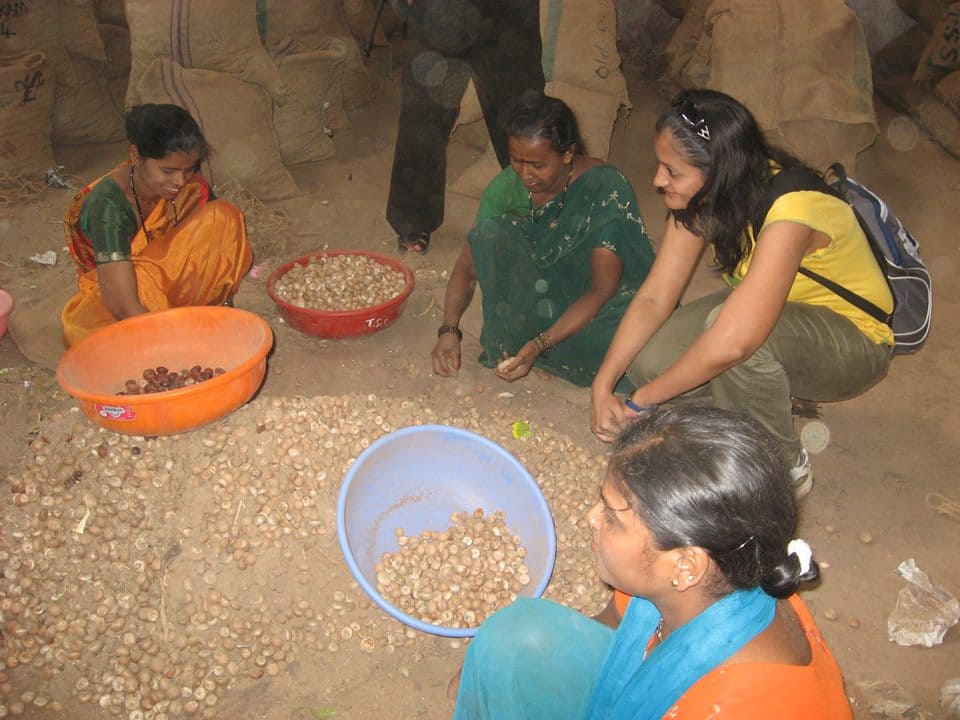
Everyone can contribute to biodiversity conservation through simple actions. Examples include - Plant and care for suitable native plants, Create a small pollinator-friendly garden, Grow flowering plants for bees and butterflies, Plant butterfly host plants, Keep natural vegetation where appropriate, Observe and record birds, Observe and record butterflies and bees, Avoid disturbing nests and wildlife, Protect local habitats, Reduce pollution and litter, Avoid unnecessary disturbance to natural areas, Participate in biodiversity surveys, Adopt and monitor a tree, Teach children about local nature, Join community plantation and habitat restoration activities, Share biodiversity observations through Citizen Science and Encourage schools and communities to create biodiversity learning spaces.
Small actions, when undertaken collectively and maintained over time, can create a network of habitats across communities.
From Plantation Drives to Habitat Stewardship
The project seeks to transform the traditional concept of a plantation drive. The project promotes measurement of - Trees planted → Trees growing → Habitats created → Birds and pollinators returning → Biodiversity documented → Communities engaged → Nature protected
This approach places emphasis on quality, ecological value, learning and long-term stewardship. A successful biodiversity programme is a continuing process of planting, nurturing, observing, restoring, documenting and protecting nature.
Expected Outcomes
The project is expected to contribute to:
- Increased biodiversity awareness among students and communities.
- Greater understanding of local species and ecosystems.
- Increased native tree plantation, maintenance and care.
- Improved community stewardship of trees and green spaces.
- Creation of bird-friendly habitats.
- Increased awareness and habitat support for bees and butterflies.
- Establishment of Bee Flora and Pollinator Gardens.
- Improved biodiversity observation and documentation.
- Increased participation in Citizen Science.
- Development of Nature Stewards and Biodiversity Champions.
- Increased field-based environmental learning.
- Greater student participation in STEM and Citizen Science.
- Development of community biodiversity action projects.
- Increased understanding of biodiversity and climate change.
- Strengthened community participation in nature conservation.
- Creation of locally relevant biodiversity data and knowledge.
- Long-term community stewardship of restored and created habitats.
A Community Vision for Biodiversity
The project envisions communities where trees are taken care of, native plants are valued, birds have safe habitats, bees and butterflies have flowers throughout the seasons, children learn directly from nature, and citizen scientists become active observers and stewards of biodiversity.
Schools, communities, local institutions, Self-Help Groups, environmental organisations and conservation practitioners can work together to create a network of small and meaningful habitats
Each tree protected, each native plant grown, each bird recorded, each butterfly observed, each pollinator garden created and each habitat restored can contribute to nature conservation. Healthy Biodiversity means Healthy Nature, Healthy Communities and a More Climate-Resilient Future.
Contact Us
For information on Project Healthy Biodiversity and Nature, educational resources, Citizen Science initiatives, biodiversity surveys, community conservation programmes, workshops, training and naturebased action programmes, please contact: Earthwatch Institute India at [email protected]