

Project Healthy Air
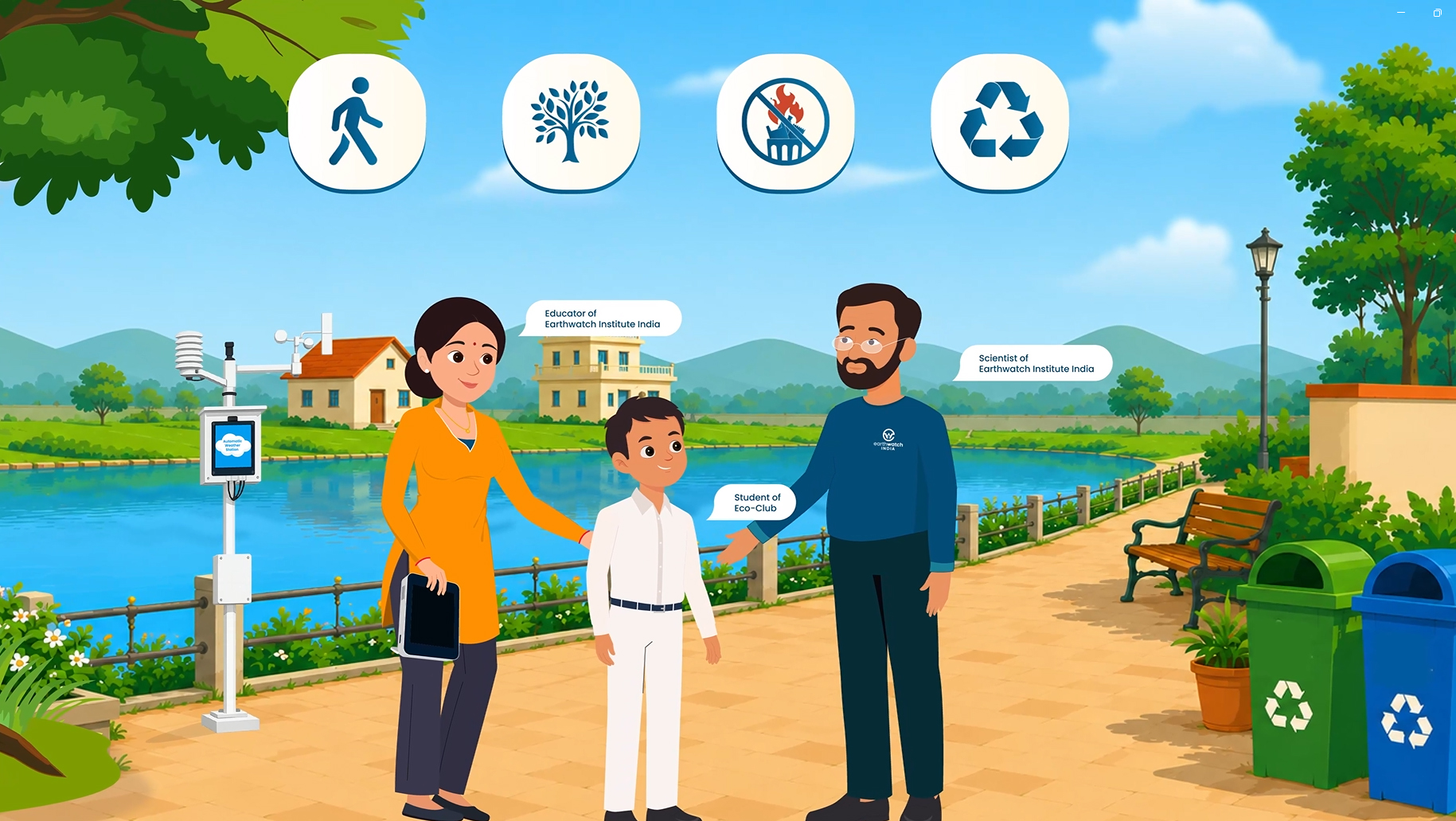
Project Healthy Air aims to build a science-based understanding of air quality. The project brings new thinking and a fresh approach, in which students and teachers, as Citizen Scientists, observe and monitor air quality data, scientifically analyse it, understand and interpret air quality information, and facilitate data visualisation and analysis with scientists and experts. The project promotes scientific temper amongst students, creating an important shift in how we learn about air quality. Students learn to take small positive steps to improve air quality.
Alignment with National Missions and SDGs
We aim at aligning Project Healthy Air with the National Missions in India, such as the National Clean Air Programme and the Swachh Bharat Mission. Project Healthy Air also aims to explore convergence with Sustainable Development Goals SDG 3 (Good Health and Well-Being), SDG 11 (Sustainable Cities and Communities), and SDG 13 (Climate Action).
Science-based Air Quality Programme
Engage I Inform I Inspire
Goal
To promote science-based air quality awareness amongst students and mobilize their support for improving air quality
Objectives:
- Promote air quality understanding and appreciation amongst students and teachers
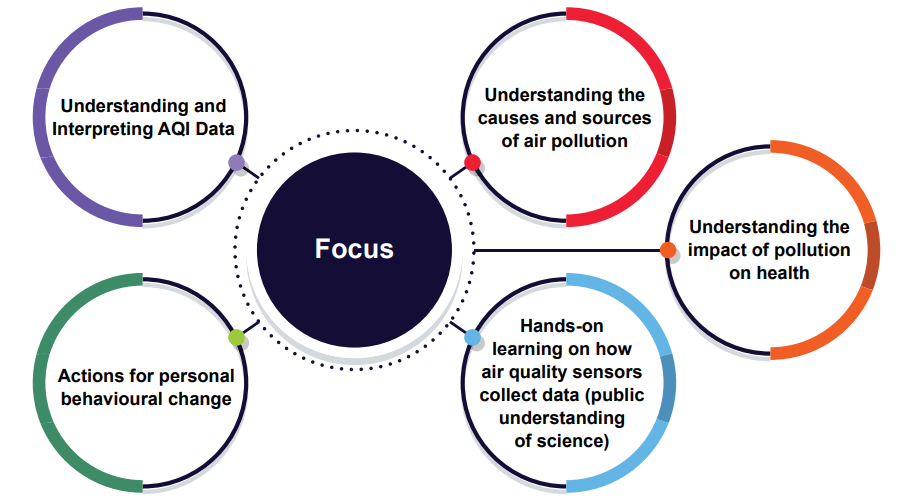
- Understanding the causes and sources of air pollution
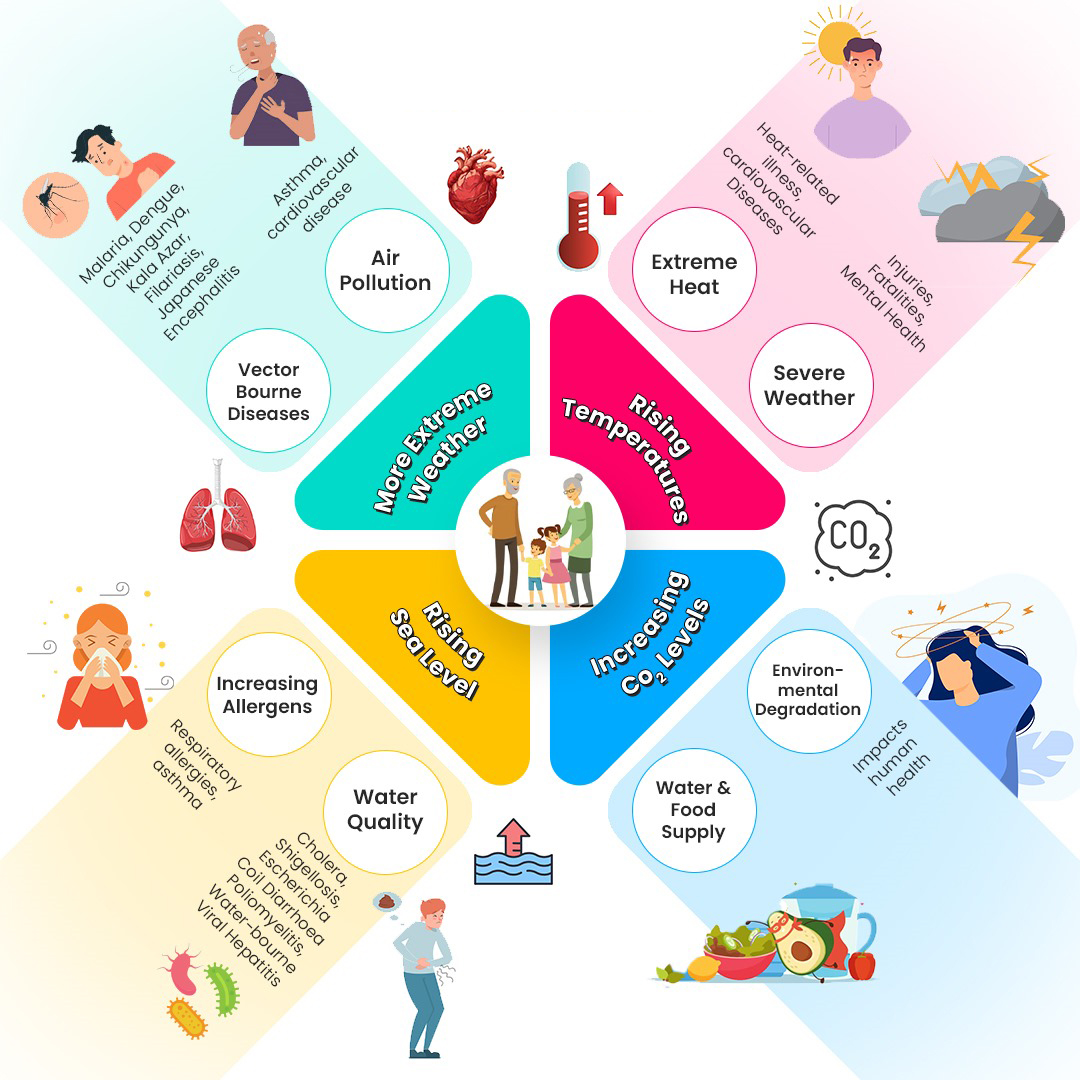
- Understanding the impact of pollution on health
- Create students’ interest in accessing real-time air quality information and Air Quality Index (AQI)
- Promote small positive steps to help improve air quality
Programme Components
How to make learning interesting for students
The programme promotes hands-on science and experiential learning initiatives to develop students’ interest in accessing real-time air quality information.
Understanding the impact of pollution on health
Students learn about the possible short-term and long-term impacts of air pollution on human health
Learning about what we can do to help improve air quality – indoor and outdoor
Students learn about small positive steps to help improve air quality and reduce exposure to pollution
Learning Tools developed to support Community Science Projects
- Students get access to simple and easy-to-use learning resources and digital tools to learn about air quality
- We have developed interesting and engaging learning material grounded in science to connect with various stakeholders.
- Experiential learning workshops and training programs are organized to develop a long-term interest in air quality.

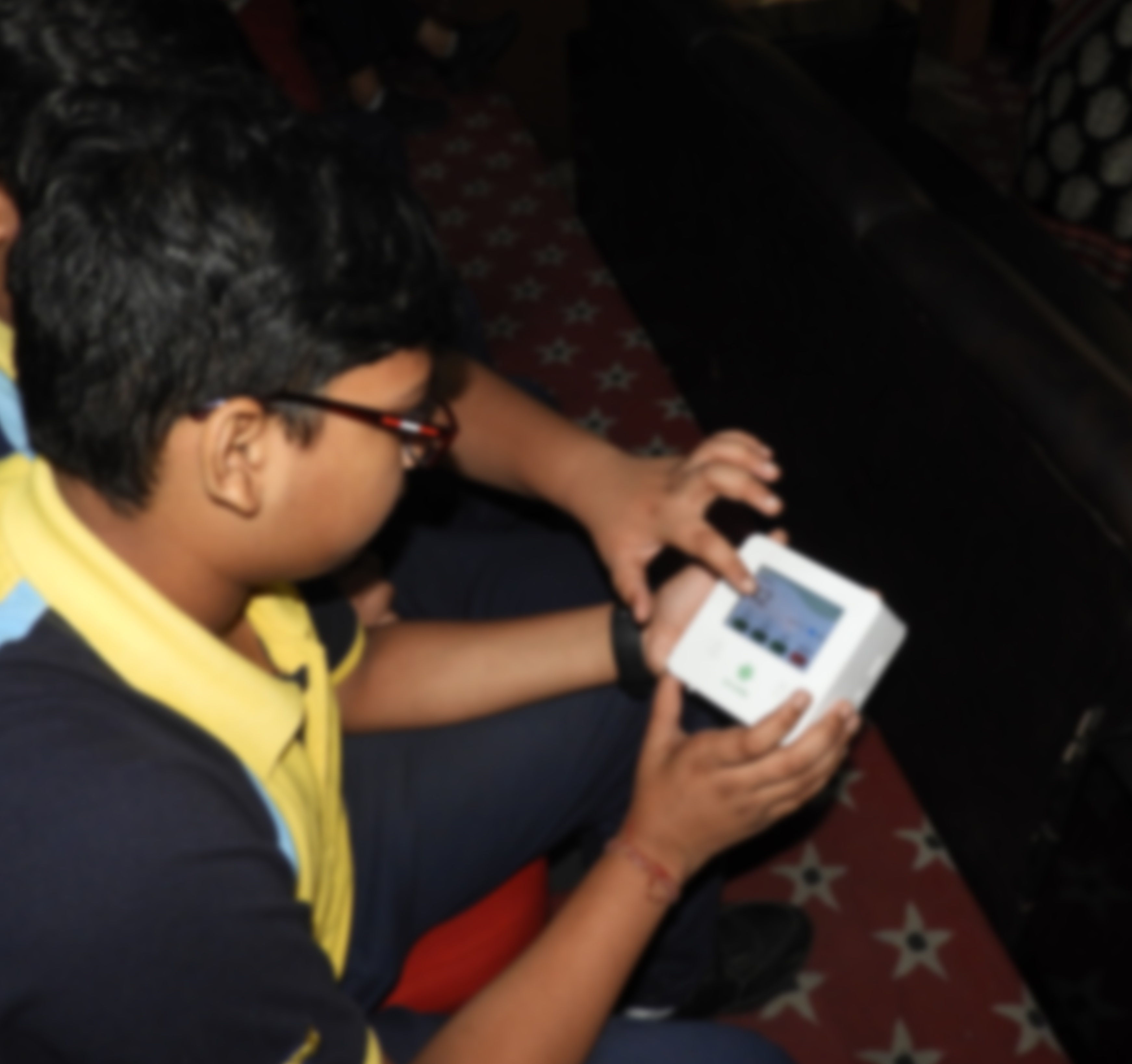
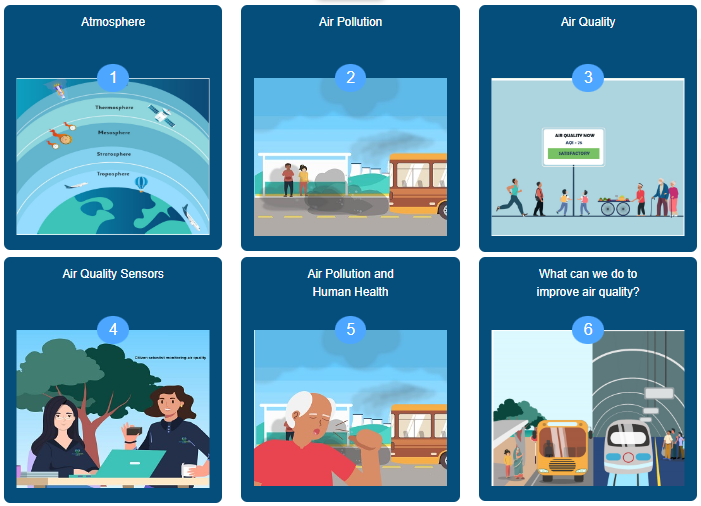
Educational and Interactive Learning Resources
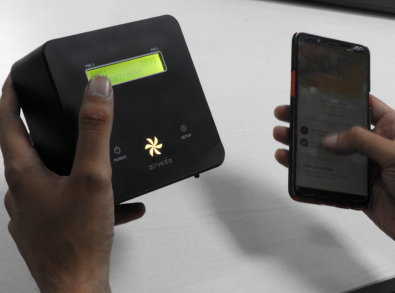
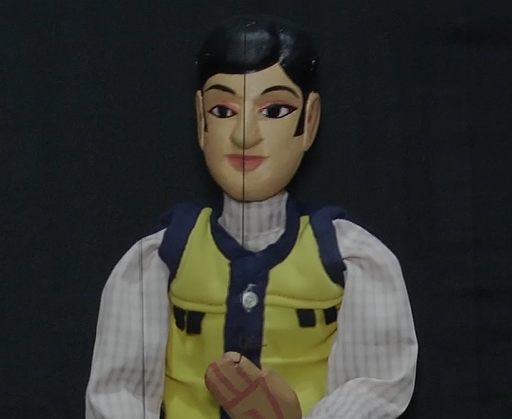
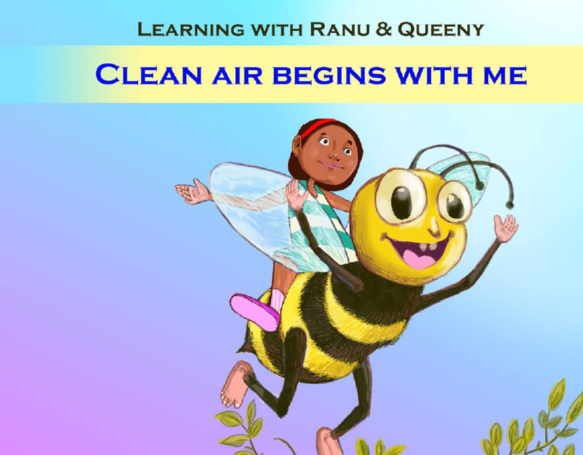
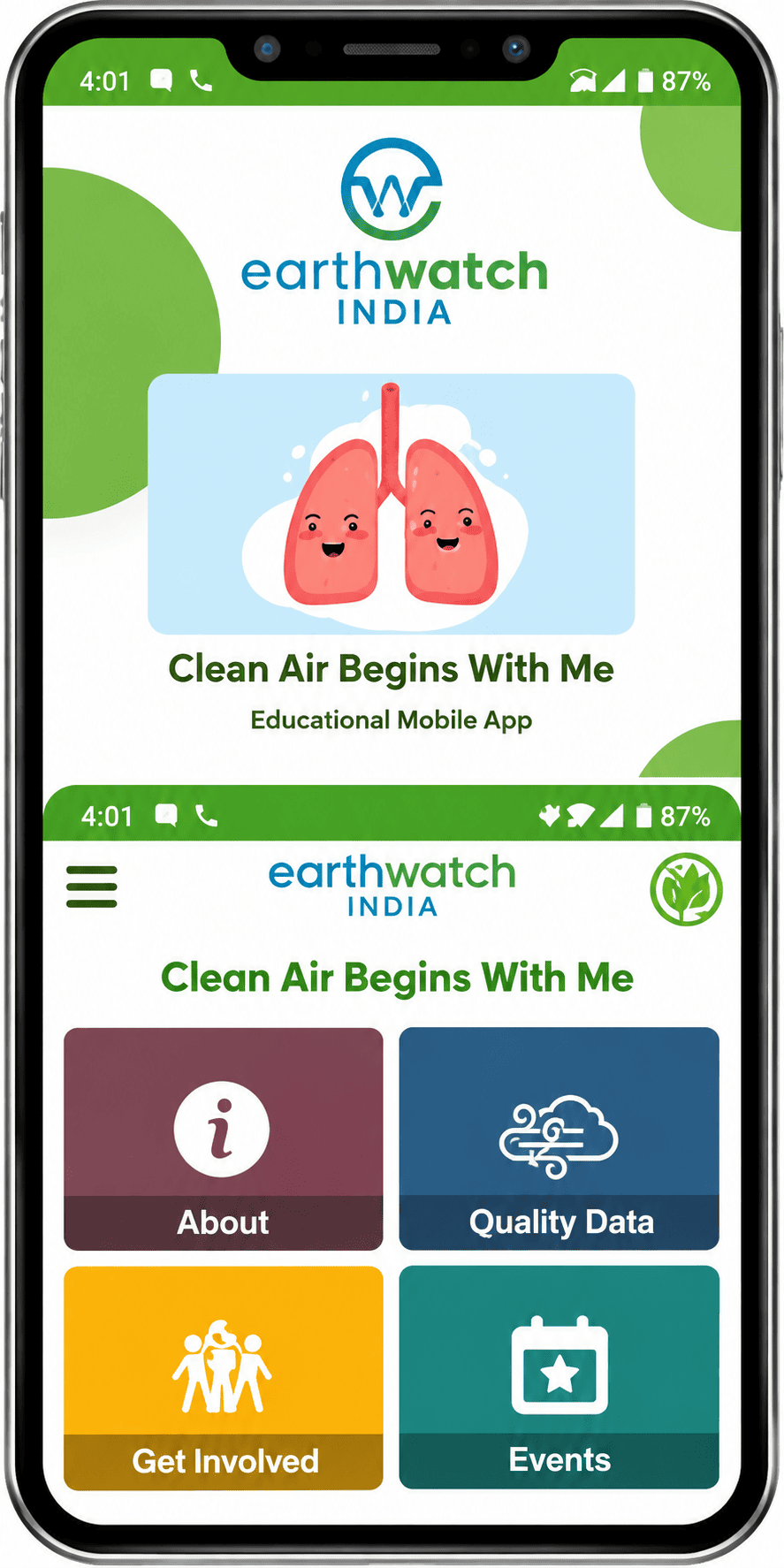
Project Healthy Air is supported by Educational Modules, Interactive Learning Resources, Science-based Comic Books, Educational Puppet Programmes, Air Quality Monitors and Digital Technology Tools. Training and workshops are conducted for students and teachers using learning resources and digital technology tools.
Clean Air Begins With Me
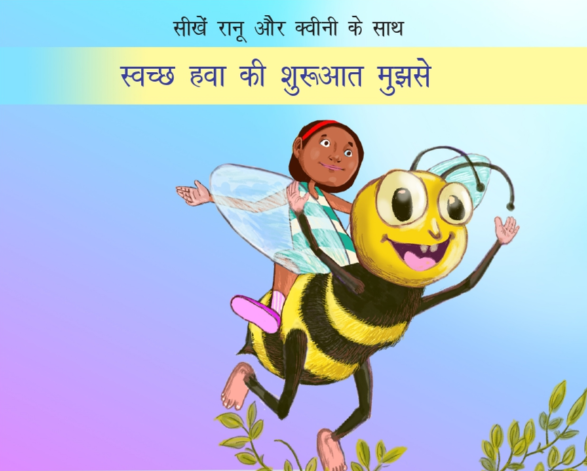
Puppet Programme on Air Quality
Clean Air Begins With Me
Citizen Science and STEM Education
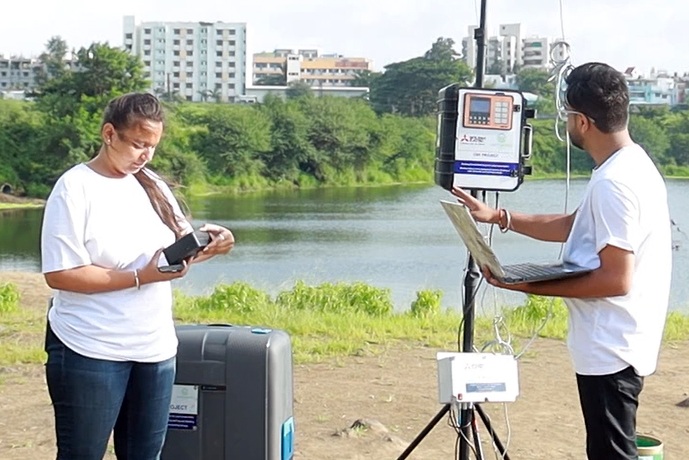
Making science, technology, engineering, and mathematics more engaging, practical, and relevant for students and teachers. Through hands-on activities such as air quality monitoring, data collection, observation, and analysis, participants gain real-world scientific learning experiences while developing critical thinking, problem-solving, and environmental awareness. The project encourages active learning and inspires young people to become informed and responsible environmental stewards.
As a Citizen Scientist, you can measure the following data sets using an educational air quality sensor: With Observation Sheet
| Data Set 1 | ||||||
|---|---|---|---|---|---|---|
| Date | Time | Particulate Matter PM2.5 | PM10 | Carbon Dioxide (CO2) | Temperature | Humidity |
| - | - | - | - | - | - | - |
| Data Set 2 | ||||||
|---|---|---|---|---|---|---|
| Date | Time | Particulate Matter PM 1 | Ozone (O3) | Carbon Monoxide (CO) | Nitrogen Dioxide (NO2) | Nitrogen Oxide (NO) |
| - | - | - | - | - | - | - |
| Sulfur | Dioxide (SO2) | Methane (CH4) | Benzene (C6H6) | Volatile Organic Compounds (VOCs) | ||
| - | - | - | - | - | - | - |
| Mercury (Hg) | Ammonia (NH3) | UV Radiation | Rainfall | |||
| - | - | - | - | - | - | - |
Community-Led Projects for Healthy Air
Project Healthy Air encourages simple, practical, and community-led action programmes that help improve air quality and environmental health.
These initiatives include:
- Community tree plantation and native species programme
- School & college green campus programme
- Waste segregation and recycling programme
- Household composting promotion programme
- Urban gardening and terrace gardening
- Seed ball preparation & plantation programme
- Plastic-reduction and say-no-to-single-use-plastic
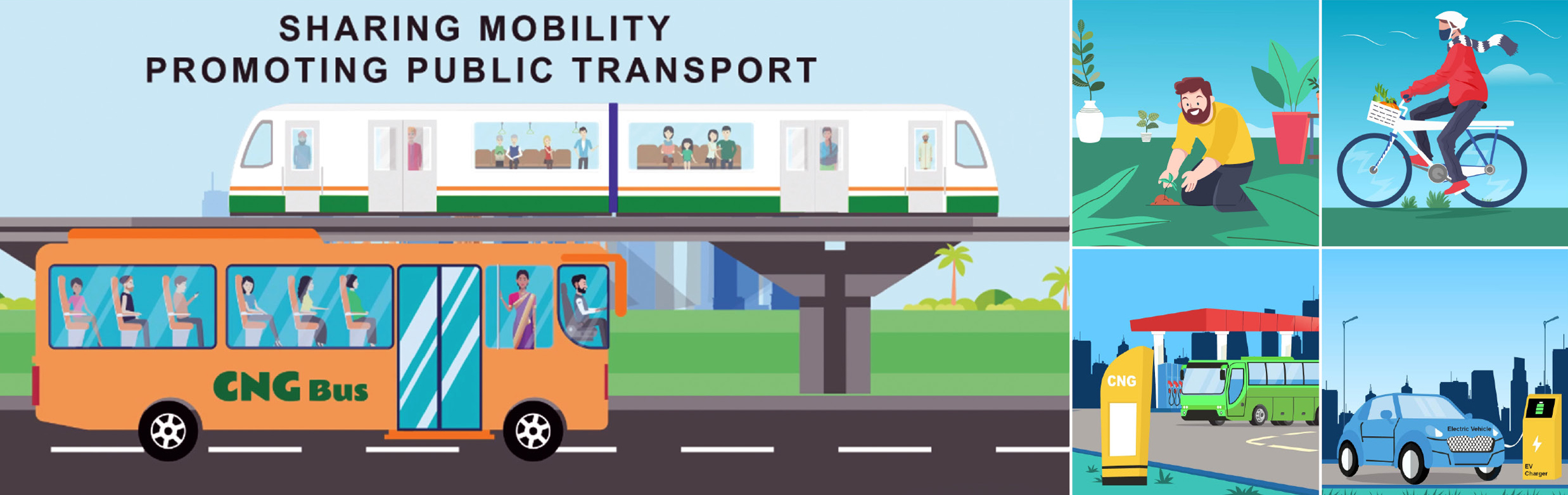
- Green transport awareness programmes
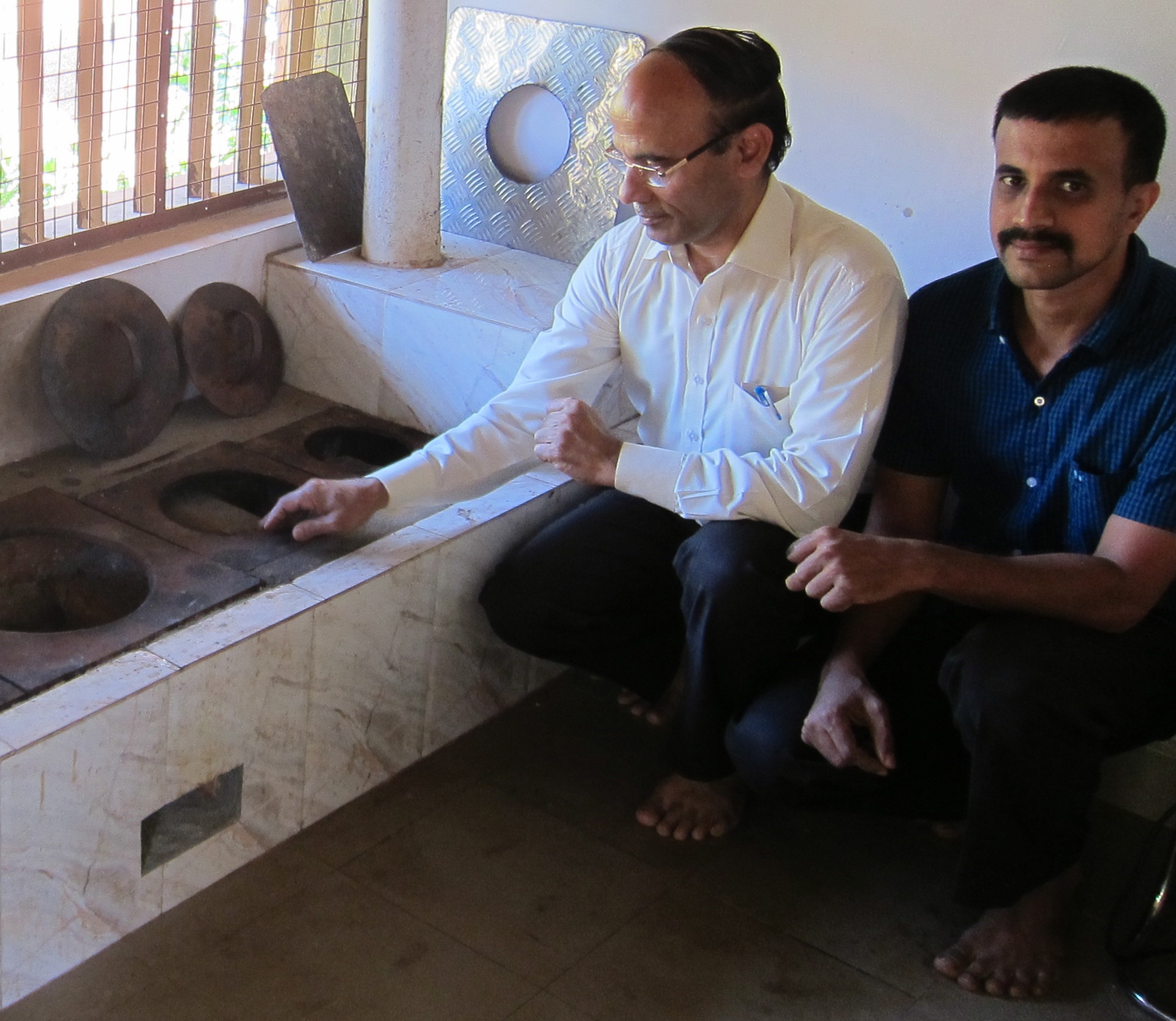
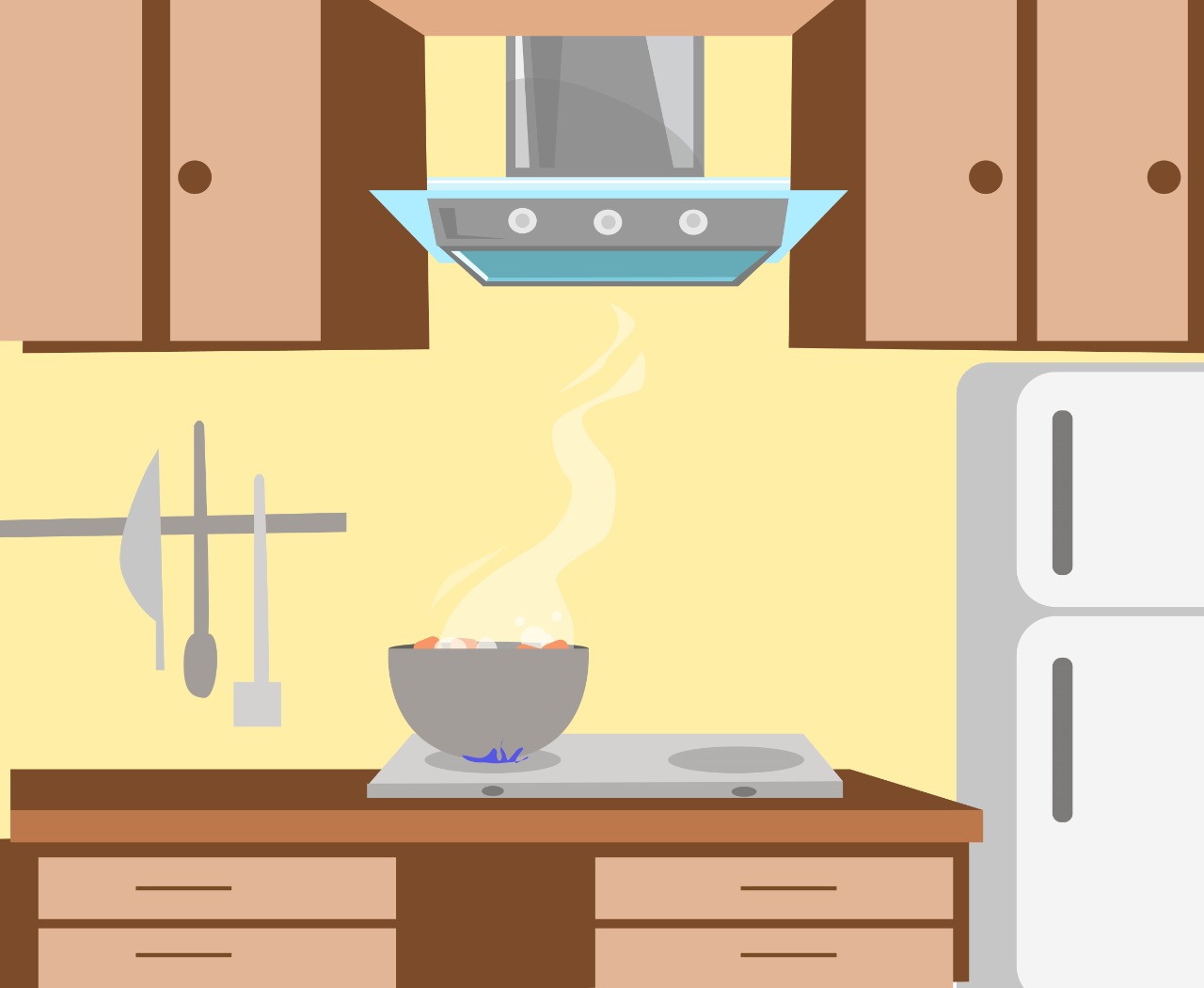
- Clean cooking solutions and ventilation practices
- Indoor air quality programme
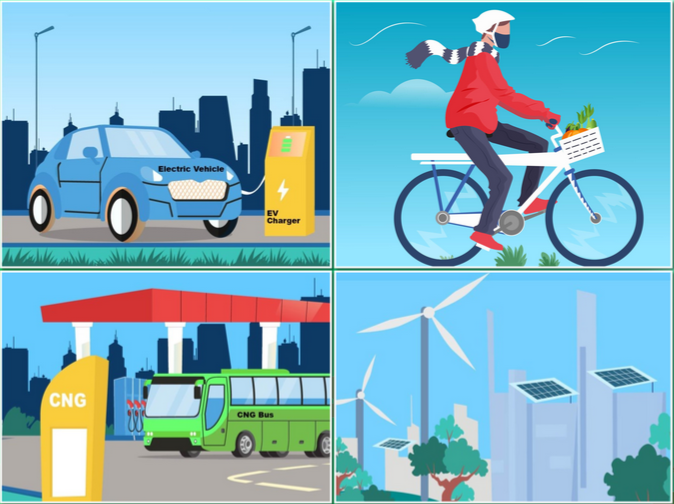
- Choosing public transport, carpooling, cycling, or walking whenever possible
- Avoiding unnecessary vehicle idling and maintaining vehicles regularly
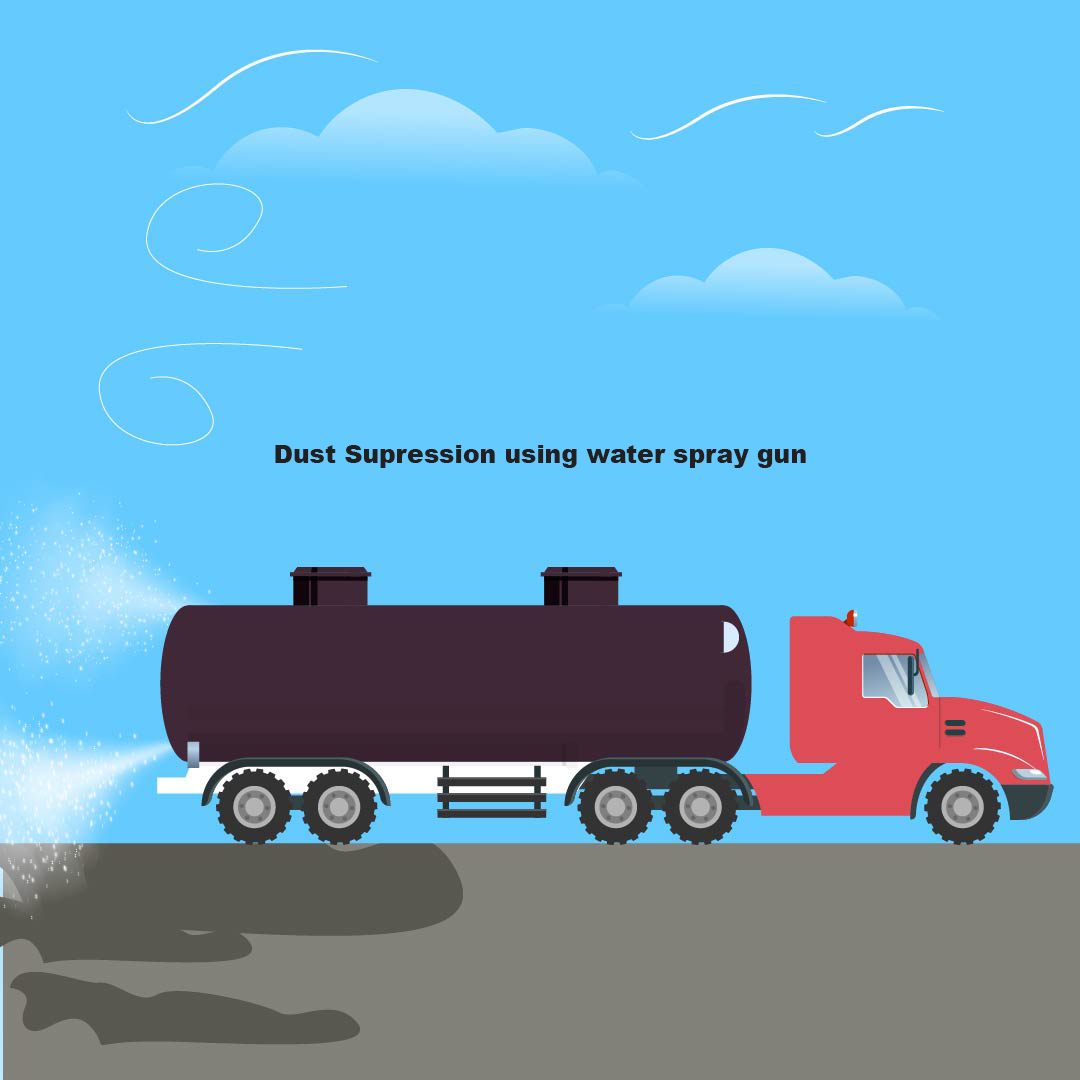
- Keep homes and surroundings dust-free, avoid open dumping and promote clean streets
- Education and awareness regarding the harmful effects of open waste burning
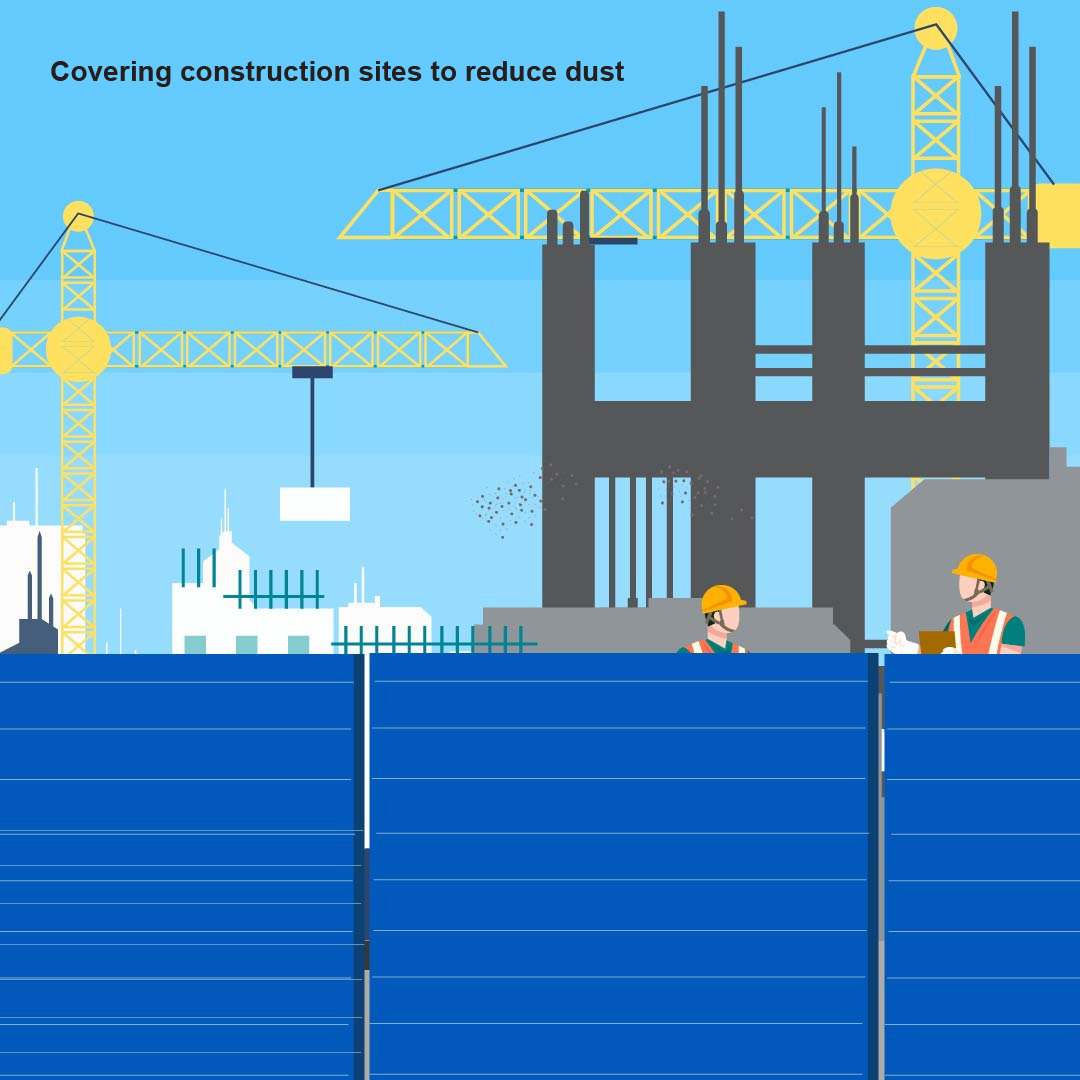
- Clean-up drives in neighbourhoods and public spaces, and dust reduction
- Healthy air education through citizen science programmes and experiments
- Support policies and initiatives that promote healthy air
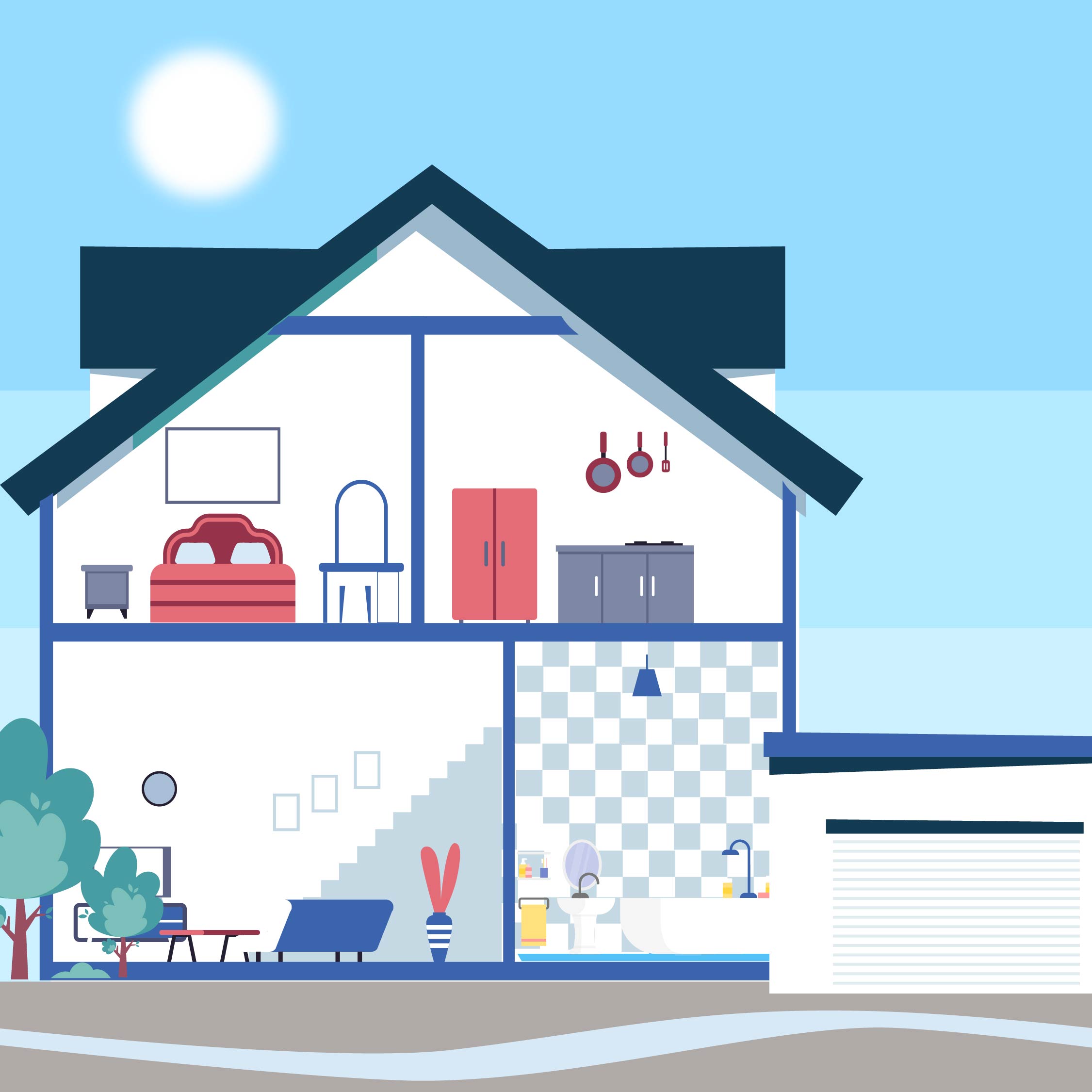
Improve Indoor Air Quality
Small Positive Steps Towards Healthy Air
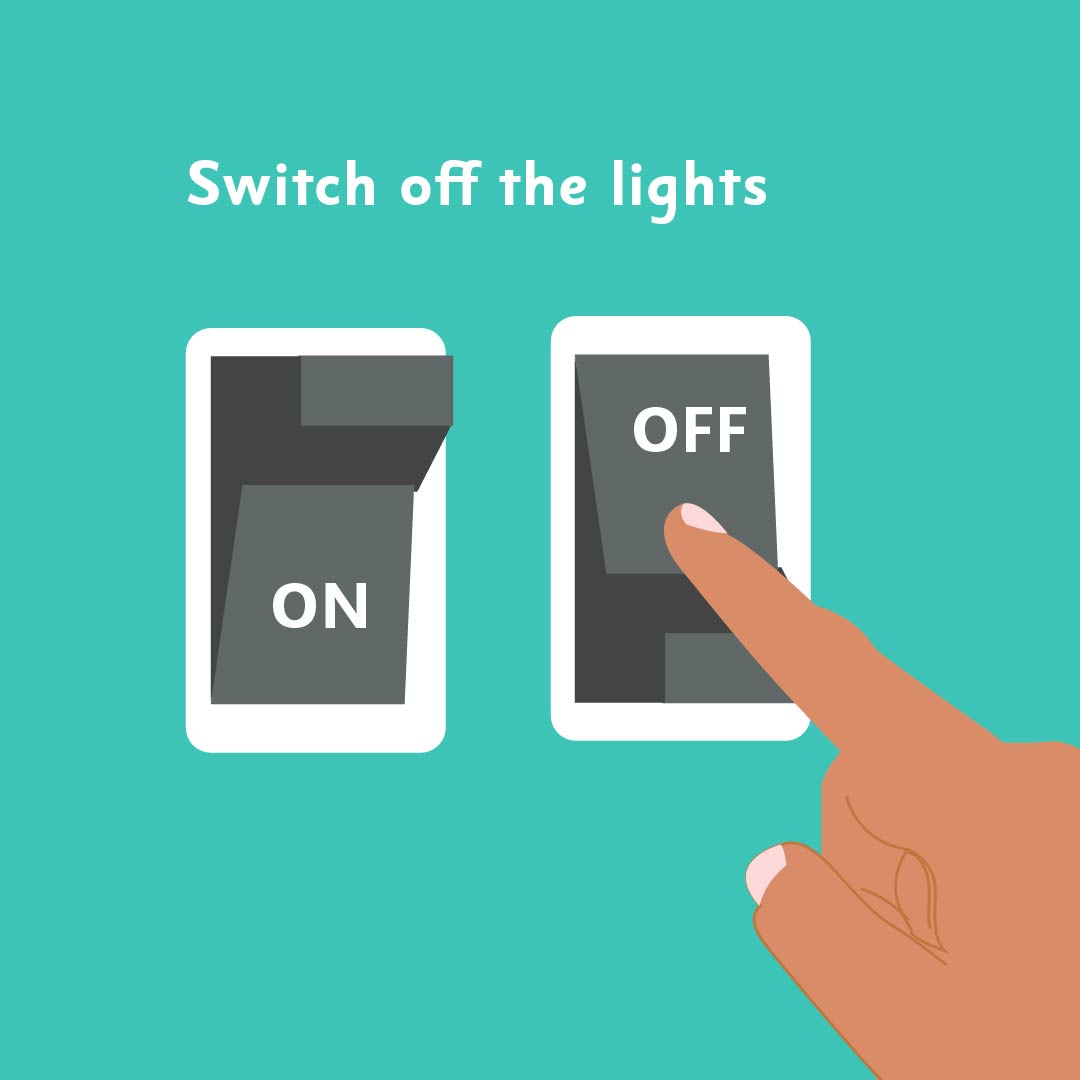
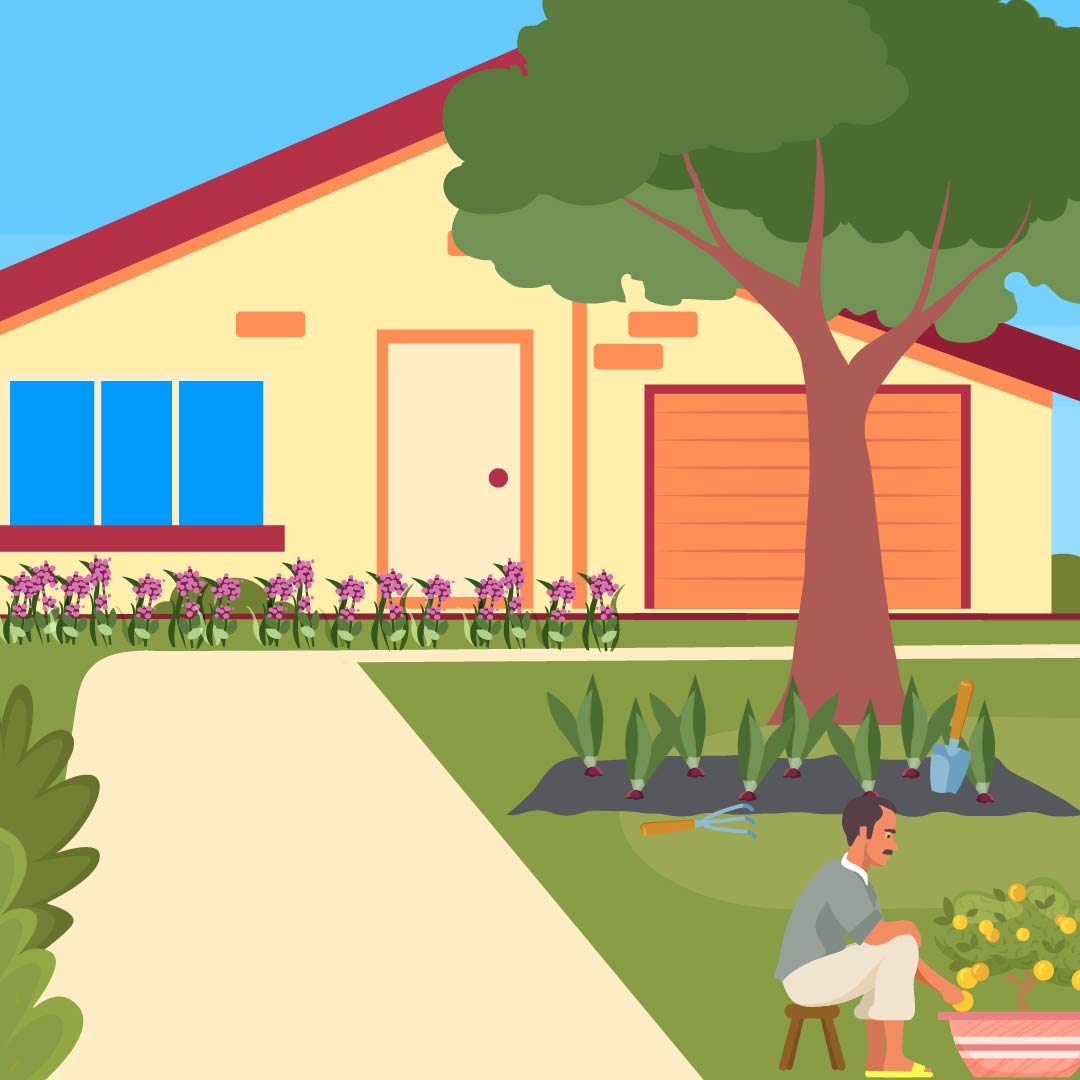
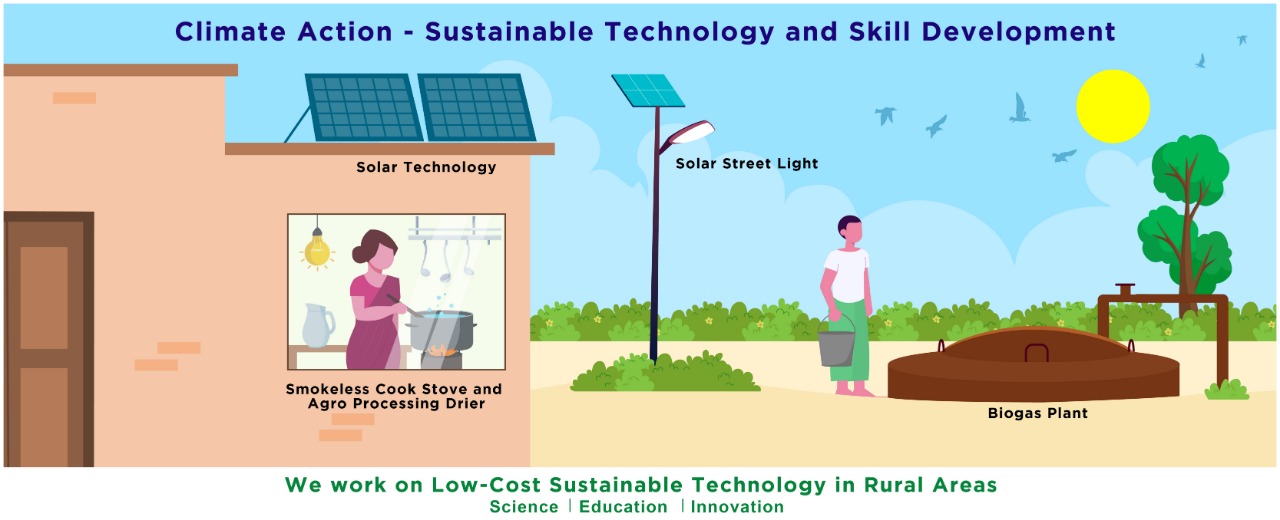
All of us can contribute towards positive change through small but meaningful actions in daily life. support recycling and composting, adopt cleaner lifestyles, save energy, and plant and care for trees and green spaces. Schools and communities can promote citizen science programmes for air-quality observation and analysis in collaboration with scientists and experts, and identify practical local solutions. Through these small positive actions, communities can contribute towards cleaner air, healthier environments, climate action, and more sustainable and resilient cities and neighbourhoods.
Contact Us
For information on Project Healthy Air and its educational and learning resources, citizen science initiatives, workshops and training programmes, interactive learning portal, digital technology tools, inspiring solutions, and small positive steps for cleaner air and healthier communities, please contact Earthwatch Institute India at [email protected]